GET FREE CONSULTATION !

CAPTCHA
This question is for testing whether or not you are a human visitor and to prevent automated spam submissions.

Plastic Surgery

What are the do's and don'ts after a tummy tuck in Istanbul ?

What are the do's and don'ts after a tummy tuck? Don't Be Inactive, but Be Careful - Exercise helps prevent blood clots, so try to get up and walk around the room every hour. However, avoid activities that strain you, and avoid heavy lifting, and prolonged standing for the first week. You won't be able to lift weights, lift your kids, or do crunches for several weeks
Who doesn’t wish a flat-board stomach ?
A belly that belies gravity and is as toned as the best athletes is almost every one’s most cherished dream. This, however, is a wish that rarely comes true for most unless you put in relentless hours of sweating at the gym.
A pot belly not only mars your personality but also irreparably damages self confidence, especially when you cross a certain age. You would do well to opt for an aesthetic tummy tuck procedure if you-
Have deposits of unwanted fat in and around your abdominal region
Suffer from some sort of eating or weight disorder either congenital or hereditary in origin
Have sagging tummy skin that just won’t go away
Stubborn abdominal concentration of fats reluctant to melt even after putting in the best of efforts
Any and all of these signs indicate a tummy tuck surgery that would alleviate all your woes.
  • What are the steps of a tummy tuck procedure?
A tummy tuck procedure includes the following steps:
  • Step 1 - Anesthesia
Medications are administered for your comfort during the surgical procedures. The choices include intravenous sedation and general anesthesia. Your doctor will recommend the best choice for you.
  • Step 2 – The incision
A full tummy tuck requires a horizontally-oriented incision in the area between the pubic hairline and belly button.
The shape and length of the incision will be determined by the amount of excess skin. Once the abdominal skin is lifted, the underlying weakened abdominal muscles are repaired.
A second incision around the navel may be necessary to remove excess skin in the upper abdomen.
Tummy tuck incision front abdomen sutures
The upper abdominal skin is pulled down like a window shade. The excess skin is trimmed and the remaining skin is sutured together. A new opening for the belly button is created. The belly button is popped through to the surface and sutured into position.
Tummy tuck side before and after
  • Step 3 – Closing the incisions
Sutures, skin adhesives, tapes or clips close the skin incisions.
  • Step 4 – See the results
Your tummy tuck will result in a flatter, firmer abdominal contour that is more proportionate with your body type and weight.
A tummy tuck is a cosmetic surgical procedure to improve the appearance of the abdomen.
During a tummy tuck — also known as abdominoplasty — excess skin and fat are removed from the abdomen. Connective tissue in the abdomen (fascia) usually is tightened with sutures as well. The remaining skin is then repositioned to create a more toned look.
You might choose to have a tummy tuck if you have excess fat or skin around the area of your bellybutton or a weak lower abdominal wall. A tummy tuck can also boost your body image.
Why it's done
There are a number of reasons you might have excess fat, poor elasticity of the skin or weakened connective tissue in your abdomen. These include:
  • Significant changes in weight
  • Pregnancy
  • Abdominal surgery, such as a C-section
  • Aging
  • Your natural body type
A tummy tuck can remove loose, excess skin and fat, and tighten weak fascia. A tummy tuck can also remove stretch marks and excess skin in the lower abdomen below the bellybutton. However, a tummy tuck won't correct stretch marks outside of this area.
If you've previously had a C-section, your plastic surgeon might be able to incorporate your existing C-section scar into your tummy tuck scar.
A tummy tuck can also be done in combination with other body contouring cosmetic procedures, such as breast surgery. If you've had fat removed from your abdomen (liposuction), you may decide to have a tummy tuck because liposuction removes tissue just under the skin and fat but not any excess skin.
A tummy tuck isn't for everyone. Your doctor might caution against a tummy tuck if you:
  • Plan to lose a significant amount of weight
  • Might consider future pregnancy
  • Have a severe chronic condition, such as heart disease or diabetes
  • Have a body mass index that's greater than 30
  • Are a smoker
  • Had a previous abdominal surgery that caused significant scar tissue
, Tummy Tuck Surgery Treatments in Turkey, Tummy Tuck Surgery Clinic in Istanbul, Tummy Tuck Surgery Treatment Center in Turkey

Can I drink coffee before tummy tuck in Istanbul ?

Can I drink coffee before tummy tuck? Drink a lot of water, i.e., 8 to 10 glasses every day. Soda, tea, coffee, and other beverages can be added, but aren't included in that count, so think water, water, water!
Who doesn’t wish a flat-board stomach ?
A belly that belies gravity and is as toned as the best athletes is almost every one’s most cherished dream. This, however, is a wish that rarely comes true for most unless you put in relentless hours of sweating at the gym.
A pot belly not only mars your personality but also irreparably damages self confidence, especially when you cross a certain age. You would do well to opt for an aesthetic tummy tuck procedure if you-
Have deposits of unwanted fat in and around your abdominal region
Suffer from some sort of eating or weight disorder either congenital or hereditary in origin
Have sagging tummy skin that just won’t go away
Stubborn abdominal concentration of fats reluctant to melt even after putting in the best of efforts
Any and all of these signs indicate a tummy tuck surgery that would alleviate all your woes.
  • What are the steps of a tummy tuck procedure?
A tummy tuck procedure includes the following steps:
  • Step 1 - Anesthesia
Medications are administered for your comfort during the surgical procedures. The choices include intravenous sedation and general anesthesia. Your doctor will recommend the best choice for you.
  • Step 2 – The incision
A full tummy tuck requires a horizontally-oriented incision in the area between the pubic hairline and belly button.
The shape and length of the incision will be determined by the amount of excess skin. Once the abdominal skin is lifted, the underlying weakened abdominal muscles are repaired.
A second incision around the navel may be necessary to remove excess skin in the upper abdomen.
Tummy tuck incision front abdomen sutures
The upper abdominal skin is pulled down like a window shade. The excess skin is trimmed and the remaining skin is sutured together. A new opening for the belly button is created. The belly button is popped through to the surface and sutured into position.
Tummy tuck side before and after
  • Step 3 – Closing the incisions
Sutures, skin adhesives, tapes or clips close the skin incisions.
  • Step 4 – See the results
Your tummy tuck will result in a flatter, firmer abdominal contour that is more proportionate with your body type and weight.
A tummy tuck is a cosmetic surgical procedure to improve the appearance of the abdomen.
During a tummy tuck — also known as abdominoplasty — excess skin and fat are removed from the abdomen. Connective tissue in the abdomen (fascia) usually is tightened with sutures as well. The remaining skin is then repositioned to create a more toned look.
You might choose to have a tummy tuck if you have excess fat or skin around the area of your bellybutton or a weak lower abdominal wall. A tummy tuck can also boost your body image.
Why it's done
There are a number of reasons you might have excess fat, poor elasticity of the skin or weakened connective tissue in your abdomen. These include:
  • Significant changes in weight
  • Pregnancy
  • Abdominal surgery, such as a C-section
  • Aging
  • Your natural body type
A tummy tuck can remove loose, excess skin and fat, and tighten weak fascia. A tummy tuck can also remove stretch marks and excess skin in the lower abdomen below the bellybutton. However, a tummy tuck won't correct stretch marks outside of this area.
If you've previously had a C-section, your plastic surgeon might be able to incorporate your existing C-section scar into your tummy tuck scar.
A tummy tuck can also be done in combination with other body contouring cosmetic procedures, such as breast surgery. If you've had fat removed from your abdomen (liposuction), you may decide to have a tummy tuck because liposuction removes tissue just under the skin and fat but not any excess skin.
A tummy tuck isn't for everyone. Your doctor might caution against a tummy tuck if you:
  • Plan to lose a significant amount of weight
  • Might consider future pregnancy
  • Have a severe chronic condition, such as heart disease or diabetes
  • Have a body mass index that's greater than 30
  • Are a smoker
  • Had a previous abdominal surgery that caused significant scar tissue
, Tummy Tuck Surgery Treatments in Turkey, Tummy Tuck Surgery Clinic in Istanbul, Tummy Tuck Surgery Treatment Center in Turkey

What should I do the night before my tummy tuck in Istanbul ?

What should I do the night before my tummy tuck? The Day Before Your Tummy Tuck - Drink plenty of fluids containing electrolytes (Gatorade, Smartwater, etc.) during the day. The evening before your surgery eat a high protein and low fat dinner such as a grilled chicken salad. Set out a few comfortable outfits to wear over the next several days.
Who doesn’t wish a flat-board stomach ?
A belly that belies gravity and is as toned as the best athletes is almost every one’s most cherished dream. This, however, is a wish that rarely comes true for most unless you put in relentless hours of sweating at the gym.
A pot belly not only mars your personality but also irreparably damages self confidence, especially when you cross a certain age. You would do well to opt for an aesthetic tummy tuck procedure if you-
Have deposits of unwanted fat in and around your abdominal region
Suffer from some sort of eating or weight disorder either congenital or hereditary in origin
Have sagging tummy skin that just won’t go away
Stubborn abdominal concentration of fats reluctant to melt even after putting in the best of efforts
Any and all of these signs indicate a tummy tuck surgery that would alleviate all your woes.
  • What are the steps of a tummy tuck procedure?
A tummy tuck procedure includes the following steps:
  • Step 1 - Anesthesia
Medications are administered for your comfort during the surgical procedures. The choices include intravenous sedation and general anesthesia. Your doctor will recommend the best choice for you.
  • Step 2 – The incision
A full tummy tuck requires a horizontally-oriented incision in the area between the pubic hairline and belly button.
The shape and length of the incision will be determined by the amount of excess skin. Once the abdominal skin is lifted, the underlying weakened abdominal muscles are repaired.
A second incision around the navel may be necessary to remove excess skin in the upper abdomen.
Tummy tuck incision front abdomen sutures
The upper abdominal skin is pulled down like a window shade. The excess skin is trimmed and the remaining skin is sutured together. A new opening for the belly button is created. The belly button is popped through to the surface and sutured into position.
Tummy tuck side before and after
  • Step 3 – Closing the incisions
Sutures, skin adhesives, tapes or clips close the skin incisions.
  • Step 4 – See the results
Your tummy tuck will result in a flatter, firmer abdominal contour that is more proportionate with your body type and weight.
A tummy tuck is a cosmetic surgical procedure to improve the appearance of the abdomen.
During a tummy tuck — also known as abdominoplasty — excess skin and fat are removed from the abdomen. Connective tissue in the abdomen (fascia) usually is tightened with sutures as well. The remaining skin is then repositioned to create a more toned look.
You might choose to have a tummy tuck if you have excess fat or skin around the area of your bellybutton or a weak lower abdominal wall. A tummy tuck can also boost your body image.
Why it's done
There are a number of reasons you might have excess fat, poor elasticity of the skin or weakened connective tissue in your abdomen. These include:
  • Significant changes in weight
  • Pregnancy
  • Abdominal surgery, such as a C-section
  • Aging
  • Your natural body type
A tummy tuck can remove loose, excess skin and fat, and tighten weak fascia. A tummy tuck can also remove stretch marks and excess skin in the lower abdomen below the bellybutton. However, a tummy tuck won't correct stretch marks outside of this area.
If you've previously had a C-section, your plastic surgeon might be able to incorporate your existing C-section scar into your tummy tuck scar.
A tummy tuck can also be done in combination with other body contouring cosmetic procedures, such as breast surgery. If you've had fat removed from your abdomen (liposuction), you may decide to have a tummy tuck because liposuction removes tissue just under the skin and fat but not any excess skin.
A tummy tuck isn't for everyone. Your doctor might caution against a tummy tuck if you:
  • Plan to lose a significant amount of weight
  • Might consider future pregnancy
  • Have a severe chronic condition, such as heart disease or diabetes
  • Have a body mass index that's greater than 30
  • Are a smoker
  • Had a previous abdominal surgery that caused significant scar tissue
, Tummy Tuck Surgery Treatments in Turkey, Tummy Tuck Surgery Clinic in Istanbul, Tummy Tuck Surgery Treatment Center in Turkey

How long before I can stand straight after tummy tuck in Istanbul ?

How long before I can stand straight after tummy tuck? Typically about a week - The healing process after full abdominoplasty is different for every patient. There are patients that walk straight the very next day after surgery.
Who doesn’t wish a flat-board stomach ?
A belly that belies gravity and is as toned as the best athletes is almost every one’s most cherished dream. This, however, is a wish that rarely comes true for most unless you put in relentless hours of sweating at the gym.
A pot belly not only mars your personality but also irreparably damages self confidence, especially when you cross a certain age. You would do well to opt for an aesthetic tummy tuck procedure if you-
Have deposits of unwanted fat in and around your abdominal region
Suffer from some sort of eating or weight disorder either congenital or hereditary in origin
Have sagging tummy skin that just won’t go away
Stubborn abdominal concentration of fats reluctant to melt even after putting in the best of efforts
Any and all of these signs indicate a tummy tuck surgery that would alleviate all your woes.
  • What are the steps of a tummy tuck procedure?
A tummy tuck procedure includes the following steps:
  • Step 1 - Anesthesia
Medications are administered for your comfort during the surgical procedures. The choices include intravenous sedation and general anesthesia. Your doctor will recommend the best choice for you.
  • Step 2 – The incision
A full tummy tuck requires a horizontally-oriented incision in the area between the pubic hairline and belly button.
The shape and length of the incision will be determined by the amount of excess skin. Once the abdominal skin is lifted, the underlying weakened abdominal muscles are repaired.
A second incision around the navel may be necessary to remove excess skin in the upper abdomen.
Tummy tuck incision front abdomen sutures
The upper abdominal skin is pulled down like a window shade. The excess skin is trimmed and the remaining skin is sutured together. A new opening for the belly button is created. The belly button is popped through to the surface and sutured into position.
Tummy tuck side before and after
  • Step 3 – Closing the incisions
Sutures, skin adhesives, tapes or clips close the skin incisions.
  • Step 4 – See the results
Your tummy tuck will result in a flatter, firmer abdominal contour that is more proportionate with your body type and weight.
A tummy tuck is a cosmetic surgical procedure to improve the appearance of the abdomen.
During a tummy tuck — also known as abdominoplasty — excess skin and fat are removed from the abdomen. Connective tissue in the abdomen (fascia) usually is tightened with sutures as well. The remaining skin is then repositioned to create a more toned look.
You might choose to have a tummy tuck if you have excess fat or skin around the area of your bellybutton or a weak lower abdominal wall. A tummy tuck can also boost your body image.
Why it's done
There are a number of reasons you might have excess fat, poor elasticity of the skin or weakened connective tissue in your abdomen. These include:
  • Significant changes in weight
  • Pregnancy
  • Abdominal surgery, such as a C-section
  • Aging
  • Your natural body type
A tummy tuck can remove loose, excess skin and fat, and tighten weak fascia. A tummy tuck can also remove stretch marks and excess skin in the lower abdomen below the bellybutton. However, a tummy tuck won't correct stretch marks outside of this area.
If you've previously had a C-section, your plastic surgeon might be able to incorporate your existing C-section scar into your tummy tuck scar.
A tummy tuck can also be done in combination with other body contouring cosmetic procedures, such as breast surgery. If you've had fat removed from your abdomen (liposuction), you may decide to have a tummy tuck because liposuction removes tissue just under the skin and fat but not any excess skin.
A tummy tuck isn't for everyone. Your doctor might caution against a tummy tuck if you:
  • Plan to lose a significant amount of weight
  • Might consider future pregnancy
  • Have a severe chronic condition, such as heart disease or diabetes
  • Have a body mass index that's greater than 30
  • Are a smoker
  • Had a previous abdominal surgery that caused significant scar tissue
, Tummy Tuck Surgery Treatments in Turkey, Tummy Tuck Surgery Clinic in Istanbul, Tummy Tuck Surgery Treatment Center in Turkey

What happens if I shaved before surgery in Istanbul ?

What happens if I shaved before surgery? Do not shave or wax any area on your body for a week before surgery (legs, bikini, underarms, etc.). Shaving can nick the skin and increase the risk of wound infection. If hair needs to be removed, it will be done at the hospital.
Who doesn’t wish a flat-board stomach ?
A belly that belies gravity and is as toned as the best athletes is almost every one’s most cherished dream. This, however, is a wish that rarely comes true for most unless you put in relentless hours of sweating at the gym.
A pot belly not only mars your personality but also irreparably damages self confidence, especially when you cross a certain age. You would do well to opt for an aesthetic tummy tuck procedure if you-
Have deposits of unwanted fat in and around your abdominal region
Suffer from some sort of eating or weight disorder either congenital or hereditary in origin
Have sagging tummy skin that just won’t go away
Stubborn abdominal concentration of fats reluctant to melt even after putting in the best of efforts
Any and all of these signs indicate a tummy tuck surgery that would alleviate all your woes.
  • What are the steps of a tummy tuck procedure?
A tummy tuck procedure includes the following steps:
  • Step 1 - Anesthesia
Medications are administered for your comfort during the surgical procedures. The choices include intravenous sedation and general anesthesia. Your doctor will recommend the best choice for you.
  • Step 2 – The incision
A full tummy tuck requires a horizontally-oriented incision in the area between the pubic hairline and belly button.
The shape and length of the incision will be determined by the amount of excess skin. Once the abdominal skin is lifted, the underlying weakened abdominal muscles are repaired.
A second incision around the navel may be necessary to remove excess skin in the upper abdomen.
Tummy tuck incision front abdomen sutures
The upper abdominal skin is pulled down like a window shade. The excess skin is trimmed and the remaining skin is sutured together. A new opening for the belly button is created. The belly button is popped through to the surface and sutured into position.
Tummy tuck side before and after
  • Step 3 – Closing the incisions
Sutures, skin adhesives, tapes or clips close the skin incisions.
  • Step 4 – See the results
Your tummy tuck will result in a flatter, firmer abdominal contour that is more proportionate with your body type and weight.
A tummy tuck is a cosmetic surgical procedure to improve the appearance of the abdomen.
During a tummy tuck — also known as abdominoplasty — excess skin and fat are removed from the abdomen. Connective tissue in the abdomen (fascia) usually is tightened with sutures as well. The remaining skin is then repositioned to create a more toned look.
You might choose to have a tummy tuck if you have excess fat or skin around the area of your bellybutton or a weak lower abdominal wall. A tummy tuck can also boost your body image.
Why it's done
There are a number of reasons you might have excess fat, poor elasticity of the skin or weakened connective tissue in your abdomen. These include:
  • Significant changes in weight
  • Pregnancy
  • Abdominal surgery, such as a C-section
  • Aging
  • Your natural body type
A tummy tuck can remove loose, excess skin and fat, and tighten weak fascia. A tummy tuck can also remove stretch marks and excess skin in the lower abdomen below the bellybutton. However, a tummy tuck won't correct stretch marks outside of this area.
If you've previously had a C-section, your plastic surgeon might be able to incorporate your existing C-section scar into your tummy tuck scar.
A tummy tuck can also be done in combination with other body contouring cosmetic procedures, such as breast surgery. If you've had fat removed from your abdomen (liposuction), you may decide to have a tummy tuck because liposuction removes tissue just under the skin and fat but not any excess skin.
A tummy tuck isn't for everyone. Your doctor might caution against a tummy tuck if you:
  • Plan to lose a significant amount of weight
  • Might consider future pregnancy
  • Have a severe chronic condition, such as heart disease or diabetes
  • Have a body mass index that's greater than 30
  • Are a smoker
  • Had a previous abdominal surgery that caused significant scar tissue
, Tummy Tuck Surgery Treatments in Turkey, Tummy Tuck Surgery Clinic in Istanbul, Tummy Tuck Surgery Treatment Center in Turkey

Is 60 too old for tummy tuck in Istanbul ?

Is 60 too old for tummy tuck? Older patients, say in their 50s or 60s, should also be close to their ideal weight and have healthy lifestyle habits to ensure they get the best results. ... Because of her good health and physical condition, she was an appropriate candidate for tummy tuck surgery.
Who doesn’t wish a flat-board stomach ?
A belly that belies gravity and is as toned as the best athletes is almost every one’s most cherished dream. This, however, is a wish that rarely comes true for most unless you put in relentless hours of sweating at the gym.
A pot belly not only mars your personality but also irreparably damages self confidence, especially when you cross a certain age. You would do well to opt for an aesthetic tummy tuck procedure if you-
Have deposits of unwanted fat in and around your abdominal region
Suffer from some sort of eating or weight disorder either congenital or hereditary in origin
Have sagging tummy skin that just won’t go away
Stubborn abdominal concentration of fats reluctant to melt even after putting in the best of efforts
Any and all of these signs indicate a tummy tuck surgery that would alleviate all your woes.
  • What are the steps of a tummy tuck procedure?
A tummy tuck procedure includes the following steps:
  • Step 1 - Anesthesia
Medications are administered for your comfort during the surgical procedures. The choices include intravenous sedation and general anesthesia. Your doctor will recommend the best choice for you.
  • Step 2 – The incision
A full tummy tuck requires a horizontally-oriented incision in the area between the pubic hairline and belly button.
The shape and length of the incision will be determined by the amount of excess skin. Once the abdominal skin is lifted, the underlying weakened abdominal muscles are repaired.
A second incision around the navel may be necessary to remove excess skin in the upper abdomen.
Tummy tuck incision front abdomen sutures
The upper abdominal skin is pulled down like a window shade. The excess skin is trimmed and the remaining skin is sutured together. A new opening for the belly button is created. The belly button is popped through to the surface and sutured into position.
Tummy tuck side before and after
  • Step 3 – Closing the incisions
Sutures, skin adhesives, tapes or clips close the skin incisions.
  • Step 4 – See the results
Your tummy tuck will result in a flatter, firmer abdominal contour that is more proportionate with your body type and weight.
A tummy tuck is a cosmetic surgical procedure to improve the appearance of the abdomen.
During a tummy tuck — also known as abdominoplasty — excess skin and fat are removed from the abdomen. Connective tissue in the abdomen (fascia) usually is tightened with sutures as well. The remaining skin is then repositioned to create a more toned look.
You might choose to have a tummy tuck if you have excess fat or skin around the area of your bellybutton or a weak lower abdominal wall. A tummy tuck can also boost your body image.
Why it's done
There are a number of reasons you might have excess fat, poor elasticity of the skin or weakened connective tissue in your abdomen. These include:
  • Significant changes in weight
  • Pregnancy
  • Abdominal surgery, such as a C-section
  • Aging
  • Your natural body type
A tummy tuck can remove loose, excess skin and fat, and tighten weak fascia. A tummy tuck can also remove stretch marks and excess skin in the lower abdomen below the bellybutton. However, a tummy tuck won't correct stretch marks outside of this area.
If you've previously had a C-section, your plastic surgeon might be able to incorporate your existing C-section scar into your tummy tuck scar.
A tummy tuck can also be done in combination with other body contouring cosmetic procedures, such as breast surgery. If you've had fat removed from your abdomen (liposuction), you may decide to have a tummy tuck because liposuction removes tissue just under the skin and fat but not any excess skin.
A tummy tuck isn't for everyone. Your doctor might caution against a tummy tuck if you:
  • Plan to lose a significant amount of weight
  • Might consider future pregnancy
  • Have a severe chronic condition, such as heart disease or diabetes
  • Have a body mass index that's greater than 30
  • Are a smoker
  • Had a previous abdominal surgery that caused significant scar tissue
, Tummy Tuck Surgery Treatments in Turkey, Tummy Tuck Surgery Clinic in Istanbul, Tummy Tuck Surgery Treatment Center in Turkey

What is the best age for a tummy tuck in Istanbul ?

What is the best age for a tummy tuck? It is also advised for men and women who have lost the toned appearance of the abdomen due to aging. The tummy tuck can generally be performed on patients from 18 to 68 years old or even older. However, both very young and senior patients should keep something in mind before scheduling the procedure.
Who doesn’t wish a flat-board stomach ?
A belly that belies gravity and is as toned as the best athletes is almost every one’s most cherished dream. This, however, is a wish that rarely comes true for most unless you put in relentless hours of sweating at the gym.
A pot belly not only mars your personality but also irreparably damages self confidence, especially when you cross a certain age. You would do well to opt for an aesthetic tummy tuck procedure if you-
Have deposits of unwanted fat in and around your abdominal region
Suffer from some sort of eating or weight disorder either congenital or hereditary in origin
Have sagging tummy skin that just won’t go away
Stubborn abdominal concentration of fats reluctant to melt even after putting in the best of efforts
Any and all of these signs indicate a tummy tuck surgery that would alleviate all your woes.
  • What are the steps of a tummy tuck procedure?
A tummy tuck procedure includes the following steps:
  • Step 1 - Anesthesia
Medications are administered for your comfort during the surgical procedures. The choices include intravenous sedation and general anesthesia. Your doctor will recommend the best choice for you.
  • Step 2 – The incision
A full tummy tuck requires a horizontally-oriented incision in the area between the pubic hairline and belly button.
The shape and length of the incision will be determined by the amount of excess skin. Once the abdominal skin is lifted, the underlying weakened abdominal muscles are repaired.
A second incision around the navel may be necessary to remove excess skin in the upper abdomen.
Tummy tuck incision front abdomen sutures
The upper abdominal skin is pulled down like a window shade. The excess skin is trimmed and the remaining skin is sutured together. A new opening for the belly button is created. The belly button is popped through to the surface and sutured into position.
Tummy tuck side before and after
  • Step 3 – Closing the incisions
Sutures, skin adhesives, tapes or clips close the skin incisions.
  • Step 4 – See the results
Your tummy tuck will result in a flatter, firmer abdominal contour that is more proportionate with your body type and weight.
A tummy tuck is a cosmetic surgical procedure to improve the appearance of the abdomen.
During a tummy tuck — also known as abdominoplasty — excess skin and fat are removed from the abdomen. Connective tissue in the abdomen (fascia) usually is tightened with sutures as well. The remaining skin is then repositioned to create a more toned look.
You might choose to have a tummy tuck if you have excess fat or skin around the area of your bellybutton or a weak lower abdominal wall. A tummy tuck can also boost your body image.
Why it's done
There are a number of reasons you might have excess fat, poor elasticity of the skin or weakened connective tissue in your abdomen. These include:
  • Significant changes in weight
  • Pregnancy
  • Abdominal surgery, such as a C-section
  • Aging
  • Your natural body type
A tummy tuck can remove loose, excess skin and fat, and tighten weak fascia. A tummy tuck can also remove stretch marks and excess skin in the lower abdomen below the bellybutton. However, a tummy tuck won't correct stretch marks outside of this area.
If you've previously had a C-section, your plastic surgeon might be able to incorporate your existing C-section scar into your tummy tuck scar.
A tummy tuck can also be done in combination with other body contouring cosmetic procedures, such as breast surgery. If you've had fat removed from your abdomen (liposuction), you may decide to have a tummy tuck because liposuction removes tissue just under the skin and fat but not any excess skin.
A tummy tuck isn't for everyone. Your doctor might caution against a tummy tuck if you:
  • Plan to lose a significant amount of weight
  • Might consider future pregnancy
  • Have a severe chronic condition, such as heart disease or diabetes
  • Have a body mass index that's greater than 30
  • Are a smoker
  • Had a previous abdominal surgery that caused significant scar tissue

, Tummy Tuck Surgery Treatments in Turkey, Tummy Tuck Surgery Clinic in Istanbul, Tummy Tuck Surgery Treatment Center in Turkey

Is 54 too old to get a tummy tuck in Istanbul ?

Is 54 too old to get a tummy tuck? There is no age that is too old for a tummy tuck if you are in good health.
Who doesn’t wish a flat-board stomach ?
A belly that belies gravity and is as toned as the best athletes is almost every one’s most cherished dream. This, however, is a wish that rarely comes true for most unless you put in relentless hours of sweating at the gym.
A pot belly not only mars your personality but also irreparably damages self confidence, especially when you cross a certain age. You would do well to opt for an aesthetic tummy tuck procedure if you-
Have deposits of unwanted fat in and around your abdominal region
Suffer from some sort of eating or weight disorder either congenital or hereditary in origin
Have sagging tummy skin that just won’t go away
Stubborn abdominal concentration of fats reluctant to melt even after putting in the best of efforts
Any and all of these signs indicate a tummy tuck surgery that would alleviate all your woes.
  • What are the steps of a tummy tuck procedure?
A tummy tuck procedure includes the following steps:
  • Step 1 - Anesthesia
Medications are administered for your comfort during the surgical procedures. The choices include intravenous sedation and general anesthesia. Your doctor will recommend the best choice for you.
  • Step 2 – The incision
A full tummy tuck requires a horizontally-oriented incision in the area between the pubic hairline and belly button.
The shape and length of the incision will be determined by the amount of excess skin. Once the abdominal skin is lifted, the underlying weakened abdominal muscles are repaired.
A second incision around the navel may be necessary to remove excess skin in the upper abdomen.
Tummy tuck incision front abdomen sutures
The upper abdominal skin is pulled down like a window shade. The excess skin is trimmed and the remaining skin is sutured together. A new opening for the belly button is created. The belly button is popped through to the surface and sutured into position.
Tummy tuck side before and after
  • Step 3 – Closing the incisions
Sutures, skin adhesives, tapes or clips close the skin incisions.
  • Step 4 – See the results
Your tummy tuck will result in a flatter, firmer abdominal contour that is more proportionate with your body type and weight.
A tummy tuck is a cosmetic surgical procedure to improve the appearance of the abdomen.
During a tummy tuck — also known as abdominoplasty — excess skin and fat are removed from the abdomen. Connective tissue in the abdomen (fascia) usually is tightened with sutures as well. The remaining skin is then repositioned to create a more toned look.
You might choose to have a tummy tuck if you have excess fat or skin around the area of your bellybutton or a weak lower abdominal wall. A tummy tuck can also boost your body image.
Why it's done
There are a number of reasons you might have excess fat, poor elasticity of the skin or weakened connective tissue in your abdomen. These include:
  • Significant changes in weight
  • Pregnancy
  • Abdominal surgery, such as a C-section
  • Aging
  • Your natural body type
A tummy tuck can remove loose, excess skin and fat, and tighten weak fascia. A tummy tuck can also remove stretch marks and excess skin in the lower abdomen below the bellybutton. However, a tummy tuck won't correct stretch marks outside of this area.
If you've previously had a C-section, your plastic surgeon might be able to incorporate your existing C-section scar into your tummy tuck scar.
A tummy tuck can also be done in combination with other body contouring cosmetic procedures, such as breast surgery. If you've had fat removed from your abdomen (liposuction), you may decide to have a tummy tuck because liposuction removes tissue just under the skin and fat but not any excess skin.
A tummy tuck isn't for everyone. Your doctor might caution against a tummy tuck if you:
  • Plan to lose a significant amount of weight
  • Might consider future pregnancy
  • Have a severe chronic condition, such as heart disease or diabetes
  • Have a body mass index that's greater than 30
  • Are a smoker
  • Had a previous abdominal surgery that caused significant scar tissue
, Tummy Tuck Surgery Treatments in Turkey, Tummy Tuck Surgery Clinic in Istanbul, Tummy Tuck Surgery Treatment Center in Turkey

How many sizes do you lose with a tummy tuck in Istanbul ?

How many sizes do you lose with a tummy tuck? The average woman can expect to lose two to three dress sizes after a tummy tuck, while men can expect to drop several pant sizes.
Who doesn’t wish a flat-board stomach ?
A belly that belies gravity and is as toned as the best athletes is almost every one’s most cherished dream. This, however, is a wish that rarely comes true for most unless you put in relentless hours of sweating at the gym.
A pot belly not only mars your personality but also irreparably damages self confidence, especially when you cross a certain age. You would do well to opt for an aesthetic tummy tuck procedure if you-
Have deposits of unwanted fat in and around your abdominal region
Suffer from some sort of eating or weight disorder either congenital or hereditary in origin
Have sagging tummy skin that just won’t go away
Stubborn abdominal concentration of fats reluctant to melt even after putting in the best of efforts
Any and all of these signs indicate a tummy tuck surgery that would alleviate all your woes.
  • What are the steps of a tummy tuck procedure?
A tummy tuck procedure includes the following steps:
  • Step 1 - Anesthesia
Medications are administered for your comfort during the surgical procedures. The choices include intravenous sedation and general anesthesia. Your doctor will recommend the best choice for you.
  • Step 2 – The incision
A full tummy tuck requires a horizontally-oriented incision in the area between the pubic hairline and belly button.
The shape and length of the incision will be determined by the amount of excess skin. Once the abdominal skin is lifted, the underlying weakened abdominal muscles are repaired.
A second incision around the navel may be necessary to remove excess skin in the upper abdomen.
Tummy tuck incision front abdomen sutures
The upper abdominal skin is pulled down like a window shade. The excess skin is trimmed and the remaining skin is sutured together. A new opening for the belly button is created. The belly button is popped through to the surface and sutured into position.
Tummy tuck side before and after
  • Step 3 – Closing the incisions
Sutures, skin adhesives, tapes or clips close the skin incisions.
  • Step 4 – See the results
Your tummy tuck will result in a flatter, firmer abdominal contour that is more proportionate with your body type and weight.
A tummy tuck is a cosmetic surgical procedure to improve the appearance of the abdomen.
During a tummy tuck — also known as abdominoplasty — excess skin and fat are removed from the abdomen. Connective tissue in the abdomen (fascia) usually is tightened with sutures as well. The remaining skin is then repositioned to create a more toned look.
You might choose to have a tummy tuck if you have excess fat or skin around the area of your bellybutton or a weak lower abdominal wall. A tummy tuck can also boost your body image.
Why it's done
There are a number of reasons you might have excess fat, poor elasticity of the skin or weakened connective tissue in your abdomen. These include:
  • Significant changes in weight
  • Pregnancy
  • Abdominal surgery, such as a C-section
  • Aging
  • Your natural body type
A tummy tuck can remove loose, excess skin and fat, and tighten weak fascia. A tummy tuck can also remove stretch marks and excess skin in the lower abdomen below the bellybutton. However, a tummy tuck won't correct stretch marks outside of this area.
If you've previously had a C-section, your plastic surgeon might be able to incorporate your existing C-section scar into your tummy tuck scar.
A tummy tuck can also be done in combination with other body contouring cosmetic procedures, such as breast surgery. If you've had fat removed from your abdomen (liposuction), you may decide to have a tummy tuck because liposuction removes tissue just under the skin and fat but not any excess skin.
A tummy tuck isn't for everyone. Your doctor might caution against a tummy tuck if you:
  • Plan to lose a significant amount of weight
  • Might consider future pregnancy
  • Have a severe chronic condition, such as heart disease or diabetes
  • Have a body mass index that's greater than 30
  • Are a smoker
  • Had a previous abdominal surgery that caused significant scar tissue
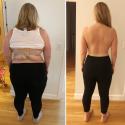
, Tummy Tuck Surgery Treatments in Turkey, Tummy Tuck Surgery Clinic in Istanbul, Tummy Tuck Surgery Treatment Center in Turkey

What qualifies you for a tummy tuck in Istanbul ?

What qualifies you for a tummy tuck? In general, you may be a good tummy tuck candidate if: You are physically healthy and at a stable weight. You have realistic expectations. You are a nonsmoker.
Who doesn’t wish a flat-board stomach ?
A belly that belies gravity and is as toned as the best athletes is almost every one’s most cherished dream. This, however, is a wish that rarely comes true for most unless you put in relentless hours of sweating at the gym.
A pot belly not only mars your personality but also irreparably damages self confidence, especially when you cross a certain age. You would do well to opt for an aesthetic tummy tuck procedure if you-
Have deposits of unwanted fat in and around your abdominal region
Suffer from some sort of eating or weight disorder either congenital or hereditary in origin
Have sagging tummy skin that just won’t go away
Stubborn abdominal concentration of fats reluctant to melt even after putting in the best of efforts
Any and all of these signs indicate a tummy tuck surgery that would alleviate all your woes.
  • What are the steps of a tummy tuck procedure?
A tummy tuck procedure includes the following steps:
  • Step 1 - Anesthesia
Medications are administered for your comfort during the surgical procedures. The choices include intravenous sedation and general anesthesia. Your doctor will recommend the best choice for you.
  • Step 2 – The incision
A full tummy tuck requires a horizontally-oriented incision in the area between the pubic hairline and belly button.
The shape and length of the incision will be determined by the amount of excess skin. Once the abdominal skin is lifted, the underlying weakened abdominal muscles are repaired.
A second incision around the navel may be necessary to remove excess skin in the upper abdomen.
Tummy tuck incision front abdomen sutures
The upper abdominal skin is pulled down like a window shade. The excess skin is trimmed and the remaining skin is sutured together. A new opening for the belly button is created. The belly button is popped through to the surface and sutured into position.
Tummy tuck side before and after
  • Step 3 – Closing the incisions
Sutures, skin adhesives, tapes or clips close the skin incisions.
  • Step 4 – See the results
Your tummy tuck will result in a flatter, firmer abdominal contour that is more proportionate with your body type and weight.
A tummy tuck is a cosmetic surgical procedure to improve the appearance of the abdomen.
During a tummy tuck — also known as abdominoplasty — excess skin and fat are removed from the abdomen. Connective tissue in the abdomen (fascia) usually is tightened with sutures as well. The remaining skin is then repositioned to create a more toned look.
You might choose to have a tummy tuck if you have excess fat or skin around the area of your bellybutton or a weak lower abdominal wall. A tummy tuck can also boost your body image.
Why it's done
There are a number of reasons you might have excess fat, poor elasticity of the skin or weakened connective tissue in your abdomen. These include:
  • Significant changes in weight
  • Pregnancy
  • Abdominal surgery, such as a C-section
  • Aging
  • Your natural body type
A tummy tuck can remove loose, excess skin and fat, and tighten weak fascia. A tummy tuck can also remove stretch marks and excess skin in the lower abdomen below the bellybutton. However, a tummy tuck won't correct stretch marks outside of this area.
If you've previously had a C-section, your plastic surgeon might be able to incorporate your existing C-section scar into your tummy tuck scar.
A tummy tuck can also be done in combination with other body contouring cosmetic procedures, such as breast surgery. If you've had fat removed from your abdomen (liposuction), you may decide to have a tummy tuck because liposuction removes tissue just under the skin and fat but not any excess skin.
A tummy tuck isn't for everyone. Your doctor might caution against a tummy tuck if you:
  • Plan to lose a significant amount of weight
  • Might consider future pregnancy
  • Have a severe chronic condition, such as heart disease or diabetes
  • Have a body mass index that's greater than 30
  • Are a smoker
  • Had a previous abdominal surgery that caused significant scar tissue
, Tummy Tuck Surgery Treatments in Turkey, Tummy Tuck Surgery Clinic in Istanbul, Tummy Tuck Surgery Treatment Center in Turkey

How bad is a tummy tuck recovery in Turkey ?

How bad is a tummy tuck recovery? The soreness diminishes after a week and you start to think less and less about it. Most women are walking upright and going about daily activities after just 2 weeks. Patients go back to working out at 4 to 6 weeks post-tummy tuck. Some report small muscle “zingers” with workouts or yoga, which is completely normal.
Who doesn’t wish a flat-board stomach ?
A belly that belies gravity and is as toned as the best athletes is almost every one’s most cherished dream. This, however, is a wish that rarely comes true for most unless you put in relentless hours of sweating at the gym.
A pot belly not only mars your personality but also irreparably damages self confidence, especially when you cross a certain age. You would do well to opt for an aesthetic tummy tuck procedure if you-
Have deposits of unwanted fat in and around your abdominal region
Suffer from some sort of eating or weight disorder either congenital or hereditary in origin
Have sagging tummy skin that just won’t go away
Stubborn abdominal concentration of fats reluctant to melt even after putting in the best of efforts
Any and all of these signs indicate a tummy tuck surgery that would alleviate all your woes.
  • What are the steps of a tummy tuck procedure?
A tummy tuck procedure includes the following steps:
  • Step 1 - Anesthesia
Medications are administered for your comfort during the surgical procedures. The choices include intravenous sedation and general anesthesia. Your doctor will recommend the best choice for you.
  • Step 2 – The incision
A full tummy tuck requires a horizontally-oriented incision in the area between the pubic hairline and belly button.
The shape and length of the incision will be determined by the amount of excess skin. Once the abdominal skin is lifted, the underlying weakened abdominal muscles are repaired.
A second incision around the navel may be necessary to remove excess skin in the upper abdomen.
Tummy tuck incision front abdomen sutures
The upper abdominal skin is pulled down like a window shade. The excess skin is trimmed and the remaining skin is sutured together. A new opening for the belly button is created. The belly button is popped through to the surface and sutured into position.
Tummy tuck side before and after
  • Step 3 – Closing the incisions
Sutures, skin adhesives, tapes or clips close the skin incisions.
  • Step 4 – See the results
Your tummy tuck will result in a flatter, firmer abdominal contour that is more proportionate with your body type and weight.
A tummy tuck is a cosmetic surgical procedure to improve the appearance of the abdomen.
During a tummy tuck — also known as abdominoplasty — excess skin and fat are removed from the abdomen. Connective tissue in the abdomen (fascia) usually is tightened with sutures as well. The remaining skin is then repositioned to create a more toned look.
You might choose to have a tummy tuck if you have excess fat or skin around the area of your bellybutton or a weak lower abdominal wall. A tummy tuck can also boost your body image.
Why it's done
There are a number of reasons you might have excess fat, poor elasticity of the skin or weakened connective tissue in your abdomen. These include:
  • Significant changes in weight
  • Pregnancy
  • Abdominal surgery, such as a C-section
  • Aging
  • Your natural body type
A tummy tuck can remove loose, excess skin and fat, and tighten weak fascia. A tummy tuck can also remove stretch marks and excess skin in the lower abdomen below the bellybutton. However, a tummy tuck won't correct stretch marks outside of this area.
If you've previously had a C-section, your plastic surgeon might be able to incorporate your existing C-section scar into your tummy tuck scar.
A tummy tuck can also be done in combination with other body contouring cosmetic procedures, such as breast surgery. If you've had fat removed from your abdomen (liposuction), you may decide to have a tummy tuck because liposuction removes tissue just under the skin and fat but not any excess skin.
A tummy tuck isn't for everyone. Your doctor might caution against a tummy tuck if you:
  • Plan to lose a significant amount of weight
  • Might consider future pregnancy
  • Have a severe chronic condition, such as heart disease or diabetes
  • Have a body mass index that's greater than 30
  • Are a smoker
  • Had a previous abdominal surgery that caused significant scar tissue

, Tummy Tuck Surgery Treatments in Turkey, Tummy Tuck Surgery Clinic in Istanbul, Tummy Tuck Surgery Treatment Center in Turkey

Is a tummy tuck worth it in Istanbul ?

Is a tummy tuck worth it? While you will have to wait a while to enjoy all the benefits of a tummy tuck, the good news is the results are very long-lasting if you maintain a similar weight. The vast majority of patients are thrilled with their decision to undergo the procedure—tummy tuck has a 97% “Worth It” rating on RealSelf.
Who doesn’t wish a flat-board stomach ?
A belly that belies gravity and is as toned as the best athletes is almost every one’s most cherished dream. This, however, is a wish that rarely comes true for most unless you put in relentless hours of sweating at the gym.
A pot belly not only mars your personality but also irreparably damages self confidence, especially when you cross a certain age. You would do well to opt for an aesthetic tummy tuck procedure if you-
Have deposits of unwanted fat in and around your abdominal region
Suffer from some sort of eating or weight disorder either congenital or hereditary in origin
Have sagging tummy skin that just won’t go away
Stubborn abdominal concentration of fats reluctant to melt even after putting in the best of efforts
Any and all of these signs indicate a tummy tuck surgery that would alleviate all your woes.
  • What are the steps of a tummy tuck procedure?
A tummy tuck procedure includes the following steps:
  • Step 1 - Anesthesia
Medications are administered for your comfort during the surgical procedures. The choices include intravenous sedation and general anesthesia. Your doctor will recommend the best choice for you.
  • Step 2 – The incision
A full tummy tuck requires a horizontally-oriented incision in the area between the pubic hairline and belly button.
The shape and length of the incision will be determined by the amount of excess skin. Once the abdominal skin is lifted, the underlying weakened abdominal muscles are repaired.
A second incision around the navel may be necessary to remove excess skin in the upper abdomen.
Tummy tuck incision front abdomen sutures
The upper abdominal skin is pulled down like a window shade. The excess skin is trimmed and the remaining skin is sutured together. A new opening for the belly button is created. The belly button is popped through to the surface and sutured into position.
Tummy tuck side before and after
  • Step 3 – Closing the incisions
Sutures, skin adhesives, tapes or clips close the skin incisions.
  • Step 4 – See the results
Your tummy tuck will result in a flatter, firmer abdominal contour that is more proportionate with your body type and weight.
A tummy tuck is a cosmetic surgical procedure to improve the appearance of the abdomen.
During a tummy tuck — also known as abdominoplasty — excess skin and fat are removed from the abdomen. Connective tissue in the abdomen (fascia) usually is tightened with sutures as well. The remaining skin is then repositioned to create a more toned look.
You might choose to have a tummy tuck if you have excess fat or skin around the area of your bellybutton or a weak lower abdominal wall. A tummy tuck can also boost your body image.
Why it's done
There are a number of reasons you might have excess fat, poor elasticity of the skin or weakened connective tissue in your abdomen. These include:
  • Significant changes in weight
  • Pregnancy
  • Abdominal surgery, such as a C-section
  • Aging
  • Your natural body type
A tummy tuck can remove loose, excess skin and fat, and tighten weak fascia. A tummy tuck can also remove stretch marks and excess skin in the lower abdomen below the bellybutton. However, a tummy tuck won't correct stretch marks outside of this area.
If you've previously had a C-section, your plastic surgeon might be able to incorporate your existing C-section scar into your tummy tuck scar.
A tummy tuck can also be done in combination with other body contouring cosmetic procedures, such as breast surgery. If you've had fat removed from your abdomen (liposuction), you may decide to have a tummy tuck because liposuction removes tissue just under the skin and fat but not any excess skin.
A tummy tuck isn't for everyone. Your doctor might caution against a tummy tuck if you:
  • Plan to lose a significant amount of weight
  • Might consider future pregnancy
  • Have a severe chronic condition, such as heart disease or diabetes
  • Have a body mass index that's greater than 30
  • Are a smoker
  • Had a previous abdominal surgery that caused significant scar tissue
, Tummy Tuck Surgery Treatments in Turkey, Tummy Tuck Surgery Clinic in Istanbul, Tummy Tuck Surgery Treatment Center in Turkey

Is 63 too old for a tummy tuck in Turkey ?

Is 63 too old for a tummy tuck? At 63, Am I Too Old to Have Tummy Tuck? ... Your age is absolutely not a contraindication to tummy tuck surgery; assuming you are in good health and a good candidate for the procedure you may have an excellent outcome with the procedure.
Who doesn’t wish a flat-board stomach ?
A belly that belies gravity and is as toned as the best athletes is almost every one’s most cherished dream. This, however, is a wish that rarely comes true for most unless you put in relentless hours of sweating at the gym.
A pot belly not only mars your personality but also irreparably damages self confidence, especially when you cross a certain age. You would do well to opt for an aesthetic tummy tuck procedure if you-
Have deposits of unwanted fat in and around your abdominal region
Suffer from some sort of eating or weight disorder either congenital or hereditary in origin
Have sagging tummy skin that just won’t go away
Stubborn abdominal concentration of fats reluctant to melt even after putting in the best of efforts
Any and all of these signs indicate a tummy tuck surgery that would alleviate all your woes.
  • What are the steps of a tummy tuck procedure?
A tummy tuck procedure includes the following steps:
  • Step 1 - Anesthesia
Medications are administered for your comfort during the surgical procedures. The choices include intravenous sedation and general anesthesia. Your doctor will recommend the best choice for you.
  • Step 2 – The incision
A full tummy tuck requires a horizontally-oriented incision in the area between the pubic hairline and belly button.
The shape and length of the incision will be determined by the amount of excess skin. Once the abdominal skin is lifted, the underlying weakened abdominal muscles are repaired.
A second incision around the navel may be necessary to remove excess skin in the upper abdomen.
Tummy tuck incision front abdomen sutures
The upper abdominal skin is pulled down like a window shade. The excess skin is trimmed and the remaining skin is sutured together. A new opening for the belly button is created. The belly button is popped through to the surface and sutured into position.
Tummy tuck side before and after
  • Step 3 – Closing the incisions
Sutures, skin adhesives, tapes or clips close the skin incisions.
  • Step 4 – See the results
Your tummy tuck will result in a flatter, firmer abdominal contour that is more proportionate with your body type and weight.
A tummy tuck is a cosmetic surgical procedure to improve the appearance of the abdomen.
During a tummy tuck — also known as abdominoplasty — excess skin and fat are removed from the abdomen. Connective tissue in the abdomen (fascia) usually is tightened with sutures as well. The remaining skin is then repositioned to create a more toned look.
You might choose to have a tummy tuck if you have excess fat or skin around the area of your bellybutton or a weak lower abdominal wall. A tummy tuck can also boost your body image.
Why it's done
There are a number of reasons you might have excess fat, poor elasticity of the skin or weakened connective tissue in your abdomen. These include:
  • Significant changes in weight
  • Pregnancy
  • Abdominal surgery, such as a C-section
  • Aging
  • Your natural body type
A tummy tuck can remove loose, excess skin and fat, and tighten weak fascia. A tummy tuck can also remove stretch marks and excess skin in the lower abdomen below the bellybutton. However, a tummy tuck won't correct stretch marks outside of this area.
If you've previously had a C-section, your plastic surgeon might be able to incorporate your existing C-section scar into your tummy tuck scar.
A tummy tuck can also be done in combination with other body contouring cosmetic procedures, such as breast surgery. If you've had fat removed from your abdomen (liposuction), you may decide to have a tummy tuck because liposuction removes tissue just under the skin and fat but not any excess skin.
A tummy tuck isn't for everyone. Your doctor might caution against a tummy tuck if you:
  • Plan to lose a significant amount of weight
  • Might consider future pregnancy
  • Have a severe chronic condition, such as heart disease or diabetes
  • Have a body mass index that's greater than 30
  • Are a smoker
  • Had a previous abdominal surgery that caused significant scar tissue
, Tummy Tuck Surgery Treatments in Turkey, Tummy Tuck Surgery Clinic in Istanbul, Tummy Tuck Surgery Treatment Center in Turkey

How long do tummy tucks last in Istanbul ?

How long do tummy tucks last? Tummy tuck results are considered permanent in that the skin and fat cells that Dr. Greenwald removes during the procedure cannot grow back. Likewise, any internal sutures that he places to repair stomach muscles are designed to remain in place indefinitely.
Who doesn’t wish a flat-board stomach ?
A belly that belies gravity and is as toned as the best athletes is almost every one’s most cherished dream. This, however, is a wish that rarely comes true for most unless you put in relentless hours of sweating at the gym.
A pot belly not only mars your personality but also irreparably damages self confidence, especially when you cross a certain age. You would do well to opt for an aesthetic tummy tuck procedure if you-
Have deposits of unwanted fat in and around your abdominal region
Suffer from some sort of eating or weight disorder either congenital or hereditary in origin
Have sagging tummy skin that just won’t go away
Stubborn abdominal concentration of fats reluctant to melt even after putting in the best of efforts
Any and all of these signs indicate a tummy tuck surgery that would alleviate all your woes.
  • What are the steps of a tummy tuck procedure?
A tummy tuck procedure includes the following steps:
  • Step 1 - Anesthesia
Medications are administered for your comfort during the surgical procedures. The choices include intravenous sedation and general anesthesia. Your doctor will recommend the best choice for you.
  • Step 2 – The incision
A full tummy tuck requires a horizontally-oriented incision in the area between the pubic hairline and belly button.
The shape and length of the incision will be determined by the amount of excess skin. Once the abdominal skin is lifted, the underlying weakened abdominal muscles are repaired.
A second incision around the navel may be necessary to remove excess skin in the upper abdomen.
Tummy tuck incision front abdomen sutures
The upper abdominal skin is pulled down like a window shade. The excess skin is trimmed and the remaining skin is sutured together. A new opening for the belly button is created. The belly button is popped through to the surface and sutured into position.
Tummy tuck side before and after
  • Step 3 – Closing the incisions
Sutures, skin adhesives, tapes or clips close the skin incisions.
  • Step 4 – See the results
Your tummy tuck will result in a flatter, firmer abdominal contour that is more proportionate with your body type and weight.
A tummy tuck is a cosmetic surgical procedure to improve the appearance of the abdomen.
During a tummy tuck — also known as abdominoplasty — excess skin and fat are removed from the abdomen. Connective tissue in the abdomen (fascia) usually is tightened with sutures as well. The remaining skin is then repositioned to create a more toned look.
You might choose to have a tummy tuck if you have excess fat or skin around the area of your bellybutton or a weak lower abdominal wall. A tummy tuck can also boost your body image.
Why it's done
There are a number of reasons you might have excess fat, poor elasticity of the skin or weakened connective tissue in your abdomen. These include:
  • Significant changes in weight
  • Pregnancy
  • Abdominal surgery, such as a C-section
  • Aging
  • Your natural body type
A tummy tuck can remove loose, excess skin and fat, and tighten weak fascia. A tummy tuck can also remove stretch marks and excess skin in the lower abdomen below the bellybutton. However, a tummy tuck won't correct stretch marks outside of this area.
If you've previously had a C-section, your plastic surgeon might be able to incorporate your existing C-section scar into your tummy tuck scar.
A tummy tuck can also be done in combination with other body contouring cosmetic procedures, such as breast surgery. If you've had fat removed from your abdomen (liposuction), you may decide to have a tummy tuck because liposuction removes tissue just under the skin and fat but not any excess skin.
A tummy tuck isn't for everyone. Your doctor might caution against a tummy tuck if you:
  • Plan to lose a significant amount of weight
  • Might consider future pregnancy
  • Have a severe chronic condition, such as heart disease or diabetes
  • Have a body mass index that's greater than 30
  • Are a smoker
  • Had a previous abdominal surgery that caused significant scar tissue
, Tummy Tuck Surgery Treatments in Turkey, Tummy Tuck Surgery Clinic in Istanbul, Tummy Tuck Surgery Treatment Center in Turkey

Can I go back to work 10 days after a tummy tuck in Turkey ?

Can I go back to work 10 days after a tummy tuck? It is safe to return to work ten days after a tummy tuck just as long as you are not doing anything too strenuous. A good rule of thumb is that if what you are doing is causing pain or increased swelling then you should back off. Be sure to follow the instructions of your surgeon as well.
Who doesn’t wish a flat-board stomach ?
A belly that belies gravity and is as toned as the best athletes is almost every one’s most cherished dream. This, however, is a wish that rarely comes true for most unless you put in relentless hours of sweating at the gym.
A pot belly not only mars your personality but also irreparably damages self confidence, especially when you cross a certain age. You would do well to opt for an aesthetic tummy tuck procedure if you-
Have deposits of unwanted fat in and around your abdominal region
Suffer from some sort of eating or weight disorder either congenital or hereditary in origin
Have sagging tummy skin that just won’t go away
Stubborn abdominal concentration of fats reluctant to melt even after putting in the best of efforts
Any and all of these signs indicate a tummy tuck surgery that would alleviate all your woes.
  • What are the steps of a tummy tuck procedure?
A tummy tuck procedure includes the following steps:
  • Step 1 - Anesthesia
Medications are administered for your comfort during the surgical procedures. The choices include intravenous sedation and general anesthesia. Your doctor will recommend the best choice for you.
  • Step 2 – The incision
A full tummy tuck requires a horizontally-oriented incision in the area between the pubic hairline and belly button.
The shape and length of the incision will be determined by the amount of excess skin. Once the abdominal skin is lifted, the underlying weakened abdominal muscles are repaired.
A second incision around the navel may be necessary to remove excess skin in the upper abdomen.
Tummy tuck incision front abdomen sutures
The upper abdominal skin is pulled down like a window shade. The excess skin is trimmed and the remaining skin is sutured together. A new opening for the belly button is created. The belly button is popped through to the surface and sutured into position.
Tummy tuck side before and after
  • Step 3 – Closing the incisions
Sutures, skin adhesives, tapes or clips close the skin incisions.
  • Step 4 – See the results
Your tummy tuck will result in a flatter, firmer abdominal contour that is more proportionate with your body type and weight.
A tummy tuck is a cosmetic surgical procedure to improve the appearance of the abdomen.
During a tummy tuck — also known as abdominoplasty — excess skin and fat are removed from the abdomen. Connective tissue in the abdomen (fascia) usually is tightened with sutures as well. The remaining skin is then repositioned to create a more toned look.
You might choose to have a tummy tuck if you have excess fat or skin around the area of your bellybutton or a weak lower abdominal wall. A tummy tuck can also boost your body image.
Why it's done
There are a number of reasons you might have excess fat, poor elasticity of the skin or weakened connective tissue in your abdomen. These include:
  • Significant changes in weight
  • Pregnancy
  • Abdominal surgery, such as a C-section
  • Aging
  • Your natural body type
A tummy tuck can remove loose, excess skin and fat, and tighten weak fascia. A tummy tuck can also remove stretch marks and excess skin in the lower abdomen below the bellybutton. However, a tummy tuck won't correct stretch marks outside of this area.
If you've previously had a C-section, your plastic surgeon might be able to incorporate your existing C-section scar into your tummy tuck scar.
A tummy tuck can also be done in combination with other body contouring cosmetic procedures, such as breast surgery. If you've had fat removed from your abdomen (liposuction), you may decide to have a tummy tuck because liposuction removes tissue just under the skin and fat but not any excess skin.
A tummy tuck isn't for everyone. Your doctor might caution against a tummy tuck if you:
  • Plan to lose a significant amount of weight
  • Might consider future pregnancy
  • Have a severe chronic condition, such as heart disease or diabetes
  • Have a body mass index that's greater than 30
  • Are a smoker
  • Had a previous abdominal surgery that caused significant scar tissue
, Tummy Tuck Surgery Treatments in Turkey, Tummy Tuck Surgery Clinic in Istanbul, Tummy Tuck Surgery Treatment Center in Turkey

How painful is a tummy tuck after surgery in Istanbul ?

How painful is a tummy tuck after surgery? If you are planning to have a tummy tuck, you should be prepared for one to two months of recovery, and you may experience pain throughout this time. In general, pain is mild to moderate after a tummy tuck. Rarely, pain or sensory abnormalities can persist for months or even years after the procedure.
Who doesn’t wish a flat-board stomach ?
A belly that belies gravity and is as toned as the best athletes is almost every one’s most cherished dream. This, however, is a wish that rarely comes true for most unless you put in relentless hours of sweating at the gym.
A pot belly not only mars your personality but also irreparably damages self confidence, especially when you cross a certain age. You would do well to opt for an aesthetic tummy tuck procedure if you-
Have deposits of unwanted fat in and around your abdominal region
Suffer from some sort of eating or weight disorder either congenital or hereditary in origin
Have sagging tummy skin that just won’t go away
Stubborn abdominal concentration of fats reluctant to melt even after putting in the best of efforts
Any and all of these signs indicate a tummy tuck surgery that would alleviate all your woes.
  • What are the steps of a tummy tuck procedure?
A tummy tuck procedure includes the following steps:
  • Step 1 - Anesthesia
Medications are administered for your comfort during the surgical procedures. The choices include intravenous sedation and general anesthesia. Your doctor will recommend the best choice for you.
  • Step 2 – The incision
A full tummy tuck requires a horizontally-oriented incision in the area between the pubic hairline and belly button.
The shape and length of the incision will be determined by the amount of excess skin. Once the abdominal skin is lifted, the underlying weakened abdominal muscles are repaired.
A second incision around the navel may be necessary to remove excess skin in the upper abdomen.
Tummy tuck incision front abdomen sutures
The upper abdominal skin is pulled down like a window shade. The excess skin is trimmed and the remaining skin is sutured together. A new opening for the belly button is created. The belly button is popped through to the surface and sutured into position.
Tummy tuck side before and after
  • Step 3 – Closing the incisions
Sutures, skin adhesives, tapes or clips close the skin incisions.
  • Step 4 – See the results
Your tummy tuck will result in a flatter, firmer abdominal contour that is more proportionate with your body type and weight.
A tummy tuck is a cosmetic surgical procedure to improve the appearance of the abdomen.
During a tummy tuck — also known as abdominoplasty — excess skin and fat are removed from the abdomen. Connective tissue in the abdomen (fascia) usually is tightened with sutures as well. The remaining skin is then repositioned to create a more toned look.
You might choose to have a tummy tuck if you have excess fat or skin around the area of your bellybutton or a weak lower abdominal wall. A tummy tuck can also boost your body image.
Why it's done
There are a number of reasons you might have excess fat, poor elasticity of the skin or weakened connective tissue in your abdomen. These include:
  • Significant changes in weight
  • Pregnancy
  • Abdominal surgery, such as a C-section
  • Aging
  • Your natural body type
A tummy tuck can remove loose, excess skin and fat, and tighten weak fascia. A tummy tuck can also remove stretch marks and excess skin in the lower abdomen below the bellybutton. However, a tummy tuck won't correct stretch marks outside of this area.
If you've previously had a C-section, your plastic surgeon might be able to incorporate your existing C-section scar into your tummy tuck scar.
A tummy tuck can also be done in combination with other body contouring cosmetic procedures, such as breast surgery. If you've had fat removed from your abdomen (liposuction), you may decide to have a tummy tuck because liposuction removes tissue just under the skin and fat but not any excess skin.
A tummy tuck isn't for everyone. Your doctor might caution against a tummy tuck if you:
  • Plan to lose a significant amount of weight
  • Might consider future pregnancy
  • Have a severe chronic condition, such as heart disease or diabetes
  • Have a body mass index that's greater than 30
  • Are a smoker
  • Had a previous abdominal surgery that caused significant scar tissue

, Tummy Tuck Surgery Treatments in Turkey, Tummy Tuck Surgery Clinic in Istanbul, Tummy Tuck Surgery Treatment Center in Turkey

How long after tummy tuck can I go back to work in Turkey ?

How long after tummy tuck can I go back to work? The short answer to when you can go back to work after a tummy tuck is two to six weeks. The amount of recovery time you need depends on several factors of your surgery. You may go home after the surgical procedure, but you will need help at home for a few days, especially if you have young children.
Who doesn’t wish a flat-board stomach ?
A belly that belies gravity and is as toned as the best athletes is almost every one’s most cherished dream. This, however, is a wish that rarely comes true for most unless you put in relentless hours of sweating at the gym.
A pot belly not only mars your personality but also irreparably damages self confidence, especially when you cross a certain age. You would do well to opt for an aesthetic tummy tuck procedure if you-
Have deposits of unwanted fat in and around your abdominal region
Suffer from some sort of eating or weight disorder either congenital or hereditary in origin
Have sagging tummy skin that just won’t go away
Stubborn abdominal concentration of fats reluctant to melt even after putting in the best of efforts
Any and all of these signs indicate a tummy tuck surgery that would alleviate all your woes.
  • What are the steps of a tummy tuck procedure?
A tummy tuck procedure includes the following steps:
  • Step 1 - Anesthesia
Medications are administered for your comfort during the surgical procedures. The choices include intravenous sedation and general anesthesia. Your doctor will recommend the best choice for you.
  • Step 2 – The incision
A full tummy tuck requires a horizontally-oriented incision in the area between the pubic hairline and belly button.
The shape and length of the incision will be determined by the amount of excess skin. Once the abdominal skin is lifted, the underlying weakened abdominal muscles are repaired.
A second incision around the navel may be necessary to remove excess skin in the upper abdomen.
Tummy tuck incision front abdomen sutures
The upper abdominal skin is pulled down like a window shade. The excess skin is trimmed and the remaining skin is sutured together. A new opening for the belly button is created. The belly button is popped through to the surface and sutured into position.
Tummy tuck side before and after
  • Step 3 – Closing the incisions
Sutures, skin adhesives, tapes or clips close the skin incisions.
  • Step 4 – See the results
Your tummy tuck will result in a flatter, firmer abdominal contour that is more proportionate with your body type and weight.
A tummy tuck is a cosmetic surgical procedure to improve the appearance of the abdomen.
During a tummy tuck — also known as abdominoplasty — excess skin and fat are removed from the abdomen. Connective tissue in the abdomen (fascia) usually is tightened with sutures as well. The remaining skin is then repositioned to create a more toned look.
You might choose to have a tummy tuck if you have excess fat or skin around the area of your bellybutton or a weak lower abdominal wall. A tummy tuck can also boost your body image.
Why it's done
There are a number of reasons you might have excess fat, poor elasticity of the skin or weakened connective tissue in your abdomen. These include:
  • Significant changes in weight
  • Pregnancy
  • Abdominal surgery, such as a C-section
  • Aging
  • Your natural body type
A tummy tuck can remove loose, excess skin and fat, and tighten weak fascia. A tummy tuck can also remove stretch marks and excess skin in the lower abdomen below the bellybutton. However, a tummy tuck won't correct stretch marks outside of this area.
If you've previously had a C-section, your plastic surgeon might be able to incorporate your existing C-section scar into your tummy tuck scar.
A tummy tuck can also be done in combination with other body contouring cosmetic procedures, such as breast surgery. If you've had fat removed from your abdomen (liposuction), you may decide to have a tummy tuck because liposuction removes tissue just under the skin and fat but not any excess skin.
A tummy tuck isn't for everyone. Your doctor might caution against a tummy tuck if you:
  • Plan to lose a significant amount of weight
  • Might consider future pregnancy
  • Have a severe chronic condition, such as heart disease or diabetes
  • Have a body mass index that's greater than 30
  • Are a smoker
  • Had a previous abdominal surgery that caused significant scar tissue
, Tummy Tuck Surgery Treatments in Turkey, Tummy Tuck Surgery Clinic in Istanbul, Tummy Tuck Surgery Treatment Center in Turkey

Can I get lipo instead of tummy tuck in Turkey ?

Can I get lipo instead of tummy tuck? In many patients (but not all) liposuction of the abdomen can often provide equivalent or better results than a tummy tuck. Because liposuction is safer and causes less scarring compared to tummy tucks, abdominal liposuction is now far more common than are tummy tucks.
Who doesn’t wish a flat-board stomach ?
A belly that belies gravity and is as toned as the best athletes is almost every one’s most cherished dream. This, however, is a wish that rarely comes true for most unless you put in relentless hours of sweating at the gym.
A pot belly not only mars your personality but also irreparably damages self confidence, especially when you cross a certain age. You would do well to opt for an aesthetic tummy tuck procedure if you-
Have deposits of unwanted fat in and around your abdominal region
Suffer from some sort of eating or weight disorder either congenital or hereditary in origin
Have sagging tummy skin that just won’t go away
Stubborn abdominal concentration of fats reluctant to melt even after putting in the best of efforts
Any and all of these signs indicate a tummy tuck surgery that would alleviate all your woes.
  • What are the steps of a tummy tuck procedure?
A tummy tuck procedure includes the following steps:
  • Step 1 - Anesthesia
Medications are administered for your comfort during the surgical procedures. The choices include intravenous sedation and general anesthesia. Your doctor will recommend the best choice for you.
  • Step 2 – The incision
A full tummy tuck requires a horizontally-oriented incision in the area between the pubic hairline and belly button.
The shape and length of the incision will be determined by the amount of excess skin. Once the abdominal skin is lifted, the underlying weakened abdominal muscles are repaired.
A second incision around the navel may be necessary to remove excess skin in the upper abdomen.
Tummy tuck incision front abdomen sutures
The upper abdominal skin is pulled down like a window shade. The excess skin is trimmed and the remaining skin is sutured together. A new opening for the belly button is created. The belly button is popped through to the surface and sutured into position.
Tummy tuck side before and after
  • Step 3 – Closing the incisions
Sutures, skin adhesives, tapes or clips close the skin incisions.
  • Step 4 – See the results
Your tummy tuck will result in a flatter, firmer abdominal contour that is more proportionate with your body type and weight.
A tummy tuck is a cosmetic surgical procedure to improve the appearance of the abdomen.
During a tummy tuck — also known as abdominoplasty — excess skin and fat are removed from the abdomen. Connective tissue in the abdomen (fascia) usually is tightened with sutures as well. The remaining skin is then repositioned to create a more toned look.
You might choose to have a tummy tuck if you have excess fat or skin around the area of your bellybutton or a weak lower abdominal wall. A tummy tuck can also boost your body image.
Why it's done
There are a number of reasons you might have excess fat, poor elasticity of the skin or weakened connective tissue in your abdomen. These include:
  • Significant changes in weight
  • Pregnancy
  • Abdominal surgery, such as a C-section
  • Aging
  • Your natural body type
A tummy tuck can remove loose, excess skin and fat, and tighten weak fascia. A tummy tuck can also remove stretch marks and excess skin in the lower abdomen below the bellybutton. However, a tummy tuck won't correct stretch marks outside of this area.
If you've previously had a C-section, your plastic surgeon might be able to incorporate your existing C-section scar into your tummy tuck scar.
A tummy tuck can also be done in combination with other body contouring cosmetic procedures, such as breast surgery. If you've had fat removed from your abdomen (liposuction), you may decide to have a tummy tuck because liposuction removes tissue just under the skin and fat but not any excess skin.
A tummy tuck isn't for everyone. Your doctor might caution against a tummy tuck if you:
  • Plan to lose a significant amount of weight
  • Might consider future pregnancy
  • Have a severe chronic condition, such as heart disease or diabetes
  • Have a body mass index that's greater than 30
  • Are a smoker
  • Had a previous abdominal surgery that caused significant scar tissue
, Tummy Tuck Surgery Treatments in Turkey, Tummy Tuck Surgery Clinic in Istanbul, Tummy Tuck Surgery Treatment Center in Turkey

Can you walk after a tummy tuck in Turkey ?

Can you walk after a tummy tuck? By the end of the week, you should be able to engage in light activity or household chores and walk without assistance. Week Two: By the end of week two, you should be able to walk twice daily for 10 to 15 minutes, a habit you can form now that will help you succeed in staying fit after your tummy tuck.
Who doesn’t wish a flat-board stomach ?
A belly that belies gravity and is as toned as the best athletes is almost every one’s most cherished dream. This, however, is a wish that rarely comes true for most unless you put in relentless hours of sweating at the gym.
A pot belly not only mars your personality but also irreparably damages self confidence, especially when you cross a certain age. You would do well to opt for an aesthetic tummy tuck procedure if you-
Have deposits of unwanted fat in and around your abdominal region
Suffer from some sort of eating or weight disorder either congenital or hereditary in origin
Have sagging tummy skin that just won’t go away
Stubborn abdominal concentration of fats reluctant to melt even after putting in the best of efforts
Any and all of these signs indicate a tummy tuck surgery that would alleviate all your woes.
  • What are the steps of a tummy tuck procedure?
A tummy tuck procedure includes the following steps:
  • Step 1 - Anesthesia
Medications are administered for your comfort during the surgical procedures. The choices include intravenous sedation and general anesthesia. Your doctor will recommend the best choice for you.
  • Step 2 – The incision
A full tummy tuck requires a horizontally-oriented incision in the area between the pubic hairline and belly button.
The shape and length of the incision will be determined by the amount of excess skin. Once the abdominal skin is lifted, the underlying weakened abdominal muscles are repaired.
A second incision around the navel may be necessary to remove excess skin in the upper abdomen.
Tummy tuck incision front abdomen sutures
The upper abdominal skin is pulled down like a window shade. The excess skin is trimmed and the remaining skin is sutured together. A new opening for the belly button is created. The belly button is popped through to the surface and sutured into position.
Tummy tuck side before and after
  • Step 3 – Closing the incisions
Sutures, skin adhesives, tapes or clips close the skin incisions.
  • Step 4 – See the results
Your tummy tuck will result in a flatter, firmer abdominal contour that is more proportionate with your body type and weight.
A tummy tuck is a cosmetic surgical procedure to improve the appearance of the abdomen.
During a tummy tuck — also known as abdominoplasty — excess skin and fat are removed from the abdomen. Connective tissue in the abdomen (fascia) usually is tightened with sutures as well. The remaining skin is then repositioned to create a more toned look.
You might choose to have a tummy tuck if you have excess fat or skin around the area of your bellybutton or a weak lower abdominal wall. A tummy tuck can also boost your body image.
Why it's done
There are a number of reasons you might have excess fat, poor elasticity of the skin or weakened connective tissue in your abdomen. These include:
  • Significant changes in weight
  • Pregnancy
  • Abdominal surgery, such as a C-section
  • Aging
  • Your natural body type
A tummy tuck can remove loose, excess skin and fat, and tighten weak fascia. A tummy tuck can also remove stretch marks and excess skin in the lower abdomen below the bellybutton. However, a tummy tuck won't correct stretch marks outside of this area.
If you've previously had a C-section, your plastic surgeon might be able to incorporate your existing C-section scar into your tummy tuck scar.
A tummy tuck can also be done in combination with other body contouring cosmetic procedures, such as breast surgery. If you've had fat removed from your abdomen (liposuction), you may decide to have a tummy tuck because liposuction removes tissue just under the skin and fat but not any excess skin.
A tummy tuck isn't for everyone. Your doctor might caution against a tummy tuck if you:
  • Plan to lose a significant amount of weight
  • Might consider future pregnancy
  • Have a severe chronic condition, such as heart disease or diabetes
  • Have a body mass index that's greater than 30
  • Are a smoker
  • Had a previous abdominal surgery that caused significant scar tissue
, Tummy Tuck Surgery Treatments in Turkey, Tummy Tuck Surgery Clinic in Istanbul, Tummy Tuck Surgery Treatment Center in Turkey

What is a 360 tummy tuck in Turkey ?

What is a 360 tummy tuck? Tummy tuck 360 involves surgical excision of skin & fat on the front of the body with the closure line scar positioned so it can be hidden by undergarments and liposuction of the front, sides and back.
Who doesn’t wish a flat-board stomach ?
A belly that belies gravity and is as toned as the best athletes is almost every one’s most cherished dream. This, however, is a wish that rarely comes true for most unless you put in relentless hours of sweating at the gym.
A pot belly not only mars your personality but also irreparably damages self confidence, especially when you cross a certain age. You would do well to opt for an aesthetic tummy tuck procedure if you-
Have deposits of unwanted fat in and around your abdominal region
Suffer from some sort of eating or weight disorder either congenital or hereditary in origin
Have sagging tummy skin that just won’t go away
Stubborn abdominal concentration of fats reluctant to melt even after putting in the best of efforts
Any and all of these signs indicate a tummy tuck surgery that would alleviate all your woes.
  • What are the steps of a tummy tuck procedure?
A tummy tuck procedure includes the following steps:
  • Step 1 - Anesthesia
Medications are administered for your comfort during the surgical procedures. The choices include intravenous sedation and general anesthesia. Your doctor will recommend the best choice for you.
  • Step 2 – The incision
A full tummy tuck requires a horizontally-oriented incision in the area between the pubic hairline and belly button.
The shape and length of the incision will be determined by the amount of excess skin. Once the abdominal skin is lifted, the underlying weakened abdominal muscles are repaired.
A second incision around the navel may be necessary to remove excess skin in the upper abdomen.
Tummy tuck incision front abdomen sutures
The upper abdominal skin is pulled down like a window shade. The excess skin is trimmed and the remaining skin is sutured together. A new opening for the belly button is created. The belly button is popped through to the surface and sutured into position.
Tummy tuck side before and after
  • Step 3 – Closing the incisions
Sutures, skin adhesives, tapes or clips close the skin incisions.
  • Step 4 – See the results
Your tummy tuck will result in a flatter, firmer abdominal contour that is more proportionate with your body type and weight.
A tummy tuck is a cosmetic surgical procedure to improve the appearance of the abdomen.
During a tummy tuck — also known as abdominoplasty — excess skin and fat are removed from the abdomen. Connective tissue in the abdomen (fascia) usually is tightened with sutures as well. The remaining skin is then repositioned to create a more toned look.
You might choose to have a tummy tuck if you have excess fat or skin around the area of your bellybutton or a weak lower abdominal wall. A tummy tuck can also boost your body image.
Why it's done
There are a number of reasons you might have excess fat, poor elasticity of the skin or weakened connective tissue in your abdomen. These include:
  • Significant changes in weight
  • Pregnancy
  • Abdominal surgery, such as a C-section
  • Aging
  • Your natural body type
A tummy tuck can remove loose, excess skin and fat, and tighten weak fascia. A tummy tuck can also remove stretch marks and excess skin in the lower abdomen below the bellybutton. However, a tummy tuck won't correct stretch marks outside of this area.
If you've previously had a C-section, your plastic surgeon might be able to incorporate your existing C-section scar into your tummy tuck scar.
A tummy tuck can also be done in combination with other body contouring cosmetic procedures, such as breast surgery. If you've had fat removed from your abdomen (liposuction), you may decide to have a tummy tuck because liposuction removes tissue just under the skin and fat but not any excess skin.
A tummy tuck isn't for everyone. Your doctor might caution against a tummy tuck if you:
  • Plan to lose a significant amount of weight
  • Might consider future pregnancy
  • Have a severe chronic condition, such as heart disease or diabetes
  • Have a body mass index that's greater than 30
  • Are a smoker
  • Had a previous abdominal surgery that caused significant scar tissue
, Tummy Tuck Surgery Treatments in Turkey, Tummy Tuck Surgery Clinic in Istanbul, Tummy Tuck Surgery Treatment Center in Turkey

How long is your stomach swollen after a tummy tuck in Turkey ?

How long is your stomach swollen after a tummy tuck? approximately two months -- The majority of swelling resolves after approximately two months. About 80% of the swelling should subside, but many patients have minor swelling that can persist up to one year after surgery.
Who doesn’t wish a flat-board stomach ?
A belly that belies gravity and is as toned as the best athletes is almost every one’s most cherished dream. This, however, is a wish that rarely comes true for most unless you put in relentless hours of sweating at the gym.
A pot belly not only mars your personality but also irreparably damages self confidence, especially when you cross a certain age. You would do well to opt for an aesthetic tummy tuck procedure if you-
Have deposits of unwanted fat in and around your abdominal region
Suffer from some sort of eating or weight disorder either congenital or hereditary in origin
Have sagging tummy skin that just won’t go away
Stubborn abdominal concentration of fats reluctant to melt even after putting in the best of efforts
Any and all of these signs indicate a tummy tuck surgery that would alleviate all your woes.
  • What are the steps of a tummy tuck procedure?
A tummy tuck procedure includes the following steps:
  • Step 1 - Anesthesia
Medications are administered for your comfort during the surgical procedures. The choices include intravenous sedation and general anesthesia. Your doctor will recommend the best choice for you.
  • Step 2 – The incision
A full tummy tuck requires a horizontally-oriented incision in the area between the pubic hairline and belly button.
The shape and length of the incision will be determined by the amount of excess skin. Once the abdominal skin is lifted, the underlying weakened abdominal muscles are repaired.
A second incision around the navel may be necessary to remove excess skin in the upper abdomen.
Tummy tuck incision front abdomen sutures
The upper abdominal skin is pulled down like a window shade. The excess skin is trimmed and the remaining skin is sutured together. A new opening for the belly button is created. The belly button is popped through to the surface and sutured into position.
Tummy tuck side before and after
  • Step 3 – Closing the incisions
Sutures, skin adhesives, tapes or clips close the skin incisions.
  • Step 4 – See the results
Your tummy tuck will result in a flatter, firmer abdominal contour that is more proportionate with your body type and weight.
A tummy tuck is a cosmetic surgical procedure to improve the appearance of the abdomen.
During a tummy tuck — also known as abdominoplasty — excess skin and fat are removed from the abdomen. Connective tissue in the abdomen (fascia) usually is tightened with sutures as well. The remaining skin is then repositioned to create a more toned look.
You might choose to have a tummy tuck if you have excess fat or skin around the area of your bellybutton or a weak lower abdominal wall. A tummy tuck can also boost your body image.
Why it's done
There are a number of reasons you might have excess fat, poor elasticity of the skin or weakened connective tissue in your abdomen. These include:
  • Significant changes in weight
  • Pregnancy
  • Abdominal surgery, such as a C-section
  • Aging
  • Your natural body type
A tummy tuck can remove loose, excess skin and fat, and tighten weak fascia. A tummy tuck can also remove stretch marks and excess skin in the lower abdomen below the bellybutton. However, a tummy tuck won't correct stretch marks outside of this area.
If you've previously had a C-section, your plastic surgeon might be able to incorporate your existing C-section scar into your tummy tuck scar.
A tummy tuck can also be done in combination with other body contouring cosmetic procedures, such as breast surgery. If you've had fat removed from your abdomen (liposuction), you may decide to have a tummy tuck because liposuction removes tissue just under the skin and fat but not any excess skin.
A tummy tuck isn't for everyone. Your doctor might caution against a tummy tuck if you:
  • Plan to lose a significant amount of weight
  • Might consider future pregnancy
  • Have a severe chronic condition, such as heart disease or diabetes
  • Have a body mass index that's greater than 30
  • Are a smoker
  • Had a previous abdominal surgery that caused significant scar tissue
, Tummy Tuck Surgery Treatments in Turkey, Tummy Tuck Surgery Clinic in Istanbul, Tummy Tuck Surgery Treatment Center in Turkey

Is 58 too old for tummy tuck in Turkey ?

Is 58 too old for tummy tuck? 58 is NOT too old for a tummy tuck -- As long as you are healthy and active a tummy tuck can be great for a person your age. ... This is a life changing surgery for many women, At 58 ou have many years to enjoy the results of a well executed tummy tuck.
Who doesn’t wish a flat-board stomach ?
A belly that belies gravity and is as toned as the best athletes is almost every one’s most cherished dream. This, however, is a wish that rarely comes true for most unless you put in relentless hours of sweating at the gym.
A pot belly not only mars your personality but also irreparably damages self confidence, especially when you cross a certain age. You would do well to opt for an aesthetic tummy tuck procedure if you-
Have deposits of unwanted fat in and around your abdominal region
Suffer from some sort of eating or weight disorder either congenital or hereditary in origin
Have sagging tummy skin that just won’t go away
Stubborn abdominal concentration of fats reluctant to melt even after putting in the best of efforts
Any and all of these signs indicate a tummy tuck surgery that would alleviate all your woes.
  • What are the steps of a tummy tuck procedure?
A tummy tuck procedure includes the following steps:
  • Step 1 - Anesthesia
Medications are administered for your comfort during the surgical procedures. The choices include intravenous sedation and general anesthesia. Your doctor will recommend the best choice for you.
  • Step 2 – The incision
A full tummy tuck requires a horizontally-oriented incision in the area between the pubic hairline and belly button.
The shape and length of the incision will be determined by the amount of excess skin. Once the abdominal skin is lifted, the underlying weakened abdominal muscles are repaired.
A second incision around the navel may be necessary to remove excess skin in the upper abdomen.
Tummy tuck incision front abdomen sutures
The upper abdominal skin is pulled down like a window shade. The excess skin is trimmed and the remaining skin is sutured together. A new opening for the belly button is created. The belly button is popped through to the surface and sutured into position.
Tummy tuck side before and after
  • Step 3 – Closing the incisions
Sutures, skin adhesives, tapes or clips close the skin incisions.
  • Step 4 – See the results
Your tummy tuck will result in a flatter, firmer abdominal contour that is more proportionate with your body type and weight.
A tummy tuck is a cosmetic surgical procedure to improve the appearance of the abdomen.
During a tummy tuck — also known as abdominoplasty — excess skin and fat are removed from the abdomen. Connective tissue in the abdomen (fascia) usually is tightened with sutures as well. The remaining skin is then repositioned to create a more toned look.
You might choose to have a tummy tuck if you have excess fat or skin around the area of your bellybutton or a weak lower abdominal wall. A tummy tuck can also boost your body image.
Why it's done
There are a number of reasons you might have excess fat, poor elasticity of the skin or weakened connective tissue in your abdomen. These include:
  • Significant changes in weight
  • Pregnancy
  • Abdominal surgery, such as a C-section
  • Aging
  • Your natural body type
A tummy tuck can remove loose, excess skin and fat, and tighten weak fascia. A tummy tuck can also remove stretch marks and excess skin in the lower abdomen below the bellybutton. However, a tummy tuck won't correct stretch marks outside of this area.
If you've previously had a C-section, your plastic surgeon might be able to incorporate your existing C-section scar into your tummy tuck scar.
A tummy tuck can also be done in combination with other body contouring cosmetic procedures, such as breast surgery. If you've had fat removed from your abdomen (liposuction), you may decide to have a tummy tuck because liposuction removes tissue just under the skin and fat but not any excess skin.
A tummy tuck isn't for everyone. Your doctor might caution against a tummy tuck if you:
  • Plan to lose a significant amount of weight
  • Might consider future pregnancy
  • Have a severe chronic condition, such as heart disease or diabetes
  • Have a body mass index that's greater than 30
  • Are a smoker
  • Had a previous abdominal surgery that caused significant scar tissue
, Tummy Tuck Surgery Treatments in Turkey, Tummy Tuck Surgery Clinic in Istanbul, Tummy Tuck Surgery Treatment Center in Turkey

What happens if you don't wear compression garment after tummy tuck in Turkey ?

What happens if you don't wear compression garment after tummy tuck? If you don't wear a binder after a tummy tuck - you may forget the procedure you had and over-stress your sutures that could lead to breakage or tearing, more seroma formation, especially if progressive tension sutures were not used, and swelling.
Who doesn’t wish a flat-board stomach ?
A belly that belies gravity and is as toned as the best athletes is almost every one’s most cherished dream. This, however, is a wish that rarely comes true for most unless you put in relentless hours of sweating at the gym.
A pot belly not only mars your personality but also irreparably damages self confidence, especially when you cross a certain age. You would do well to opt for an aesthetic tummy tuck procedure if you-
Have deposits of unwanted fat in and around your abdominal region
Suffer from some sort of eating or weight disorder either congenital or hereditary in origin
Have sagging tummy skin that just won’t go away
Stubborn abdominal concentration of fats reluctant to melt even after putting in the best of efforts
Any and all of these signs indicate a tummy tuck surgery that would alleviate all your woes.
  • What are the steps of a tummy tuck procedure?
A tummy tuck procedure includes the following steps:
  • Step 1 - Anesthesia
Medications are administered for your comfort during the surgical procedures. The choices include intravenous sedation and general anesthesia. Your doctor will recommend the best choice for you.
  • Step 2 – The incision
A full tummy tuck requires a horizontally-oriented incision in the area between the pubic hairline and belly button.
The shape and length of the incision will be determined by the amount of excess skin. Once the abdominal skin is lifted, the underlying weakened abdominal muscles are repaired.
A second incision around the navel may be necessary to remove excess skin in the upper abdomen.
Tummy tuck incision front abdomen sutures
The upper abdominal skin is pulled down like a window shade. The excess skin is trimmed and the remaining skin is sutured together. A new opening for the belly button is created. The belly button is popped through to the surface and sutured into position.
Tummy tuck side before and after
  • Step 3 – Closing the incisions
Sutures, skin adhesives, tapes or clips close the skin incisions.
  • Step 4 – See the results
Your tummy tuck will result in a flatter, firmer abdominal contour that is more proportionate with your body type and weight.
A tummy tuck is a cosmetic surgical procedure to improve the appearance of the abdomen.
During a tummy tuck — also known as abdominoplasty — excess skin and fat are removed from the abdomen. Connective tissue in the abdomen (fascia) usually is tightened with sutures as well. The remaining skin is then repositioned to create a more toned look.
You might choose to have a tummy tuck if you have excess fat or skin around the area of your bellybutton or a weak lower abdominal wall. A tummy tuck can also boost your body image.
Why it's done
There are a number of reasons you might have excess fat, poor elasticity of the skin or weakened connective tissue in your abdomen. These include:
  • Significant changes in weight
  • Pregnancy
  • Abdominal surgery, such as a C-section
  • Aging
  • Your natural body type
A tummy tuck can remove loose, excess skin and fat, and tighten weak fascia. A tummy tuck can also remove stretch marks and excess skin in the lower abdomen below the bellybutton. However, a tummy tuck won't correct stretch marks outside of this area.
If you've previously had a C-section, your plastic surgeon might be able to incorporate your existing C-section scar into your tummy tuck scar.
A tummy tuck can also be done in combination with other body contouring cosmetic procedures, such as breast surgery. If you've had fat removed from your abdomen (liposuction), you may decide to have a tummy tuck because liposuction removes tissue just under the skin and fat but not any excess skin.
A tummy tuck isn't for everyone. Your doctor might caution against a tummy tuck if you:
  • Plan to lose a significant amount of weight
  • Might consider future pregnancy
  • Have a severe chronic condition, such as heart disease or diabetes
  • Have a body mass index that's greater than 30
  • Are a smoker
  • Had a previous abdominal surgery that caused significant scar tissue
, Tummy Tuck Surgery Treatments in Turkey, Tummy Tuck Surgery Clinic in Istanbul, Tummy Tuck Surgery Treatment Center in Turkey

Is 52 too old to have a tummy tuck in Turkey ?

Is 52 too old to have a tummy tuck? Age for tummy tuck - You are absolutely not too old for a tummy tuck. I have performed successful tummy tucks in women into their late 60's. Some of my most happiest tummy tuck patients were older. They just couldn't stand their aging and were unable to wear the clothes they desired.
Who doesn’t wish a flat-board stomach ?
A belly that belies gravity and is as toned as the best athletes is almost every one’s most cherished dream. This, however, is a wish that rarely comes true for most unless you put in relentless hours of sweating at the gym.
A pot belly not only mars your personality but also irreparably damages self confidence, especially when you cross a certain age. You would do well to opt for an aesthetic tummy tuck procedure if you-
Have deposits of unwanted fat in and around your abdominal region
Suffer from some sort of eating or weight disorder either congenital or hereditary in origin
Have sagging tummy skin that just won’t go away
Stubborn abdominal concentration of fats reluctant to melt even after putting in the best of efforts
Any and all of these signs indicate a tummy tuck surgery that would alleviate all your woes.
  • What are the steps of a tummy tuck procedure?
A tummy tuck procedure includes the following steps:
  • Step 1 - Anesthesia
Medications are administered for your comfort during the surgical procedures. The choices include intravenous sedation and general anesthesia. Your doctor will recommend the best choice for you.
  • Step 2 – The incision
A full tummy tuck requires a horizontally-oriented incision in the area between the pubic hairline and belly button.
The shape and length of the incision will be determined by the amount of excess skin. Once the abdominal skin is lifted, the underlying weakened abdominal muscles are repaired.
A second incision around the navel may be necessary to remove excess skin in the upper abdomen.
Tummy tuck incision front abdomen sutures
The upper abdominal skin is pulled down like a window shade. The excess skin is trimmed and the remaining skin is sutured together. A new opening for the belly button is created. The belly button is popped through to the surface and sutured into position.
Tummy tuck side before and after
  • Step 3 – Closing the incisions
Sutures, skin adhesives, tapes or clips close the skin incisions.
  • Step 4 – See the results
Your tummy tuck will result in a flatter, firmer abdominal contour that is more proportionate with your body type and weight.
A tummy tuck is a cosmetic surgical procedure to improve the appearance of the abdomen.
During a tummy tuck — also known as abdominoplasty — excess skin and fat are removed from the abdomen. Connective tissue in the abdomen (fascia) usually is tightened with sutures as well. The remaining skin is then repositioned to create a more toned look.
You might choose to have a tummy tuck if you have excess fat or skin around the area of your bellybutton or a weak lower abdominal wall. A tummy tuck can also boost your body image.
Why it's done
There are a number of reasons you might have excess fat, poor elasticity of the skin or weakened connective tissue in your abdomen. These include:
  • Significant changes in weight
  • Pregnancy
  • Abdominal surgery, such as a C-section
  • Aging
  • Your natural body type
A tummy tuck can remove loose, excess skin and fat, and tighten weak fascia. A tummy tuck can also remove stretch marks and excess skin in the lower abdomen below the bellybutton. However, a tummy tuck won't correct stretch marks outside of this area.
If you've previously had a C-section, your plastic surgeon might be able to incorporate your existing C-section scar into your tummy tuck scar.
A tummy tuck can also be done in combination with other body contouring cosmetic procedures, such as breast surgery. If you've had fat removed from your abdomen (liposuction), you may decide to have a tummy tuck because liposuction removes tissue just under the skin and fat but not any excess skin.
A tummy tuck isn't for everyone. Your doctor might caution against a tummy tuck if you:
  • Plan to lose a significant amount of weight
  • Might consider future pregnancy
  • Have a severe chronic condition, such as heart disease or diabetes
  • Have a body mass index that's greater than 30
  • Are a smoker
  • Had a previous abdominal surgery that caused significant scar tissue
, Tummy Tuck Surgery Treatments in Turkey, Tummy Tuck Surgery Clinic in Istanbul, Tummy Tuck Surgery Treatment Center in Turkey

What are the do's and don'ts after a tummy tuck in Turkey ?

What are the do's and don'ts after a tummy tuck? Don't Be Inactive, but Be Careful - Exercise helps prevent blood clots, so try to get up and walk around the room every hour. However, avoid activities that strain you, and avoid heavy lifting, and prolonged standing for the first week. You won't be able to lift weights, lift your kids, or do crunches for several weeks
Who doesn’t wish a flat-board stomach ?
A belly that belies gravity and is as toned as the best athletes is almost every one’s most cherished dream. This, however, is a wish that rarely comes true for most unless you put in relentless hours of sweating at the gym.
A pot belly not only mars your personality but also irreparably damages self confidence, especially when you cross a certain age. You would do well to opt for an aesthetic tummy tuck procedure if you-
Have deposits of unwanted fat in and around your abdominal region
Suffer from some sort of eating or weight disorder either congenital or hereditary in origin
Have sagging tummy skin that just won’t go away
Stubborn abdominal concentration of fats reluctant to melt even after putting in the best of efforts
Any and all of these signs indicate a tummy tuck surgery that would alleviate all your woes.
  • What are the steps of a tummy tuck procedure?
A tummy tuck procedure includes the following steps:
  • Step 1 - Anesthesia
Medications are administered for your comfort during the surgical procedures. The choices include intravenous sedation and general anesthesia. Your doctor will recommend the best choice for you.
  • Step 2 – The incision
A full tummy tuck requires a horizontally-oriented incision in the area between the pubic hairline and belly button.
The shape and length of the incision will be determined by the amount of excess skin. Once the abdominal skin is lifted, the underlying weakened abdominal muscles are repaired.
A second incision around the navel may be necessary to remove excess skin in the upper abdomen.
Tummy tuck incision front abdomen sutures
The upper abdominal skin is pulled down like a window shade. The excess skin is trimmed and the remaining skin is sutured together. A new opening for the belly button is created. The belly button is popped through to the surface and sutured into position.
Tummy tuck side before and after
  • Step 3 – Closing the incisions
Sutures, skin adhesives, tapes or clips close the skin incisions.
  • Step 4 – See the results
Your tummy tuck will result in a flatter, firmer abdominal contour that is more proportionate with your body type and weight.
A tummy tuck is a cosmetic surgical procedure to improve the appearance of the abdomen.
During a tummy tuck — also known as abdominoplasty — excess skin and fat are removed from the abdomen. Connective tissue in the abdomen (fascia) usually is tightened with sutures as well. The remaining skin is then repositioned to create a more toned look.
You might choose to have a tummy tuck if you have excess fat or skin around the area of your bellybutton or a weak lower abdominal wall. A tummy tuck can also boost your body image.
Why it's done
There are a number of reasons you might have excess fat, poor elasticity of the skin or weakened connective tissue in your abdomen. These include:
  • Significant changes in weight
  • Pregnancy
  • Abdominal surgery, such as a C-section
  • Aging
  • Your natural body type
A tummy tuck can remove loose, excess skin and fat, and tighten weak fascia. A tummy tuck can also remove stretch marks and excess skin in the lower abdomen below the bellybutton. However, a tummy tuck won't correct stretch marks outside of this area.
If you've previously had a C-section, your plastic surgeon might be able to incorporate your existing C-section scar into your tummy tuck scar.
A tummy tuck can also be done in combination with other body contouring cosmetic procedures, such as breast surgery. If you've had fat removed from your abdomen (liposuction), you may decide to have a tummy tuck because liposuction removes tissue just under the skin and fat but not any excess skin.
A tummy tuck isn't for everyone. Your doctor might caution against a tummy tuck if you:
  • Plan to lose a significant amount of weight
  • Might consider future pregnancy
  • Have a severe chronic condition, such as heart disease or diabetes
  • Have a body mass index that's greater than 30
  • Are a smoker
  • Had a previous abdominal surgery that caused significant scar tissue
, Tummy Tuck Surgery Treatments in Turkey, Tummy Tuck Surgery Clinic in Istanbul, Tummy Tuck Surgery Treatment Center in Turkey

How much skin is removed in a tummy tuck in Turkey ?

How much skin is removed in a tummy tuck? There are generally no limits to how much is removed in a tummy tuck (we have removed over 70lbs from a tummy in single operation), unlike liposuction in which safe volume limits have been described. It is important that enough tissue is left behind to allow for a safe closure with a good cosmetic result.
Who doesn’t wish a flat-board stomach ?
A belly that belies gravity and is as toned as the best athletes is almost every one’s most cherished dream. This, however, is a wish that rarely comes true for most unless you put in relentless hours of sweating at the gym.
A pot belly not only mars your personality but also irreparably damages self confidence, especially when you cross a certain age. You would do well to opt for an aesthetic tummy tuck procedure if you-
Have deposits of unwanted fat in and around your abdominal region
Suffer from some sort of eating or weight disorder either congenital or hereditary in origin
Have sagging tummy skin that just won’t go away
Stubborn abdominal concentration of fats reluctant to melt even after putting in the best of efforts
Any and all of these signs indicate a tummy tuck surgery that would alleviate all your woes.
  • What are the steps of a tummy tuck procedure?
A tummy tuck procedure includes the following steps:
  • Step 1 - Anesthesia
Medications are administered for your comfort during the surgical procedures. The choices include intravenous sedation and general anesthesia. Your doctor will recommend the best choice for you.
  • Step 2 – The incision
A full tummy tuck requires a horizontally-oriented incision in the area between the pubic hairline and belly button.
The shape and length of the incision will be determined by the amount of excess skin. Once the abdominal skin is lifted, the underlying weakened abdominal muscles are repaired.
A second incision around the navel may be necessary to remove excess skin in the upper abdomen.
Tummy tuck incision front abdomen sutures
The upper abdominal skin is pulled down like a window shade. The excess skin is trimmed and the remaining skin is sutured together. A new opening for the belly button is created. The belly button is popped through to the surface and sutured into position.
Tummy tuck side before and after
  • Step 3 – Closing the incisions
Sutures, skin adhesives, tapes or clips close the skin incisions.
  • Step 4 – See the results
Your tummy tuck will result in a flatter, firmer abdominal contour that is more proportionate with your body type and weight.
A tummy tuck is a cosmetic surgical procedure to improve the appearance of the abdomen.
During a tummy tuck — also known as abdominoplasty — excess skin and fat are removed from the abdomen. Connective tissue in the abdomen (fascia) usually is tightened with sutures as well. The remaining skin is then repositioned to create a more toned look.
You might choose to have a tummy tuck if you have excess fat or skin around the area of your bellybutton or a weak lower abdominal wall. A tummy tuck can also boost your body image.
Why it's done
There are a number of reasons you might have excess fat, poor elasticity of the skin or weakened connective tissue in your abdomen. These include:
  • Significant changes in weight
  • Pregnancy
  • Abdominal surgery, such as a C-section
  • Aging
  • Your natural body type
A tummy tuck can remove loose, excess skin and fat, and tighten weak fascia. A tummy tuck can also remove stretch marks and excess skin in the lower abdomen below the bellybutton. However, a tummy tuck won't correct stretch marks outside of this area.
If you've previously had a C-section, your plastic surgeon might be able to incorporate your existing C-section scar into your tummy tuck scar.
A tummy tuck can also be done in combination with other body contouring cosmetic procedures, such as breast surgery. If you've had fat removed from your abdomen (liposuction), you may decide to have a tummy tuck because liposuction removes tissue just under the skin and fat but not any excess skin.
A tummy tuck isn't for everyone. Your doctor might caution against a tummy tuck if you:
  • Plan to lose a significant amount of weight
  • Might consider future pregnancy
  • Have a severe chronic condition, such as heart disease or diabetes
  • Have a body mass index that's greater than 30
  • Are a smoker
  • Had a previous abdominal surgery that caused significant scar tissue
, Tummy Tuck Surgery Treatments in Turkey, Tummy Tuck Surgery Clinic in Istanbul, Tummy Tuck Surgery Treatment Center in Turkey

Can I drink coffee before tummy tuck in Turkey ?

Can I drink coffee before tummy tuck? Drink a lot of water, i.e., 8 to 10 glasses every day. Soda, tea, coffee, and other beverages can be added, but aren't included in that count, so think water, water, water!
Who doesn’t wish a flat-board stomach ?
A belly that belies gravity and is as toned as the best athletes is almost every one’s most cherished dream. This, however, is a wish that rarely comes true for most unless you put in relentless hours of sweating at the gym.
A pot belly not only mars your personality but also irreparably damages self confidence, especially when you cross a certain age. You would do well to opt for an aesthetic tummy tuck procedure if you-
Have deposits of unwanted fat in and around your abdominal region
Suffer from some sort of eating or weight disorder either congenital or hereditary in origin
Have sagging tummy skin that just won’t go away
Stubborn abdominal concentration of fats reluctant to melt even after putting in the best of efforts
Any and all of these signs indicate a tummy tuck surgery that would alleviate all your woes.
  • What are the steps of a tummy tuck procedure?
A tummy tuck procedure includes the following steps:
  • Step 1 - Anesthesia
Medications are administered for your comfort during the surgical procedures. The choices include intravenous sedation and general anesthesia. Your doctor will recommend the best choice for you.
  • Step 2 – The incision
A full tummy tuck requires a horizontally-oriented incision in the area between the pubic hairline and belly button.
The shape and length of the incision will be determined by the amount of excess skin. Once the abdominal skin is lifted, the underlying weakened abdominal muscles are repaired.
A second incision around the navel may be necessary to remove excess skin in the upper abdomen.
Tummy tuck incision front abdomen sutures
The upper abdominal skin is pulled down like a window shade. The excess skin is trimmed and the remaining skin is sutured together. A new opening for the belly button is created. The belly button is popped through to the surface and sutured into position.
Tummy tuck side before and after
  • Step 3 – Closing the incisions
Sutures, skin adhesives, tapes or clips close the skin incisions.
  • Step 4 – See the results
Your tummy tuck will result in a flatter, firmer abdominal contour that is more proportionate with your body type and weight.
A tummy tuck is a cosmetic surgical procedure to improve the appearance of the abdomen.
During a tummy tuck — also known as abdominoplasty — excess skin and fat are removed from the abdomen. Connective tissue in the abdomen (fascia) usually is tightened with sutures as well. The remaining skin is then repositioned to create a more toned look.
You might choose to have a tummy tuck if you have excess fat or skin around the area of your bellybutton or a weak lower abdominal wall. A tummy tuck can also boost your body image.
Why it's done
There are a number of reasons you might have excess fat, poor elasticity of the skin or weakened connective tissue in your abdomen. These include:
  • Significant changes in weight
  • Pregnancy
  • Abdominal surgery, such as a C-section
  • Aging
  • Your natural body type
A tummy tuck can remove loose, excess skin and fat, and tighten weak fascia. A tummy tuck can also remove stretch marks and excess skin in the lower abdomen below the bellybutton. However, a tummy tuck won't correct stretch marks outside of this area.
If you've previously had a C-section, your plastic surgeon might be able to incorporate your existing C-section scar into your tummy tuck scar.
A tummy tuck can also be done in combination with other body contouring cosmetic procedures, such as breast surgery. If you've had fat removed from your abdomen (liposuction), you may decide to have a tummy tuck because liposuction removes tissue just under the skin and fat but not any excess skin.
A tummy tuck isn't for everyone. Your doctor might caution against a tummy tuck if you:
  • Plan to lose a significant amount of weight
  • Might consider future pregnancy
  • Have a severe chronic condition, such as heart disease or diabetes
  • Have a body mass index that's greater than 30
  • Are a smoker
  • Had a previous abdominal surgery that caused significant scar tissue
, Tummy Tuck Surgery Treatments in Turkey, Tummy Tuck Surgery Clinic in Istanbul, Tummy Tuck Surgery Treatment Center in Turkey

Is a tummy tuck permanent in Turkey ?

Is a tummy tuck permanent? After a tummy tuck, the results are considered permanent. Your abdominal wall will be more stable and strong. The excess skin that has been removed won't return unless fluctuation in weight or a subsequent pregnancy stretches out the area again.
Who doesn’t wish a flat-board stomach ?
A belly that belies gravity and is as toned as the best athletes is almost every one’s most cherished dream. This, however, is a wish that rarely comes true for most unless you put in relentless hours of sweating at the gym.
A pot belly not only mars your personality but also irreparably damages self confidence, especially when you cross a certain age. You would do well to opt for an aesthetic tummy tuck procedure if you-
Have deposits of unwanted fat in and around your abdominal region
Suffer from some sort of eating or weight disorder either congenital or hereditary in origin
Have sagging tummy skin that just won’t go away
Stubborn abdominal concentration of fats reluctant to melt even after putting in the best of efforts
Any and all of these signs indicate a tummy tuck surgery that would alleviate all your woes.
  • What are the steps of a tummy tuck procedure?
A tummy tuck procedure includes the following steps:
  • Step 1 - Anesthesia
Medications are administered for your comfort during the surgical procedures. The choices include intravenous sedation and general anesthesia. Your doctor will recommend the best choice for you.
  • Step 2 – The incision
A full tummy tuck requires a horizontally-oriented incision in the area between the pubic hairline and belly button.
The shape and length of the incision will be determined by the amount of excess skin. Once the abdominal skin is lifted, the underlying weakened abdominal muscles are repaired.
A second incision around the navel may be necessary to remove excess skin in the upper abdomen.
Tummy tuck incision front abdomen sutures
The upper abdominal skin is pulled down like a window shade. The excess skin is trimmed and the remaining skin is sutured together. A new opening for the belly button is created. The belly button is popped through to the surface and sutured into position.
Tummy tuck side before and after
  • Step 3 – Closing the incisions
Sutures, skin adhesives, tapes or clips close the skin incisions.
  • Step 4 – See the results
Your tummy tuck will result in a flatter, firmer abdominal contour that is more proportionate with your body type and weight.
A tummy tuck is a cosmetic surgical procedure to improve the appearance of the abdomen.
During a tummy tuck — also known as abdominoplasty — excess skin and fat are removed from the abdomen. Connective tissue in the abdomen (fascia) usually is tightened with sutures as well. The remaining skin is then repositioned to create a more toned look.
You might choose to have a tummy tuck if you have excess fat or skin around the area of your bellybutton or a weak lower abdominal wall. A tummy tuck can also boost your body image.
Why it's done
There are a number of reasons you might have excess fat, poor elasticity of the skin or weakened connective tissue in your abdomen. These include:
  • Significant changes in weight
  • Pregnancy
  • Abdominal surgery, such as a C-section
  • Aging
  • Your natural body type
A tummy tuck can remove loose, excess skin and fat, and tighten weak fascia. A tummy tuck can also remove stretch marks and excess skin in the lower abdomen below the bellybutton. However, a tummy tuck won't correct stretch marks outside of this area.
If you've previously had a C-section, your plastic surgeon might be able to incorporate your existing C-section scar into your tummy tuck scar.
A tummy tuck can also be done in combination with other body contouring cosmetic procedures, such as breast surgery. If you've had fat removed from your abdomen (liposuction), you may decide to have a tummy tuck because liposuction removes tissue just under the skin and fat but not any excess skin.
A tummy tuck isn't for everyone. Your doctor might caution against a tummy tuck if you:
  • Plan to lose a significant amount of weight
  • Might consider future pregnancy
  • Have a severe chronic condition, such as heart disease or diabetes
  • Have a body mass index that's greater than 30
  • Are a smoker
  • Had a previous abdominal surgery that caused significant scar tissue
, Tummy Tuck Surgery Treatments in Turkey, Tummy Tuck Surgery Clinic in Istanbul, Tummy Tuck Surgery Treatment Center in Turkey

What should I do the night before my tummy tuck in Turkey ?

What should I do the night before my tummy tuck? The Day Before Your Tummy Tuck - Drink plenty of fluids containing electrolytes (Gatorade, Smartwater, etc.) during the day. The evening before your surgery eat a high protein and low fat dinner such as a grilled chicken salad. Set out a few comfortable outfits to wear over the next several days.
Who doesn’t wish a flat-board stomach ?
A belly that belies gravity and is as toned as the best athletes is almost every one’s most cherished dream. This, however, is a wish that rarely comes true for most unless you put in relentless hours of sweating at the gym.
A pot belly not only mars your personality but also irreparably damages self confidence, especially when you cross a certain age. You would do well to opt for an aesthetic tummy tuck procedure if you-
Have deposits of unwanted fat in and around your abdominal region
Suffer from some sort of eating or weight disorder either congenital or hereditary in origin
Have sagging tummy skin that just won’t go away
Stubborn abdominal concentration of fats reluctant to melt even after putting in the best of efforts
Any and all of these signs indicate a tummy tuck surgery that would alleviate all your woes.
  • What are the steps of a tummy tuck procedure?
A tummy tuck procedure includes the following steps:
  • Step 1 - Anesthesia
Medications are administered for your comfort during the surgical procedures. The choices include intravenous sedation and general anesthesia. Your doctor will recommend the best choice for you.
  • Step 2 – The incision
A full tummy tuck requires a horizontally-oriented incision in the area between the pubic hairline and belly button.
The shape and length of the incision will be determined by the amount of excess skin. Once the abdominal skin is lifted, the underlying weakened abdominal muscles are repaired.
A second incision around the navel may be necessary to remove excess skin in the upper abdomen.
Tummy tuck incision front abdomen sutures
The upper abdominal skin is pulled down like a window shade. The excess skin is trimmed and the remaining skin is sutured together. A new opening for the belly button is created. The belly button is popped through to the surface and sutured into position.
Tummy tuck side before and after
  • Step 3 – Closing the incisions
Sutures, skin adhesives, tapes or clips close the skin incisions.
  • Step 4 – See the results
Your tummy tuck will result in a flatter, firmer abdominal contour that is more proportionate with your body type and weight.
A tummy tuck is a cosmetic surgical procedure to improve the appearance of the abdomen.
During a tummy tuck — also known as abdominoplasty — excess skin and fat are removed from the abdomen. Connective tissue in the abdomen (fascia) usually is tightened with sutures as well. The remaining skin is then repositioned to create a more toned look.
You might choose to have a tummy tuck if you have excess fat or skin around the area of your bellybutton or a weak lower abdominal wall. A tummy tuck can also boost your body image.
Why it's done
There are a number of reasons you might have excess fat, poor elasticity of the skin or weakened connective tissue in your abdomen. These include:
  • Significant changes in weight
  • Pregnancy
  • Abdominal surgery, such as a C-section
  • Aging
  • Your natural body type
A tummy tuck can remove loose, excess skin and fat, and tighten weak fascia. A tummy tuck can also remove stretch marks and excess skin in the lower abdomen below the bellybutton. However, a tummy tuck won't correct stretch marks outside of this area.
If you've previously had a C-section, your plastic surgeon might be able to incorporate your existing C-section scar into your tummy tuck scar.
A tummy tuck can also be done in combination with other body contouring cosmetic procedures, such as breast surgery. If you've had fat removed from your abdomen (liposuction), you may decide to have a tummy tuck because liposuction removes tissue just under the skin and fat but not any excess skin.
A tummy tuck isn't for everyone. Your doctor might caution against a tummy tuck if you:
  • Plan to lose a significant amount of weight
  • Might consider future pregnancy
  • Have a severe chronic condition, such as heart disease or diabetes
  • Have a body mass index that's greater than 30
  • Are a smoker
  • Had a previous abdominal surgery that caused significant scar tissue
, Tummy Tuck Surgery Treatments in Turkey, Tummy Tuck Surgery Clinic in Istanbul, Tummy Tuck Surgery Treatment Center in Turkey

Is a tummy tuck or liposuction better in Turkey ?

Is a tummy tuck or liposuction better? For patients with excess fat or stubborn pockets of fat with good skin tone and a flat abdominal wall, liposuction is the best treatment. ... Women after pregnancy can still be good candidates for only liposuction but more commonly the skin and abdominal wall is permanently stretched and is best improved with a tummy tuck.
Who doesn’t wish a flat-board stomach ?
A belly that belies gravity and is as toned as the best athletes is almost every one’s most cherished dream. This, however, is a wish that rarely comes true for most unless you put in relentless hours of sweating at the gym.
A pot belly not only mars your personality but also irreparably damages self confidence, especially when you cross a certain age. You would do well to opt for an aesthetic tummy tuck procedure if you-
Have deposits of unwanted fat in and around your abdominal region
Suffer from some sort of eating or weight disorder either congenital or hereditary in origin
Have sagging tummy skin that just won’t go away
Stubborn abdominal concentration of fats reluctant to melt even after putting in the best of efforts
Any and all of these signs indicate a tummy tuck surgery that would alleviate all your woes.
  • What are the steps of a tummy tuck procedure?
A tummy tuck procedure includes the following steps:
  • Step 1 - Anesthesia
Medications are administered for your comfort during the surgical procedures. The choices include intravenous sedation and general anesthesia. Your doctor will recommend the best choice for you.
  • Step 2 – The incision
A full tummy tuck requires a horizontally-oriented incision in the area between the pubic hairline and belly button.
The shape and length of the incision will be determined by the amount of excess skin. Once the abdominal skin is lifted, the underlying weakened abdominal muscles are repaired.
A second incision around the navel may be necessary to remove excess skin in the upper abdomen.
Tummy tuck incision front abdomen sutures
The upper abdominal skin is pulled down like a window shade. The excess skin is trimmed and the remaining skin is sutured together. A new opening for the belly button is created. The belly button is popped through to the surface and sutured into position.
Tummy tuck side before and after
  • Step 3 – Closing the incisions
Sutures, skin adhesives, tapes or clips close the skin incisions.
  • Step 4 – See the results
Your tummy tuck will result in a flatter, firmer abdominal contour that is more proportionate with your body type and weight.
A tummy tuck is a cosmetic surgical procedure to improve the appearance of the abdomen.
During a tummy tuck — also known as abdominoplasty — excess skin and fat are removed from the abdomen. Connective tissue in the abdomen (fascia) usually is tightened with sutures as well. The remaining skin is then repositioned to create a more toned look.
You might choose to have a tummy tuck if you have excess fat or skin around the area of your bellybutton or a weak lower abdominal wall. A tummy tuck can also boost your body image.
Why it's done
There are a number of reasons you might have excess fat, poor elasticity of the skin or weakened connective tissue in your abdomen. These include:
  • Significant changes in weight
  • Pregnancy
  • Abdominal surgery, such as a C-section
  • Aging
  • Your natural body type
A tummy tuck can remove loose, excess skin and fat, and tighten weak fascia. A tummy tuck can also remove stretch marks and excess skin in the lower abdomen below the bellybutton. However, a tummy tuck won't correct stretch marks outside of this area.
If you've previously had a C-section, your plastic surgeon might be able to incorporate your existing C-section scar into your tummy tuck scar.
A tummy tuck can also be done in combination with other body contouring cosmetic procedures, such as breast surgery. If you've had fat removed from your abdomen (liposuction), you may decide to have a tummy tuck because liposuction removes tissue just under the skin and fat but not any excess skin.
A tummy tuck isn't for everyone. Your doctor might caution against a tummy tuck if you:
  • Plan to lose a significant amount of weight
  • Might consider future pregnancy
  • Have a severe chronic condition, such as heart disease or diabetes
  • Have a body mass index that's greater than 30
  • Are a smoker
  • Had a previous abdominal surgery that caused significant scar tissue
, Tummy Tuck Surgery Treatments in Turkey, Tummy Tuck Surgery Clinic in Istanbul, Tummy Tuck Surgery Treatment Center in Turkey

What happens if I shaved before surgery in Turkey ?

What happens if I shaved before surgery? Do not shave or wax any area on your body for a week before surgery (legs, bikini, underarms, etc.). Shaving can nick the skin and increase the risk of wound infection. If hair needs to be removed, it will be done at the hospital.
Who doesn’t wish a flat-board stomach ?
A belly that belies gravity and is as toned as the best athletes is almost every one’s most cherished dream. This, however, is a wish that rarely comes true for most unless you put in relentless hours of sweating at the gym.
A pot belly not only mars your personality but also irreparably damages self confidence, especially when you cross a certain age. You would do well to opt for an aesthetic tummy tuck procedure if you-
Have deposits of unwanted fat in and around your abdominal region
Suffer from some sort of eating or weight disorder either congenital or hereditary in origin
Have sagging tummy skin that just won’t go away
Stubborn abdominal concentration of fats reluctant to melt even after putting in the best of efforts
Any and all of these signs indicate a tummy tuck surgery that would alleviate all your woes.
  • What are the steps of a tummy tuck procedure?
A tummy tuck procedure includes the following steps:
  • Step 1 - Anesthesia
Medications are administered for your comfort during the surgical procedures. The choices include intravenous sedation and general anesthesia. Your doctor will recommend the best choice for you.
  • Step 2 – The incision
A full tummy tuck requires a horizontally-oriented incision in the area between the pubic hairline and belly button.
The shape and length of the incision will be determined by the amount of excess skin. Once the abdominal skin is lifted, the underlying weakened abdominal muscles are repaired.
A second incision around the navel may be necessary to remove excess skin in the upper abdomen.
Tummy tuck incision front abdomen sutures
The upper abdominal skin is pulled down like a window shade. The excess skin is trimmed and the remaining skin is sutured together. A new opening for the belly button is created. The belly button is popped through to the surface and sutured into position.
Tummy tuck side before and after
  • Step 3 – Closing the incisions
Sutures, skin adhesives, tapes or clips close the skin incisions.
  • Step 4 – See the results
Your tummy tuck will result in a flatter, firmer abdominal contour that is more proportionate with your body type and weight.
A tummy tuck is a cosmetic surgical procedure to improve the appearance of the abdomen.
During a tummy tuck — also known as abdominoplasty — excess skin and fat are removed from the abdomen. Connective tissue in the abdomen (fascia) usually is tightened with sutures as well. The remaining skin is then repositioned to create a more toned look.
You might choose to have a tummy tuck if you have excess fat or skin around the area of your bellybutton or a weak lower abdominal wall. A tummy tuck can also boost your body image.
Why it's done
There are a number of reasons you might have excess fat, poor elasticity of the skin or weakened connective tissue in your abdomen. These include:
  • Significant changes in weight
  • Pregnancy
  • Abdominal surgery, such as a C-section
  • Aging
  • Your natural body type
A tummy tuck can remove loose, excess skin and fat, and tighten weak fascia. A tummy tuck can also remove stretch marks and excess skin in the lower abdomen below the bellybutton. However, a tummy tuck won't correct stretch marks outside of this area.
If you've previously had a C-section, your plastic surgeon might be able to incorporate your existing C-section scar into your tummy tuck scar.
A tummy tuck can also be done in combination with other body contouring cosmetic procedures, such as breast surgery. If you've had fat removed from your abdomen (liposuction), you may decide to have a tummy tuck because liposuction removes tissue just under the skin and fat but not any excess skin.
A tummy tuck isn't for everyone. Your doctor might caution against a tummy tuck if you:
  • Plan to lose a significant amount of weight
  • Might consider future pregnancy
  • Have a severe chronic condition, such as heart disease or diabetes
  • Have a body mass index that's greater than 30
  • Are a smoker
  • Had a previous abdominal surgery that caused significant scar tissue
, Tummy Tuck Surgery Treatments in Turkey, Tummy Tuck Surgery Clinic in Istanbul, Tummy Tuck Surgery Treatment Center in Turkey

Is it easier to lose weight after tummy tuck in Turkey ?

Is it easier to lose weight after tummy tuck? If you are seeking abdominoplasty to restore your stomach after an injury, pregnancy, natural weight loss, or age, you probably will only lose two to five pounds of excess skin after this procedure. However, losing excess skin can make exercise easier. This can spur significant weight loss after the procedure.
Who doesn’t wish a flat-board stomach ?
A belly that belies gravity and is as toned as the best athletes is almost every one’s most cherished dream. This, however, is a wish that rarely comes true for most unless you put in relentless hours of sweating at the gym.
A pot belly not only mars your personality but also irreparably damages self confidence, especially when you cross a certain age. You would do well to opt for an aesthetic tummy tuck procedure if you-
Have deposits of unwanted fat in and around your abdominal region
Suffer from some sort of eating or weight disorder either congenital or hereditary in origin
Have sagging tummy skin that just won’t go away
Stubborn abdominal concentration of fats reluctant to melt even after putting in the best of efforts
Any and all of these signs indicate a tummy tuck surgery that would alleviate all your woes.
  • What are the steps of a tummy tuck procedure?
A tummy tuck procedure includes the following steps:
  • Step 1 - Anesthesia
Medications are administered for your comfort during the surgical procedures. The choices include intravenous sedation and general anesthesia. Your doctor will recommend the best choice for you.
  • Step 2 – The incision
A full tummy tuck requires a horizontally-oriented incision in the area between the pubic hairline and belly button.
The shape and length of the incision will be determined by the amount of excess skin. Once the abdominal skin is lifted, the underlying weakened abdominal muscles are repaired.
A second incision around the navel may be necessary to remove excess skin in the upper abdomen.
Tummy tuck incision front abdomen sutures
The upper abdominal skin is pulled down like a window shade. The excess skin is trimmed and the remaining skin is sutured together. A new opening for the belly button is created. The belly button is popped through to the surface and sutured into position.
Tummy tuck side before and after
  • Step 3 – Closing the incisions
Sutures, skin adhesives, tapes or clips close the skin incisions.
  • Step 4 – See the results
Your tummy tuck will result in a flatter, firmer abdominal contour that is more proportionate with your body type and weight.
A tummy tuck is a cosmetic surgical procedure to improve the appearance of the abdomen.
During a tummy tuck — also known as abdominoplasty — excess skin and fat are removed from the abdomen. Connective tissue in the abdomen (fascia) usually is tightened with sutures as well. The remaining skin is then repositioned to create a more toned look.
You might choose to have a tummy tuck if you have excess fat or skin around the area of your bellybutton or a weak lower abdominal wall. A tummy tuck can also boost your body image.
Why it's done
There are a number of reasons you might have excess fat, poor elasticity of the skin or weakened connective tissue in your abdomen. These include:
  • Significant changes in weight
  • Pregnancy
  • Abdominal surgery, such as a C-section
  • Aging
  • Your natural body type
A tummy tuck can remove loose, excess skin and fat, and tighten weak fascia. A tummy tuck can also remove stretch marks and excess skin in the lower abdomen below the bellybutton. However, a tummy tuck won't correct stretch marks outside of this area.
If you've previously had a C-section, your plastic surgeon might be able to incorporate your existing C-section scar into your tummy tuck scar.
A tummy tuck can also be done in combination with other body contouring cosmetic procedures, such as breast surgery. If you've had fat removed from your abdomen (liposuction), you may decide to have a tummy tuck because liposuction removes tissue just under the skin and fat but not any excess skin.
A tummy tuck isn't for everyone. Your doctor might caution against a tummy tuck if you:
  • Plan to lose a significant amount of weight
  • Might consider future pregnancy
  • Have a severe chronic condition, such as heart disease or diabetes
  • Have a body mass index that's greater than 30
  • Are a smoker
  • Had a previous abdominal surgery that caused significant scar tissue
, Tummy Tuck Surgery Treatments in Turkey, Tummy Tuck Surgery Clinic in Istanbul, Tummy Tuck Surgery Treatment Center in Turkey

The Best Medical Center / Hospital Turkey / Istanbul

Treatment Complexity - Additional procedures can increase your final treatment cost. On average, Lumineers cost between $400 and $2,000 per tooth.
A bridge is generally less expensive than an implant when you look at the up-front costs. As with any major procedure, find out what your dental plan covers – many plans will pay for a bridge but not an implant.  We offer the latest dental technology operated by highly experienced dental professionals. Founded in 2000 by Turkey istanbul’s most popular dental clinic, Dental Medical Center in Turkey, ‘Dental Medical Center in Turkey Oral and Dental Health Centre’ provides the highest level of quality with exacting international hospital standards, and is probably the most...
Early implant placement refers to placing the implant 2-3 months after extraction, during which the bone heals, and the site is better prepared. Early implants must be placed within this timeframe since two-thirds of bone resorption occurs within the first three months after extraction.  We offer the latest dental technology operated by highly experienced dental professionals. Founded in 2000 by Turkey istanbul’s most popular dental clinic, Dental Medical Center in Turkey, ‘Dental Medical Center in Turkey Oral and Dental Health Centre’ provides the highest level of...
All it takes is a simple dental procedure to get your teeth fixed. It's much quicker and easier to get dental bridges (only a few weeks at the most), whereas implants may take several months. Bridges are generally more affordable than implants, and they are still strong and supportive for your mouth.  We offer the latest dental technology operated by highly experienced dental professionals. Founded in 2000 by Turkey istanbul’s most popular dental clinic, Dental Medical Center in Turkey, ‘Dental Medical Center in Turkey Oral and Dental Health Centre’ provides the highest...
Turkey Dental Care Antalya / Istanbul About usDental Travel Turkey is a modern dental clinic that has been serving for 13 years, specializing in the treatment of advanced diagnosis and dental diseases.Dental Travel Turkey is a high-tech clinic to welcome you, our patients with a wonderful smile, from our clinic, and each has a specialist physician and professional team. Our dental implant, all on four implant, non-surgical implant treatments are performed by our surgeon. Our cosmetic dentist completes your perfect smile with porcelain, zircon, e-max dental crowns in line with your preference...
Best Deals On Dental implants About usDental Travel Turkey is a modern dental clinic that has been serving for 13 years, specializing in the treatment of advanced diagnosis and dental diseases.Dental Travel Turkey is a high-tech clinic to welcome you, our patients with a wonderful smile, from our clinic, and each has a specialist physician and professional team. Our dental implant, all on four implant, non-surgical implant treatments are performed by our surgeon. Our cosmetic dentist completes your perfect smile with porcelain, zircon, e-max dental crowns in line with your preference. As...
Dentistry Dentist About usDental Travel Turkey is a modern dental clinic that has been serving for 13 years, specializing in the treatment of advanced diagnosis and dental diseases.Dental Travel Turkey is a high-tech clinic to welcome you, our patients with a wonderful smile, from our clinic, and each has a specialist physician and professional team. Our dental implant, all on four implant, non-surgical implant treatments are performed by our surgeon. Our cosmetic dentist completes your perfect smile with porcelain, zircon, e-max dental crowns in line with your preference. As Dental Travel...