GET FREE CONSULTATION !

CAPTCHA
This question is for testing whether or not you are a human visitor and to prevent automated spam submissions.

Plastic Surgery

What is a 360 tummy tuck?

What is a 360 tummy tuck? Tummy tuck 360 involves surgical excision of skin & fat on the front of the body with the closure line scar positioned so it can be hidden by undergarments and liposuction of the front, sides and back.
Who doesn’t wish a flat-board stomach ?
A belly that belies gravity and is as toned as the best athletes is almost every one’s most cherished dream. This, however, is a wish that rarely comes true for most unless you put in relentless hours of sweating at the gym.
A pot belly not only mars your personality but also irreparably damages self confidence, especially when you cross a certain age. You would do well to opt for an aesthetic tummy tuck procedure if you-
Have deposits of unwanted fat in and around your abdominal region
Suffer from some sort of eating or weight disorder either congenital or hereditary in origin
Have sagging tummy skin that just won’t go away
Stubborn abdominal concentration of fats reluctant to melt even after putting in the best of efforts
Any and all of these signs indicate a tummy tuck surgery that would alleviate all your woes.
  • What are the steps of a tummy tuck procedure?
A tummy tuck procedure includes the following steps:
  • Step 1 - Anesthesia
Medications are administered for your comfort during the surgical procedures. The choices include intravenous sedation and general anesthesia. Your doctor will recommend the best choice for you.
  • Step 2 – The incision
A full tummy tuck requires a horizontally-oriented incision in the area between the pubic hairline and belly button.
The shape and length of the incision will be determined by the amount of excess skin. Once the abdominal skin is lifted, the underlying weakened abdominal muscles are repaired.
A second incision around the navel may be necessary to remove excess skin in the upper abdomen.
Tummy tuck incision front abdomen sutures
The upper abdominal skin is pulled down like a window shade. The excess skin is trimmed and the remaining skin is sutured together. A new opening for the belly button is created. The belly button is popped through to the surface and sutured into position.
Tummy tuck side before and after
  • Step 3 – Closing the incisions
Sutures, skin adhesives, tapes or clips close the skin incisions.
  • Step 4 – See the results
Your tummy tuck will result in a flatter, firmer abdominal contour that is more proportionate with your body type and weight.
A tummy tuck is a cosmetic surgical procedure to improve the appearance of the abdomen.
During a tummy tuck — also known as abdominoplasty — excess skin and fat are removed from the abdomen. Connective tissue in the abdomen (fascia) usually is tightened with sutures as well. The remaining skin is then repositioned to create a more toned look.
You might choose to have a tummy tuck if you have excess fat or skin around the area of your bellybutton or a weak lower abdominal wall. A tummy tuck can also boost your body image.
Why it's done
There are a number of reasons you might have excess fat, poor elasticity of the skin or weakened connective tissue in your abdomen. These include:
  • Significant changes in weight
  • Pregnancy
  • Abdominal surgery, such as a C-section
  • Aging
  • Your natural body type
A tummy tuck can remove loose, excess skin and fat, and tighten weak fascia. A tummy tuck can also remove stretch marks and excess skin in the lower abdomen below the bellybutton. However, a tummy tuck won't correct stretch marks outside of this area.
If you've previously had a C-section, your plastic surgeon might be able to incorporate your existing C-section scar into your tummy tuck scar.
A tummy tuck can also be done in combination with other body contouring cosmetic procedures, such as breast surgery. If you've had fat removed from your abdomen (liposuction), you may decide to have a tummy tuck because liposuction removes tissue just under the skin and fat but not any excess skin.
A tummy tuck isn't for everyone. Your doctor might caution against a tummy tuck if you:
  • Plan to lose a significant amount of weight
  • Might consider future pregnancy
  • Have a severe chronic condition, such as heart disease or diabetes
  • Have a body mass index that's greater than 30
  • Are a smoker
  • Had a previous abdominal surgery that caused significant scar tissue
, Tummy Tuck Surgery Treatments in Turkey, Tummy Tuck Surgery Clinic in Istanbul, Tummy Tuck Surgery Treatment Center in Turkey

Is a tummy tuck or liposuction better?

Is a tummy tuck or liposuction better? For patients with excess fat or stubborn pockets of fat with good skin tone and a flat abdominal wall, liposuction is the best treatment. ... Women after pregnancy can still be good candidates for only liposuction but more commonly the skin and abdominal wall is permanently stretched and is best improved with a tummy tuck.
Who doesn’t wish a flat-board stomach ?
A belly that belies gravity and is as toned as the best athletes is almost every one’s most cherished dream. This, however, is a wish that rarely comes true for most unless you put in relentless hours of sweating at the gym.
A pot belly not only mars your personality but also irreparably damages self confidence, especially when you cross a certain age. You would do well to opt for an aesthetic tummy tuck procedure if you-
Have deposits of unwanted fat in and around your abdominal region
Suffer from some sort of eating or weight disorder either congenital or hereditary in origin
Have sagging tummy skin that just won’t go away
Stubborn abdominal concentration of fats reluctant to melt even after putting in the best of efforts
Any and all of these signs indicate a tummy tuck surgery that would alleviate all your woes.
  • What are the steps of a tummy tuck procedure?
A tummy tuck procedure includes the following steps:
  • Step 1 - Anesthesia
Medications are administered for your comfort during the surgical procedures. The choices include intravenous sedation and general anesthesia. Your doctor will recommend the best choice for you.
  • Step 2 – The incision
A full tummy tuck requires a horizontally-oriented incision in the area between the pubic hairline and belly button.
The shape and length of the incision will be determined by the amount of excess skin. Once the abdominal skin is lifted, the underlying weakened abdominal muscles are repaired.
A second incision around the navel may be necessary to remove excess skin in the upper abdomen.
Tummy tuck incision front abdomen sutures
The upper abdominal skin is pulled down like a window shade. The excess skin is trimmed and the remaining skin is sutured together. A new opening for the belly button is created. The belly button is popped through to the surface and sutured into position.
Tummy tuck side before and after
  • Step 3 – Closing the incisions
Sutures, skin adhesives, tapes or clips close the skin incisions.
  • Step 4 – See the results
Your tummy tuck will result in a flatter, firmer abdominal contour that is more proportionate with your body type and weight.
A tummy tuck is a cosmetic surgical procedure to improve the appearance of the abdomen.
During a tummy tuck — also known as abdominoplasty — excess skin and fat are removed from the abdomen. Connective tissue in the abdomen (fascia) usually is tightened with sutures as well. The remaining skin is then repositioned to create a more toned look.
You might choose to have a tummy tuck if you have excess fat or skin around the area of your bellybutton or a weak lower abdominal wall. A tummy tuck can also boost your body image.
Why it's done
There are a number of reasons you might have excess fat, poor elasticity of the skin or weakened connective tissue in your abdomen. These include:
  • Significant changes in weight
  • Pregnancy
  • Abdominal surgery, such as a C-section
  • Aging
  • Your natural body type
A tummy tuck can remove loose, excess skin and fat, and tighten weak fascia. A tummy tuck can also remove stretch marks and excess skin in the lower abdomen below the bellybutton. However, a tummy tuck won't correct stretch marks outside of this area.
If you've previously had a C-section, your plastic surgeon might be able to incorporate your existing C-section scar into your tummy tuck scar.
A tummy tuck can also be done in combination with other body contouring cosmetic procedures, such as breast surgery. If you've had fat removed from your abdomen (liposuction), you may decide to have a tummy tuck because liposuction removes tissue just under the skin and fat but not any excess skin.
A tummy tuck isn't for everyone. Your doctor might caution against a tummy tuck if you:
  • Plan to lose a significant amount of weight
  • Might consider future pregnancy
  • Have a severe chronic condition, such as heart disease or diabetes
  • Have a body mass index that's greater than 30
  • Are a smoker
  • Had a previous abdominal surgery that caused significant scar tissue
, Tummy Tuck Surgery Treatments in Turkey, Tummy Tuck Surgery Clinic in Istanbul, Tummy Tuck Surgery Treatment Center in Turkey

Is a tummy tuck permanent?

Is a tummy tuck permanent? After a tummy tuck, the results are considered permanent. Your abdominal wall will be more stable and strong. The excess skin that has been removed won't return unless fluctuation in weight or a subsequent pregnancy stretches out the area again.
Who doesn’t wish a flat-board stomach ?
A belly that belies gravity and is as toned as the best athletes is almost every one’s most cherished dream. This, however, is a wish that rarely comes true for most unless you put in relentless hours of sweating at the gym.
A pot belly not only mars your personality but also irreparably damages self confidence, especially when you cross a certain age. You would do well to opt for an aesthetic tummy tuck procedure if you-
Have deposits of unwanted fat in and around your abdominal region
Suffer from some sort of eating or weight disorder either congenital or hereditary in origin
Have sagging tummy skin that just won’t go away
Stubborn abdominal concentration of fats reluctant to melt even after putting in the best of efforts
Any and all of these signs indicate a tummy tuck surgery that would alleviate all your woes.
  • What are the steps of a tummy tuck procedure?
A tummy tuck procedure includes the following steps:
  • Step 1 - Anesthesia
Medications are administered for your comfort during the surgical procedures. The choices include intravenous sedation and general anesthesia. Your doctor will recommend the best choice for you.
  • Step 2 – The incision
A full tummy tuck requires a horizontally-oriented incision in the area between the pubic hairline and belly button.
The shape and length of the incision will be determined by the amount of excess skin. Once the abdominal skin is lifted, the underlying weakened abdominal muscles are repaired.
A second incision around the navel may be necessary to remove excess skin in the upper abdomen.
Tummy tuck incision front abdomen sutures
The upper abdominal skin is pulled down like a window shade. The excess skin is trimmed and the remaining skin is sutured together. A new opening for the belly button is created. The belly button is popped through to the surface and sutured into position.
Tummy tuck side before and after
  • Step 3 – Closing the incisions
Sutures, skin adhesives, tapes or clips close the skin incisions.
  • Step 4 – See the results
Your tummy tuck will result in a flatter, firmer abdominal contour that is more proportionate with your body type and weight.
A tummy tuck is a cosmetic surgical procedure to improve the appearance of the abdomen.
During a tummy tuck — also known as abdominoplasty — excess skin and fat are removed from the abdomen. Connective tissue in the abdomen (fascia) usually is tightened with sutures as well. The remaining skin is then repositioned to create a more toned look.
You might choose to have a tummy tuck if you have excess fat or skin around the area of your bellybutton or a weak lower abdominal wall. A tummy tuck can also boost your body image.
Why it's done
There are a number of reasons you might have excess fat, poor elasticity of the skin or weakened connective tissue in your abdomen. These include:
  • Significant changes in weight
  • Pregnancy
  • Abdominal surgery, such as a C-section
  • Aging
  • Your natural body type
A tummy tuck can remove loose, excess skin and fat, and tighten weak fascia. A tummy tuck can also remove stretch marks and excess skin in the lower abdomen below the bellybutton. However, a tummy tuck won't correct stretch marks outside of this area.
If you've previously had a C-section, your plastic surgeon might be able to incorporate your existing C-section scar into your tummy tuck scar.
A tummy tuck can also be done in combination with other body contouring cosmetic procedures, such as breast surgery. If you've had fat removed from your abdomen (liposuction), you may decide to have a tummy tuck because liposuction removes tissue just under the skin and fat but not any excess skin.
A tummy tuck isn't for everyone. Your doctor might caution against a tummy tuck if you:
  • Plan to lose a significant amount of weight
  • Might consider future pregnancy
  • Have a severe chronic condition, such as heart disease or diabetes
  • Have a body mass index that's greater than 30
  • Are a smoker
  • Had a previous abdominal surgery that caused significant scar tissue
, Tummy Tuck Surgery Treatments in Turkey, Tummy Tuck Surgery Clinic in Istanbul, Tummy Tuck Surgery Treatment Center in Turkey

How much skin is removed in a tummy tuck?

How much skin is removed in a tummy tuck? There are generally no limits to how much is removed in a tummy tuck (we have removed over 70lbs from a tummy in single operation), unlike liposuction in which safe volume limits have been described. It is important that enough tissue is left behind to allow for a safe closure with a good cosmetic result.
Who doesn’t wish a flat-board stomach ?
A belly that belies gravity and is as toned as the best athletes is almost every one’s most cherished dream. This, however, is a wish that rarely comes true for most unless you put in relentless hours of sweating at the gym.
A pot belly not only mars your personality but also irreparably damages self confidence, especially when you cross a certain age. You would do well to opt for an aesthetic tummy tuck procedure if you-
Have deposits of unwanted fat in and around your abdominal region
Suffer from some sort of eating or weight disorder either congenital or hereditary in origin
Have sagging tummy skin that just won’t go away
Stubborn abdominal concentration of fats reluctant to melt even after putting in the best of efforts
Any and all of these signs indicate a tummy tuck surgery that would alleviate all your woes.
  • What are the steps of a tummy tuck procedure?
A tummy tuck procedure includes the following steps:
  • Step 1 - Anesthesia
Medications are administered for your comfort during the surgical procedures. The choices include intravenous sedation and general anesthesia. Your doctor will recommend the best choice for you.
  • Step 2 – The incision
A full tummy tuck requires a horizontally-oriented incision in the area between the pubic hairline and belly button.
The shape and length of the incision will be determined by the amount of excess skin. Once the abdominal skin is lifted, the underlying weakened abdominal muscles are repaired.
A second incision around the navel may be necessary to remove excess skin in the upper abdomen.
Tummy tuck incision front abdomen sutures
The upper abdominal skin is pulled down like a window shade. The excess skin is trimmed and the remaining skin is sutured together. A new opening for the belly button is created. The belly button is popped through to the surface and sutured into position.
Tummy tuck side before and after
  • Step 3 – Closing the incisions
Sutures, skin adhesives, tapes or clips close the skin incisions.
  • Step 4 – See the results
Your tummy tuck will result in a flatter, firmer abdominal contour that is more proportionate with your body type and weight.
A tummy tuck is a cosmetic surgical procedure to improve the appearance of the abdomen.
During a tummy tuck — also known as abdominoplasty — excess skin and fat are removed from the abdomen. Connective tissue in the abdomen (fascia) usually is tightened with sutures as well. The remaining skin is then repositioned to create a more toned look.
You might choose to have a tummy tuck if you have excess fat or skin around the area of your bellybutton or a weak lower abdominal wall. A tummy tuck can also boost your body image.
Why it's done
There are a number of reasons you might have excess fat, poor elasticity of the skin or weakened connective tissue in your abdomen. These include:
  • Significant changes in weight
  • Pregnancy
  • Abdominal surgery, such as a C-section
  • Aging
  • Your natural body type
A tummy tuck can remove loose, excess skin and fat, and tighten weak fascia. A tummy tuck can also remove stretch marks and excess skin in the lower abdomen below the bellybutton. However, a tummy tuck won't correct stretch marks outside of this area.
If you've previously had a C-section, your plastic surgeon might be able to incorporate your existing C-section scar into your tummy tuck scar.
A tummy tuck can also be done in combination with other body contouring cosmetic procedures, such as breast surgery. If you've had fat removed from your abdomen (liposuction), you may decide to have a tummy tuck because liposuction removes tissue just under the skin and fat but not any excess skin.
A tummy tuck isn't for everyone. Your doctor might caution against a tummy tuck if you:
  • Plan to lose a significant amount of weight
  • Might consider future pregnancy
  • Have a severe chronic condition, such as heart disease or diabetes
  • Have a body mass index that's greater than 30
  • Are a smoker
  • Had a previous abdominal surgery that caused significant scar tissue
, Tummy Tuck Surgery Treatments in Turkey, Tummy Tuck Surgery Clinic in Istanbul, Tummy Tuck Surgery Treatment Center in Turkey

How bad is a tummy tuck recovery?

How bad is a tummy tuck recovery? The soreness diminishes after a week and you start to think less and less about it. Most women are walking upright and going about daily activities after just 2 weeks. Patients go back to working out at 4 to 6 weeks post-tummy tuck. Some report small muscle “zingers” with workouts or yoga, which is completely normal.
Who doesn’t wish a flat-board stomach ?
A belly that belies gravity and is as toned as the best athletes is almost every one’s most cherished dream. This, however, is a wish that rarely comes true for most unless you put in relentless hours of sweating at the gym.
A pot belly not only mars your personality but also irreparably damages self confidence, especially when you cross a certain age. You would do well to opt for an aesthetic tummy tuck procedure if you-
Have deposits of unwanted fat in and around your abdominal region
Suffer from some sort of eating or weight disorder either congenital or hereditary in origin
Have sagging tummy skin that just won’t go away
Stubborn abdominal concentration of fats reluctant to melt even after putting in the best of efforts
Any and all of these signs indicate a tummy tuck surgery that would alleviate all your woes.
  • What are the steps of a tummy tuck procedure?
A tummy tuck procedure includes the following steps:
  • Step 1 - Anesthesia
Medications are administered for your comfort during the surgical procedures. The choices include intravenous sedation and general anesthesia. Your doctor will recommend the best choice for you.
  • Step 2 – The incision
A full tummy tuck requires a horizontally-oriented incision in the area between the pubic hairline and belly button.
The shape and length of the incision will be determined by the amount of excess skin. Once the abdominal skin is lifted, the underlying weakened abdominal muscles are repaired.
A second incision around the navel may be necessary to remove excess skin in the upper abdomen.
Tummy tuck incision front abdomen sutures
The upper abdominal skin is pulled down like a window shade. The excess skin is trimmed and the remaining skin is sutured together. A new opening for the belly button is created. The belly button is popped through to the surface and sutured into position.
Tummy tuck side before and after
  • Step 3 – Closing the incisions
Sutures, skin adhesives, tapes or clips close the skin incisions.
  • Step 4 – See the results
Your tummy tuck will result in a flatter, firmer abdominal contour that is more proportionate with your body type and weight.
A tummy tuck is a cosmetic surgical procedure to improve the appearance of the abdomen.
During a tummy tuck — also known as abdominoplasty — excess skin and fat are removed from the abdomen. Connective tissue in the abdomen (fascia) usually is tightened with sutures as well. The remaining skin is then repositioned to create a more toned look.
You might choose to have a tummy tuck if you have excess fat or skin around the area of your bellybutton or a weak lower abdominal wall. A tummy tuck can also boost your body image.
Why it's done
There are a number of reasons you might have excess fat, poor elasticity of the skin or weakened connective tissue in your abdomen. These include:
  • Significant changes in weight
  • Pregnancy
  • Abdominal surgery, such as a C-section
  • Aging
  • Your natural body type
A tummy tuck can remove loose, excess skin and fat, and tighten weak fascia. A tummy tuck can also remove stretch marks and excess skin in the lower abdomen below the bellybutton. However, a tummy tuck won't correct stretch marks outside of this area.
If you've previously had a C-section, your plastic surgeon might be able to incorporate your existing C-section scar into your tummy tuck scar.
A tummy tuck can also be done in combination with other body contouring cosmetic procedures, such as breast surgery. If you've had fat removed from your abdomen (liposuction), you may decide to have a tummy tuck because liposuction removes tissue just under the skin and fat but not any excess skin.
A tummy tuck isn't for everyone. Your doctor might caution against a tummy tuck if you:
  • Plan to lose a significant amount of weight
  • Might consider future pregnancy
  • Have a severe chronic condition, such as heart disease or diabetes
  • Have a body mass index that's greater than 30
  • Are a smoker
  • Had a previous abdominal surgery that caused significant scar tissue
, Tummy Tuck Surgery Treatments in Turkey, Tummy Tuck Surgery Clinic in Istanbul, Tummy Tuck Surgery Treatment Center in Turkey

Is 52 too old to have a tummy tuck?

Is 52 too old to have a tummy tuck? Age for tummy tuck - You are absolutely not too old for a tummy tuck. I have performed successful tummy tucks in women into their late 60's. Some of my most happiest tummy tuck patients were older. They just couldn't stand their aging and were unable to wear the clothes they desired.
Who doesn’t wish a flat-board stomach ?
A belly that belies gravity and is as toned as the best athletes is almost every one’s most cherished dream. This, however, is a wish that rarely comes true for most unless you put in relentless hours of sweating at the gym.
A pot belly not only mars your personality but also irreparably damages self confidence, especially when you cross a certain age. You would do well to opt for an aesthetic tummy tuck procedure if you-
Have deposits of unwanted fat in and around your abdominal region
Suffer from some sort of eating or weight disorder either congenital or hereditary in origin
Have sagging tummy skin that just won’t go away
Stubborn abdominal concentration of fats reluctant to melt even after putting in the best of efforts
Any and all of these signs indicate a tummy tuck surgery that would alleviate all your woes.
  • What are the steps of a tummy tuck procedure?
A tummy tuck procedure includes the following steps:
  • Step 1 - Anesthesia
Medications are administered for your comfort during the surgical procedures. The choices include intravenous sedation and general anesthesia. Your doctor will recommend the best choice for you.
  • Step 2 – The incision
A full tummy tuck requires a horizontally-oriented incision in the area between the pubic hairline and belly button.
The shape and length of the incision will be determined by the amount of excess skin. Once the abdominal skin is lifted, the underlying weakened abdominal muscles are repaired.
A second incision around the navel may be necessary to remove excess skin in the upper abdomen.
Tummy tuck incision front abdomen sutures
The upper abdominal skin is pulled down like a window shade. The excess skin is trimmed and the remaining skin is sutured together. A new opening for the belly button is created. The belly button is popped through to the surface and sutured into position.
Tummy tuck side before and after
  • Step 3 – Closing the incisions
Sutures, skin adhesives, tapes or clips close the skin incisions.
  • Step 4 – See the results
Your tummy tuck will result in a flatter, firmer abdominal contour that is more proportionate with your body type and weight.
A tummy tuck is a cosmetic surgical procedure to improve the appearance of the abdomen.
During a tummy tuck — also known as abdominoplasty — excess skin and fat are removed from the abdomen. Connective tissue in the abdomen (fascia) usually is tightened with sutures as well. The remaining skin is then repositioned to create a more toned look.
You might choose to have a tummy tuck if you have excess fat or skin around the area of your bellybutton or a weak lower abdominal wall. A tummy tuck can also boost your body image.
Why it's done
There are a number of reasons you might have excess fat, poor elasticity of the skin or weakened connective tissue in your abdomen. These include:
  • Significant changes in weight
  • Pregnancy
  • Abdominal surgery, such as a C-section
  • Aging
  • Your natural body type
A tummy tuck can remove loose, excess skin and fat, and tighten weak fascia. A tummy tuck can also remove stretch marks and excess skin in the lower abdomen below the bellybutton. However, a tummy tuck won't correct stretch marks outside of this area.
If you've previously had a C-section, your plastic surgeon might be able to incorporate your existing C-section scar into your tummy tuck scar.
A tummy tuck can also be done in combination with other body contouring cosmetic procedures, such as breast surgery. If you've had fat removed from your abdomen (liposuction), you may decide to have a tummy tuck because liposuction removes tissue just under the skin and fat but not any excess skin.
A tummy tuck isn't for everyone. Your doctor might caution against a tummy tuck if you:
  • Plan to lose a significant amount of weight
  • Might consider future pregnancy
  • Have a severe chronic condition, such as heart disease or diabetes
  • Have a body mass index that's greater than 30
  • Are a smoker
  • Had a previous abdominal surgery that caused significant scar tissue
, Tummy Tuck Surgery Treatments in Turkey, Tummy Tuck Surgery Clinic in Istanbul, Tummy Tuck Surgery Treatment Center in Turkey

Is 63 too old for a tummy tuck?

Is 63 too old for a tummy tuck? At 63, Am I Too Old to Have Tummy Tuck? ... Your age is absolutely not a contraindication to tummy tuck surgery; assuming you are in good health and a good candidate for the procedure you may have an excellent outcome with the procedure.
Who doesn’t wish a flat-board stomach ?
A belly that belies gravity and is as toned as the best athletes is almost every one’s most cherished dream. This, however, is a wish that rarely comes true for most unless you put in relentless hours of sweating at the gym.
A pot belly not only mars your personality but also irreparably damages self confidence, especially when you cross a certain age. You would do well to opt for an aesthetic tummy tuck procedure if you-
Have deposits of unwanted fat in and around your abdominal region
Suffer from some sort of eating or weight disorder either congenital or hereditary in origin
Have sagging tummy skin that just won’t go away
Stubborn abdominal concentration of fats reluctant to melt even after putting in the best of efforts
Any and all of these signs indicate a tummy tuck surgery that would alleviate all your woes.
  • What are the steps of a tummy tuck procedure?
A tummy tuck procedure includes the following steps:
  • Step 1 - Anesthesia
Medications are administered for your comfort during the surgical procedures. The choices include intravenous sedation and general anesthesia. Your doctor will recommend the best choice for you.
  • Step 2 – The incision
A full tummy tuck requires a horizontally-oriented incision in the area between the pubic hairline and belly button.
The shape and length of the incision will be determined by the amount of excess skin. Once the abdominal skin is lifted, the underlying weakened abdominal muscles are repaired.
A second incision around the navel may be necessary to remove excess skin in the upper abdomen.
Tummy tuck incision front abdomen sutures
The upper abdominal skin is pulled down like a window shade. The excess skin is trimmed and the remaining skin is sutured together. A new opening for the belly button is created. The belly button is popped through to the surface and sutured into position.
Tummy tuck side before and after
  • Step 3 – Closing the incisions
Sutures, skin adhesives, tapes or clips close the skin incisions.
  • Step 4 – See the results
Your tummy tuck will result in a flatter, firmer abdominal contour that is more proportionate with your body type and weight.
A tummy tuck is a cosmetic surgical procedure to improve the appearance of the abdomen.
During a tummy tuck — also known as abdominoplasty — excess skin and fat are removed from the abdomen. Connective tissue in the abdomen (fascia) usually is tightened with sutures as well. The remaining skin is then repositioned to create a more toned look.
You might choose to have a tummy tuck if you have excess fat or skin around the area of your bellybutton or a weak lower abdominal wall. A tummy tuck can also boost your body image.
Why it's done
There are a number of reasons you might have excess fat, poor elasticity of the skin or weakened connective tissue in your abdomen. These include:
  • Significant changes in weight
  • Pregnancy
  • Abdominal surgery, such as a C-section
  • Aging
  • Your natural body type
A tummy tuck can remove loose, excess skin and fat, and tighten weak fascia. A tummy tuck can also remove stretch marks and excess skin in the lower abdomen below the bellybutton. However, a tummy tuck won't correct stretch marks outside of this area.
If you've previously had a C-section, your plastic surgeon might be able to incorporate your existing C-section scar into your tummy tuck scar.
A tummy tuck can also be done in combination with other body contouring cosmetic procedures, such as breast surgery. If you've had fat removed from your abdomen (liposuction), you may decide to have a tummy tuck because liposuction removes tissue just under the skin and fat but not any excess skin.
A tummy tuck isn't for everyone. Your doctor might caution against a tummy tuck if you:
  • Plan to lose a significant amount of weight
  • Might consider future pregnancy
  • Have a severe chronic condition, such as heart disease or diabetes
  • Have a body mass index that's greater than 30
  • Are a smoker
  • Had a previous abdominal surgery that caused significant scar tissue

, Tummy Tuck Surgery Treatments in Turkey, Tummy Tuck Surgery Clinic in Istanbul, Tummy Tuck Surgery Treatment Center in Turkey

Can I go back to work 10 days after a tummy tuck?

Can I go back to work 10 days after a tummy tuck? It is safe to return to work ten days after a tummy tuck just as long as you are not doing anything too strenuous. A good rule of thumb is that if what you are doing is causing pain or increased swelling then you should back off. Be sure to follow the instructions of your surgeon as well.
Who doesn’t wish a flat-board stomach ?
A belly that belies gravity and is as toned as the best athletes is almost every one’s most cherished dream. This, however, is a wish that rarely comes true for most unless you put in relentless hours of sweating at the gym.
A pot belly not only mars your personality but also irreparably damages self confidence, especially when you cross a certain age. You would do well to opt for an aesthetic tummy tuck procedure if you-
Have deposits of unwanted fat in and around your abdominal region
Suffer from some sort of eating or weight disorder either congenital or hereditary in origin
Have sagging tummy skin that just won’t go away
Stubborn abdominal concentration of fats reluctant to melt even after putting in the best of efforts
Any and all of these signs indicate a tummy tuck surgery that would alleviate all your woes.
  • What are the steps of a tummy tuck procedure?
A tummy tuck procedure includes the following steps:
  • Step 1 - Anesthesia
Medications are administered for your comfort during the surgical procedures. The choices include intravenous sedation and general anesthesia. Your doctor will recommend the best choice for you.
  • Step 2 – The incision
A full tummy tuck requires a horizontally-oriented incision in the area between the pubic hairline and belly button.
The shape and length of the incision will be determined by the amount of excess skin. Once the abdominal skin is lifted, the underlying weakened abdominal muscles are repaired.
A second incision around the navel may be necessary to remove excess skin in the upper abdomen.
Tummy tuck incision front abdomen sutures
The upper abdominal skin is pulled down like a window shade. The excess skin is trimmed and the remaining skin is sutured together. A new opening for the belly button is created. The belly button is popped through to the surface and sutured into position.
Tummy tuck side before and after
  • Step 3 – Closing the incisions
Sutures, skin adhesives, tapes or clips close the skin incisions.
  • Step 4 – See the results
Your tummy tuck will result in a flatter, firmer abdominal contour that is more proportionate with your body type and weight.
A tummy tuck is a cosmetic surgical procedure to improve the appearance of the abdomen.
During a tummy tuck — also known as abdominoplasty — excess skin and fat are removed from the abdomen. Connective tissue in the abdomen (fascia) usually is tightened with sutures as well. The remaining skin is then repositioned to create a more toned look.
You might choose to have a tummy tuck if you have excess fat or skin around the area of your bellybutton or a weak lower abdominal wall. A tummy tuck can also boost your body image.
Why it's done
There are a number of reasons you might have excess fat, poor elasticity of the skin or weakened connective tissue in your abdomen. These include:
  • Significant changes in weight
  • Pregnancy
  • Abdominal surgery, such as a C-section
  • Aging
  • Your natural body type
A tummy tuck can remove loose, excess skin and fat, and tighten weak fascia. A tummy tuck can also remove stretch marks and excess skin in the lower abdomen below the bellybutton. However, a tummy tuck won't correct stretch marks outside of this area.
If you've previously had a C-section, your plastic surgeon might be able to incorporate your existing C-section scar into your tummy tuck scar.
A tummy tuck can also be done in combination with other body contouring cosmetic procedures, such as breast surgery. If you've had fat removed from your abdomen (liposuction), you may decide to have a tummy tuck because liposuction removes tissue just under the skin and fat but not any excess skin.
A tummy tuck isn't for everyone. Your doctor might caution against a tummy tuck if you:
  • Plan to lose a significant amount of weight
  • Might consider future pregnancy
  • Have a severe chronic condition, such as heart disease or diabetes
  • Have a body mass index that's greater than 30
  • Are a smoker
  • Had a previous abdominal surgery that caused significant scar tissue
, Tummy Tuck Surgery Treatments in Turkey, Tummy Tuck Surgery Clinic in Istanbul, Tummy Tuck Surgery Treatment Center in Turkey

How long after tummy tuck can I go back to work?

How long after tummy tuck can I go back to work? The short answer to when you can go back to work after a tummy tuck is two to six weeks. The amount of recovery time you need depends on several factors of your surgery. You may go home after the surgical procedure, but you will need help at home for a few days, especially if you have young children.
Who doesn’t wish a flat-board stomach ?
A belly that belies gravity and is as toned as the best athletes is almost every one’s most cherished dream. This, however, is a wish that rarely comes true for most unless you put in relentless hours of sweating at the gym.
A pot belly not only mars your personality but also irreparably damages self confidence, especially when you cross a certain age. You would do well to opt for an aesthetic tummy tuck procedure if you-
Have deposits of unwanted fat in and around your abdominal region
Suffer from some sort of eating or weight disorder either congenital or hereditary in origin
Have sagging tummy skin that just won’t go away
Stubborn abdominal concentration of fats reluctant to melt even after putting in the best of efforts
Any and all of these signs indicate a tummy tuck surgery that would alleviate all your woes.
  • What are the steps of a tummy tuck procedure?
A tummy tuck procedure includes the following steps:
  • Step 1 - Anesthesia
Medications are administered for your comfort during the surgical procedures. The choices include intravenous sedation and general anesthesia. Your doctor will recommend the best choice for you.
  • Step 2 – The incision
A full tummy tuck requires a horizontally-oriented incision in the area between the pubic hairline and belly button.
The shape and length of the incision will be determined by the amount of excess skin. Once the abdominal skin is lifted, the underlying weakened abdominal muscles are repaired.
A second incision around the navel may be necessary to remove excess skin in the upper abdomen.
Tummy tuck incision front abdomen sutures
The upper abdominal skin is pulled down like a window shade. The excess skin is trimmed and the remaining skin is sutured together. A new opening for the belly button is created. The belly button is popped through to the surface and sutured into position.
Tummy tuck side before and after
  • Step 3 – Closing the incisions
Sutures, skin adhesives, tapes or clips close the skin incisions.
  • Step 4 – See the results
Your tummy tuck will result in a flatter, firmer abdominal contour that is more proportionate with your body type and weight.
A tummy tuck is a cosmetic surgical procedure to improve the appearance of the abdomen.
During a tummy tuck — also known as abdominoplasty — excess skin and fat are removed from the abdomen. Connective tissue in the abdomen (fascia) usually is tightened with sutures as well. The remaining skin is then repositioned to create a more toned look.
You might choose to have a tummy tuck if you have excess fat or skin around the area of your bellybutton or a weak lower abdominal wall. A tummy tuck can also boost your body image.
Why it's done
There are a number of reasons you might have excess fat, poor elasticity of the skin or weakened connective tissue in your abdomen. These include:
  • Significant changes in weight
  • Pregnancy
  • Abdominal surgery, such as a C-section
  • Aging
  • Your natural body type
A tummy tuck can remove loose, excess skin and fat, and tighten weak fascia. A tummy tuck can also remove stretch marks and excess skin in the lower abdomen below the bellybutton. However, a tummy tuck won't correct stretch marks outside of this area.
If you've previously had a C-section, your plastic surgeon might be able to incorporate your existing C-section scar into your tummy tuck scar.
A tummy tuck can also be done in combination with other body contouring cosmetic procedures, such as breast surgery. If you've had fat removed from your abdomen (liposuction), you may decide to have a tummy tuck because liposuction removes tissue just under the skin and fat but not any excess skin.
A tummy tuck isn't for everyone. Your doctor might caution against a tummy tuck if you:
  • Plan to lose a significant amount of weight
  • Might consider future pregnancy
  • Have a severe chronic condition, such as heart disease or diabetes
  • Have a body mass index that's greater than 30
  • Are a smoker
  • Had a previous abdominal surgery that caused significant scar tissue
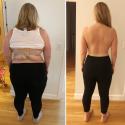
, Tummy Tuck Surgery Treatments in Turkey, Tummy Tuck Surgery Clinic in Istanbul, Tummy Tuck Surgery Treatment Center in Turkey

Can you walk after a tummy tuck?

Can you walk after a tummy tuck? By the end of the week, you should be able to engage in light activity or household chores and walk without assistance. Week Two: By the end of week two, you should be able to walk twice daily for 10 to 15 minutes, a habit you can form now that will help you succeed in staying fit after your tummy tuck.
Who doesn’t wish a flat-board stomach ?
A belly that belies gravity and is as toned as the best athletes is almost every one’s most cherished dream. This, however, is a wish that rarely comes true for most unless you put in relentless hours of sweating at the gym.
A pot belly not only mars your personality but also irreparably damages self confidence, especially when you cross a certain age. You would do well to opt for an aesthetic tummy tuck procedure if you-
Have deposits of unwanted fat in and around your abdominal region
Suffer from some sort of eating or weight disorder either congenital or hereditary in origin
Have sagging tummy skin that just won’t go away
Stubborn abdominal concentration of fats reluctant to melt even after putting in the best of efforts
Any and all of these signs indicate a tummy tuck surgery that would alleviate all your woes.
  • What are the steps of a tummy tuck procedure?
A tummy tuck procedure includes the following steps:
  • Step 1 - Anesthesia
Medications are administered for your comfort during the surgical procedures. The choices include intravenous sedation and general anesthesia. Your doctor will recommend the best choice for you.
  • Step 2 – The incision
A full tummy tuck requires a horizontally-oriented incision in the area between the pubic hairline and belly button.
The shape and length of the incision will be determined by the amount of excess skin. Once the abdominal skin is lifted, the underlying weakened abdominal muscles are repaired.
A second incision around the navel may be necessary to remove excess skin in the upper abdomen.
Tummy tuck incision front abdomen sutures
The upper abdominal skin is pulled down like a window shade. The excess skin is trimmed and the remaining skin is sutured together. A new opening for the belly button is created. The belly button is popped through to the surface and sutured into position.
Tummy tuck side before and after
  • Step 3 – Closing the incisions
Sutures, skin adhesives, tapes or clips close the skin incisions.
  • Step 4 – See the results
Your tummy tuck will result in a flatter, firmer abdominal contour that is more proportionate with your body type and weight.
A tummy tuck is a cosmetic surgical procedure to improve the appearance of the abdomen.
During a tummy tuck — also known as abdominoplasty — excess skin and fat are removed from the abdomen. Connective tissue in the abdomen (fascia) usually is tightened with sutures as well. The remaining skin is then repositioned to create a more toned look.
You might choose to have a tummy tuck if you have excess fat or skin around the area of your bellybutton or a weak lower abdominal wall. A tummy tuck can also boost your body image.
Why it's done
There are a number of reasons you might have excess fat, poor elasticity of the skin or weakened connective tissue in your abdomen. These include:
  • Significant changes in weight
  • Pregnancy
  • Abdominal surgery, such as a C-section
  • Aging
  • Your natural body type
A tummy tuck can remove loose, excess skin and fat, and tighten weak fascia. A tummy tuck can also remove stretch marks and excess skin in the lower abdomen below the bellybutton. However, a tummy tuck won't correct stretch marks outside of this area.
If you've previously had a C-section, your plastic surgeon might be able to incorporate your existing C-section scar into your tummy tuck scar.
A tummy tuck can also be done in combination with other body contouring cosmetic procedures, such as breast surgery. If you've had fat removed from your abdomen (liposuction), you may decide to have a tummy tuck because liposuction removes tissue just under the skin and fat but not any excess skin.
A tummy tuck isn't for everyone. Your doctor might caution against a tummy tuck if you:
  • Plan to lose a significant amount of weight
  • Might consider future pregnancy
  • Have a severe chronic condition, such as heart disease or diabetes
  • Have a body mass index that's greater than 30
  • Are a smoker
  • Had a previous abdominal surgery that caused significant scar tissue
, Tummy Tuck Surgery Treatments in Turkey, Tummy Tuck Surgery Clinic in Istanbul, Tummy Tuck Surgery Treatment Center in Turkey

When can I wear jeans after tummy tuck?

When can I wear jeans after tummy tuck? After the first 6 weeks post surgery, there are no clothing or garment restrictions. Whatever is comfortable for the patient is ok to wear at that time.
Who doesn’t wish a flat-board stomach ?
A belly that belies gravity and is as toned as the best athletes is almost every one’s most cherished dream. This, however, is a wish that rarely comes true for most unless you put in relentless hours of sweating at the gym.
A pot belly not only mars your personality but also irreparably damages self confidence, especially when you cross a certain age. You would do well to opt for an aesthetic tummy tuck procedure if you-
Have deposits of unwanted fat in and around your abdominal region
Suffer from some sort of eating or weight disorder either congenital or hereditary in origin
Have sagging tummy skin that just won’t go away
Stubborn abdominal concentration of fats reluctant to melt even after putting in the best of efforts
Any and all of these signs indicate a tummy tuck surgery that would alleviate all your woes.
  • What are the steps of a tummy tuck procedure?
A tummy tuck procedure includes the following steps:
  • Step 1 - Anesthesia
Medications are administered for your comfort during the surgical procedures. The choices include intravenous sedation and general anesthesia. Your doctor will recommend the best choice for you.
  • Step 2 – The incision
A full tummy tuck requires a horizontally-oriented incision in the area between the pubic hairline and belly button.
The shape and length of the incision will be determined by the amount of excess skin. Once the abdominal skin is lifted, the underlying weakened abdominal muscles are repaired.
A second incision around the navel may be necessary to remove excess skin in the upper abdomen.
Tummy tuck incision front abdomen sutures
The upper abdominal skin is pulled down like a window shade. The excess skin is trimmed and the remaining skin is sutured together. A new opening for the belly button is created. The belly button is popped through to the surface and sutured into position.
Tummy tuck side before and after
  • Step 3 – Closing the incisions
Sutures, skin adhesives, tapes or clips close the skin incisions.
  • Step 4 – See the results
Your tummy tuck will result in a flatter, firmer abdominal contour that is more proportionate with your body type and weight.
A tummy tuck is a cosmetic surgical procedure to improve the appearance of the abdomen.
During a tummy tuck — also known as abdominoplasty — excess skin and fat are removed from the abdomen. Connective tissue in the abdomen (fascia) usually is tightened with sutures as well. The remaining skin is then repositioned to create a more toned look.
You might choose to have a tummy tuck if you have excess fat or skin around the area of your bellybutton or a weak lower abdominal wall. A tummy tuck can also boost your body image.
Why it's done
There are a number of reasons you might have excess fat, poor elasticity of the skin or weakened connective tissue in your abdomen. These include:
  • Significant changes in weight
  • Pregnancy
  • Abdominal surgery, such as a C-section
  • Aging
  • Your natural body type
A tummy tuck can remove loose, excess skin and fat, and tighten weak fascia. A tummy tuck can also remove stretch marks and excess skin in the lower abdomen below the bellybutton. However, a tummy tuck won't correct stretch marks outside of this area.
If you've previously had a C-section, your plastic surgeon might be able to incorporate your existing C-section scar into your tummy tuck scar.
A tummy tuck can also be done in combination with other body contouring cosmetic procedures, such as breast surgery. If you've had fat removed from your abdomen (liposuction), you may decide to have a tummy tuck because liposuction removes tissue just under the skin and fat but not any excess skin.
A tummy tuck isn't for everyone. Your doctor might caution against a tummy tuck if you:
  • Plan to lose a significant amount of weight
  • Might consider future pregnancy
  • Have a severe chronic condition, such as heart disease or diabetes
  • Have a body mass index that's greater than 30
  • Are a smoker
  • Had a previous abdominal surgery that caused significant scar tissue

, Tummy Tuck Surgery Treatments in Turkey, Tummy Tuck Surgery Clinic in Istanbul, Tummy Tuck Surgery Treatment Center in Turkey

What are the do's and don'ts after a tummy tuck?

What are the do's and don'ts after a tummy tuck? Don't Be Inactive, but Be Careful - Exercise helps prevent blood clots, so try to get up and walk around the room every hour. However, avoid activities that strain you, and avoid heavy lifting, and prolonged standing for the first week. You won't be able to lift weights, lift your kids, or do crunches for several weeks
Who doesn’t wish a flat-board stomach ?
A belly that belies gravity and is as toned as the best athletes is almost every one’s most cherished dream. This, however, is a wish that rarely comes true for most unless you put in relentless hours of sweating at the gym.
A pot belly not only mars your personality but also irreparably damages self confidence, especially when you cross a certain age. You would do well to opt for an aesthetic tummy tuck procedure if you-
Have deposits of unwanted fat in and around your abdominal region
Suffer from some sort of eating or weight disorder either congenital or hereditary in origin
Have sagging tummy skin that just won’t go away
Stubborn abdominal concentration of fats reluctant to melt even after putting in the best of efforts
Any and all of these signs indicate a tummy tuck surgery that would alleviate all your woes.
  • What are the steps of a tummy tuck procedure?
A tummy tuck procedure includes the following steps:
  • Step 1 - Anesthesia
Medications are administered for your comfort during the surgical procedures. The choices include intravenous sedation and general anesthesia. Your doctor will recommend the best choice for you.
  • Step 2 – The incision
A full tummy tuck requires a horizontally-oriented incision in the area between the pubic hairline and belly button.
The shape and length of the incision will be determined by the amount of excess skin. Once the abdominal skin is lifted, the underlying weakened abdominal muscles are repaired.
A second incision around the navel may be necessary to remove excess skin in the upper abdomen.
Tummy tuck incision front abdomen sutures
The upper abdominal skin is pulled down like a window shade. The excess skin is trimmed and the remaining skin is sutured together. A new opening for the belly button is created. The belly button is popped through to the surface and sutured into position.
Tummy tuck side before and after
  • Step 3 – Closing the incisions
Sutures, skin adhesives, tapes or clips close the skin incisions.
  • Step 4 – See the results
Your tummy tuck will result in a flatter, firmer abdominal contour that is more proportionate with your body type and weight.
A tummy tuck is a cosmetic surgical procedure to improve the appearance of the abdomen.
During a tummy tuck — also known as abdominoplasty — excess skin and fat are removed from the abdomen. Connective tissue in the abdomen (fascia) usually is tightened with sutures as well. The remaining skin is then repositioned to create a more toned look.
You might choose to have a tummy tuck if you have excess fat or skin around the area of your bellybutton or a weak lower abdominal wall. A tummy tuck can also boost your body image.
Why it's done
There are a number of reasons you might have excess fat, poor elasticity of the skin or weakened connective tissue in your abdomen. These include:
  • Significant changes in weight
  • Pregnancy
  • Abdominal surgery, such as a C-section
  • Aging
  • Your natural body type
A tummy tuck can remove loose, excess skin and fat, and tighten weak fascia. A tummy tuck can also remove stretch marks and excess skin in the lower abdomen below the bellybutton. However, a tummy tuck won't correct stretch marks outside of this area.
If you've previously had a C-section, your plastic surgeon might be able to incorporate your existing C-section scar into your tummy tuck scar.
A tummy tuck can also be done in combination with other body contouring cosmetic procedures, such as breast surgery. If you've had fat removed from your abdomen (liposuction), you may decide to have a tummy tuck because liposuction removes tissue just under the skin and fat but not any excess skin.
A tummy tuck isn't for everyone. Your doctor might caution against a tummy tuck if you:
  • Plan to lose a significant amount of weight
  • Might consider future pregnancy
  • Have a severe chronic condition, such as heart disease or diabetes
  • Have a body mass index that's greater than 30
  • Are a smoker
  • Had a previous abdominal surgery that caused significant scar tissue
, Tummy Tuck Surgery Treatments in Turkey, Tummy Tuck Surgery Clinic in Istanbul, Tummy Tuck Surgery Treatment Center in Turkey

Can I drink coffee before tummy tuck?

Can I drink coffee before tummy tuck? Drink a lot of water, i.e., 8 to 10 glasses every day. Soda, tea, coffee, and other beverages can be added, but aren't included in that count, so think water, water, water!
Who doesn’t wish a flat-board stomach ?
A belly that belies gravity and is as toned as the best athletes is almost every one’s most cherished dream. This, however, is a wish that rarely comes true for most unless you put in relentless hours of sweating at the gym.
A pot belly not only mars your personality but also irreparably damages self confidence, especially when you cross a certain age. You would do well to opt for an aesthetic tummy tuck procedure if you-
Have deposits of unwanted fat in and around your abdominal region
Suffer from some sort of eating or weight disorder either congenital or hereditary in origin
Have sagging tummy skin that just won’t go away
Stubborn abdominal concentration of fats reluctant to melt even after putting in the best of efforts
Any and all of these signs indicate a tummy tuck surgery that would alleviate all your woes.
  • What are the steps of a tummy tuck procedure?
A tummy tuck procedure includes the following steps:
  • Step 1 - Anesthesia
Medications are administered for your comfort during the surgical procedures. The choices include intravenous sedation and general anesthesia. Your doctor will recommend the best choice for you.
  • Step 2 – The incision
A full tummy tuck requires a horizontally-oriented incision in the area between the pubic hairline and belly button.
The shape and length of the incision will be determined by the amount of excess skin. Once the abdominal skin is lifted, the underlying weakened abdominal muscles are repaired.
A second incision around the navel may be necessary to remove excess skin in the upper abdomen.
Tummy tuck incision front abdomen sutures
The upper abdominal skin is pulled down like a window shade. The excess skin is trimmed and the remaining skin is sutured together. A new opening for the belly button is created. The belly button is popped through to the surface and sutured into position.
Tummy tuck side before and after
  • Step 3 – Closing the incisions
Sutures, skin adhesives, tapes or clips close the skin incisions.
  • Step 4 – See the results
Your tummy tuck will result in a flatter, firmer abdominal contour that is more proportionate with your body type and weight.
A tummy tuck is a cosmetic surgical procedure to improve the appearance of the abdomen.
During a tummy tuck — also known as abdominoplasty — excess skin and fat are removed from the abdomen. Connective tissue in the abdomen (fascia) usually is tightened with sutures as well. The remaining skin is then repositioned to create a more toned look.
You might choose to have a tummy tuck if you have excess fat or skin around the area of your bellybutton or a weak lower abdominal wall. A tummy tuck can also boost your body image.
Why it's done
There are a number of reasons you might have excess fat, poor elasticity of the skin or weakened connective tissue in your abdomen. These include:
  • Significant changes in weight
  • Pregnancy
  • Abdominal surgery, such as a C-section
  • Aging
  • Your natural body type
A tummy tuck can remove loose, excess skin and fat, and tighten weak fascia. A tummy tuck can also remove stretch marks and excess skin in the lower abdomen below the bellybutton. However, a tummy tuck won't correct stretch marks outside of this area.
If you've previously had a C-section, your plastic surgeon might be able to incorporate your existing C-section scar into your tummy tuck scar.
A tummy tuck can also be done in combination with other body contouring cosmetic procedures, such as breast surgery. If you've had fat removed from your abdomen (liposuction), you may decide to have a tummy tuck because liposuction removes tissue just under the skin and fat but not any excess skin.
A tummy tuck isn't for everyone. Your doctor might caution against a tummy tuck if you:
  • Plan to lose a significant amount of weight
  • Might consider future pregnancy
  • Have a severe chronic condition, such as heart disease or diabetes
  • Have a body mass index that's greater than 30
  • Are a smoker
  • Had a previous abdominal surgery that caused significant scar tissue
, Tummy Tuck Surgery Treatments in Turkey, Tummy Tuck Surgery Clinic in Istanbul, Tummy Tuck Surgery Treatment Center in Turkey

What should I do the night before my tummy tuck?

What should I do the night before my tummy tuck? The Day Before Your Tummy Tuck - Drink plenty of fluids containing electrolytes (Gatorade, Smartwater, etc.) during the day. The evening before your surgery eat a high protein and low fat dinner such as a grilled chicken salad. Set out a few comfortable outfits to wear over the next several days.
Who doesn’t wish a flat-board stomach ?
A belly that belies gravity and is as toned as the best athletes is almost every one’s most cherished dream. This, however, is a wish that rarely comes true for most unless you put in relentless hours of sweating at the gym.
A pot belly not only mars your personality but also irreparably damages self confidence, especially when you cross a certain age. You would do well to opt for an aesthetic tummy tuck procedure if you-
Have deposits of unwanted fat in and around your abdominal region
Suffer from some sort of eating or weight disorder either congenital or hereditary in origin
Have sagging tummy skin that just won’t go away
Stubborn abdominal concentration of fats reluctant to melt even after putting in the best of efforts
Any and all of these signs indicate a tummy tuck surgery that would alleviate all your woes.
  • What are the steps of a tummy tuck procedure?
A tummy tuck procedure includes the following steps:
  • Step 1 - Anesthesia
Medications are administered for your comfort during the surgical procedures. The choices include intravenous sedation and general anesthesia. Your doctor will recommend the best choice for you.
  • Step 2 – The incision
A full tummy tuck requires a horizontally-oriented incision in the area between the pubic hairline and belly button.
The shape and length of the incision will be determined by the amount of excess skin. Once the abdominal skin is lifted, the underlying weakened abdominal muscles are repaired.
A second incision around the navel may be necessary to remove excess skin in the upper abdomen.
Tummy tuck incision front abdomen sutures
The upper abdominal skin is pulled down like a window shade. The excess skin is trimmed and the remaining skin is sutured together. A new opening for the belly button is created. The belly button is popped through to the surface and sutured into position.
Tummy tuck side before and after
  • Step 3 – Closing the incisions
Sutures, skin adhesives, tapes or clips close the skin incisions.
  • Step 4 – See the results
Your tummy tuck will result in a flatter, firmer abdominal contour that is more proportionate with your body type and weight.
A tummy tuck is a cosmetic surgical procedure to improve the appearance of the abdomen.
During a tummy tuck — also known as abdominoplasty — excess skin and fat are removed from the abdomen. Connective tissue in the abdomen (fascia) usually is tightened with sutures as well. The remaining skin is then repositioned to create a more toned look.
You might choose to have a tummy tuck if you have excess fat or skin around the area of your bellybutton or a weak lower abdominal wall. A tummy tuck can also boost your body image.
Why it's done
There are a number of reasons you might have excess fat, poor elasticity of the skin or weakened connective tissue in your abdomen. These include:
  • Significant changes in weight
  • Pregnancy
  • Abdominal surgery, such as a C-section
  • Aging
  • Your natural body type
A tummy tuck can remove loose, excess skin and fat, and tighten weak fascia. A tummy tuck can also remove stretch marks and excess skin in the lower abdomen below the bellybutton. However, a tummy tuck won't correct stretch marks outside of this area.
If you've previously had a C-section, your plastic surgeon might be able to incorporate your existing C-section scar into your tummy tuck scar.
A tummy tuck can also be done in combination with other body contouring cosmetic procedures, such as breast surgery. If you've had fat removed from your abdomen (liposuction), you may decide to have a tummy tuck because liposuction removes tissue just under the skin and fat but not any excess skin.
A tummy tuck isn't for everyone. Your doctor might caution against a tummy tuck if you:
  • Plan to lose a significant amount of weight
  • Might consider future pregnancy
  • Have a severe chronic condition, such as heart disease or diabetes
  • Have a body mass index that's greater than 30
  • Are a smoker
  • Had a previous abdominal surgery that caused significant scar tissue
, Tummy Tuck Surgery Treatments in Turkey, Tummy Tuck Surgery Clinic in Istanbul, Tummy Tuck Surgery Treatment Center in Turkey

When should I poop after tummy tuck?

When should I poop after tummy tuck? Also, you will probably not poop for several days at first, so expect a good 3-5 days worth of poop on your first time.
Who doesn’t wish a flat-board stomach ?
A belly that belies gravity and is as toned as the best athletes is almost every one’s most cherished dream. This, however, is a wish that rarely comes true for most unless you put in relentless hours of sweating at the gym.
A pot belly not only mars your personality but also irreparably damages self confidence, especially when you cross a certain age. You would do well to opt for an aesthetic tummy tuck procedure if you-
Have deposits of unwanted fat in and around your abdominal region
Suffer from some sort of eating or weight disorder either congenital or hereditary in origin
Have sagging tummy skin that just won’t go away
Stubborn abdominal concentration of fats reluctant to melt even after putting in the best of efforts
Any and all of these signs indicate a tummy tuck surgery that would alleviate all your woes.
  • What are the steps of a tummy tuck procedure?
A tummy tuck procedure includes the following steps:
  • Step 1 - Anesthesia
Medications are administered for your comfort during the surgical procedures. The choices include intravenous sedation and general anesthesia. Your doctor will recommend the best choice for you.
  • Step 2 – The incision
A full tummy tuck requires a horizontally-oriented incision in the area between the pubic hairline and belly button.
The shape and length of the incision will be determined by the amount of excess skin. Once the abdominal skin is lifted, the underlying weakened abdominal muscles are repaired.
A second incision around the navel may be necessary to remove excess skin in the upper abdomen.
Tummy tuck incision front abdomen sutures
The upper abdominal skin is pulled down like a window shade. The excess skin is trimmed and the remaining skin is sutured together. A new opening for the belly button is created. The belly button is popped through to the surface and sutured into position.
Tummy tuck side before and after
  • Step 3 – Closing the incisions
Sutures, skin adhesives, tapes or clips close the skin incisions.
  • Step 4 – See the results
Your tummy tuck will result in a flatter, firmer abdominal contour that is more proportionate with your body type and weight.
A tummy tuck is a cosmetic surgical procedure to improve the appearance of the abdomen.
During a tummy tuck — also known as abdominoplasty — excess skin and fat are removed from the abdomen. Connective tissue in the abdomen (fascia) usually is tightened with sutures as well. The remaining skin is then repositioned to create a more toned look.
You might choose to have a tummy tuck if you have excess fat or skin around the area of your bellybutton or a weak lower abdominal wall. A tummy tuck can also boost your body image.
Why it's done
There are a number of reasons you might have excess fat, poor elasticity of the skin or weakened connective tissue in your abdomen. These include:
  • Significant changes in weight
  • Pregnancy
  • Abdominal surgery, such as a C-section
  • Aging
  • Your natural body type
A tummy tuck can remove loose, excess skin and fat, and tighten weak fascia. A tummy tuck can also remove stretch marks and excess skin in the lower abdomen below the bellybutton. However, a tummy tuck won't correct stretch marks outside of this area.
If you've previously had a C-section, your plastic surgeon might be able to incorporate your existing C-section scar into your tummy tuck scar.
A tummy tuck can also be done in combination with other body contouring cosmetic procedures, such as breast surgery. If you've had fat removed from your abdomen (liposuction), you may decide to have a tummy tuck because liposuction removes tissue just under the skin and fat but not any excess skin.
A tummy tuck isn't for everyone. Your doctor might caution against a tummy tuck if you:
  • Plan to lose a significant amount of weight
  • Might consider future pregnancy
  • Have a severe chronic condition, such as heart disease or diabetes
  • Have a body mass index that's greater than 30
  • Are a smoker
  • Had a previous abdominal surgery that caused significant scar tissue
, Tummy Tuck Surgery Treatments in Turkey, Tummy Tuck Surgery Clinic in Istanbul, Tummy Tuck Surgery Treatment Center in Turkey

What happens if I shaved before surgery?

What happens if I shaved before surgery? Do not shave or wax any area on your body for a week before surgery (legs, bikini, underarms, etc.). Shaving can nick the skin and increase the risk of wound infection. If hair needs to be removed, it will be done at the hospital.
Who doesn’t wish a flat-board stomach ?
A belly that belies gravity and is as toned as the best athletes is almost every one’s most cherished dream. This, however, is a wish that rarely comes true for most unless you put in relentless hours of sweating at the gym.
A pot belly not only mars your personality but also irreparably damages self confidence, especially when you cross a certain age. You would do well to opt for an aesthetic tummy tuck procedure if you-
Have deposits of unwanted fat in and around your abdominal region
Suffer from some sort of eating or weight disorder either congenital or hereditary in origin
Have sagging tummy skin that just won’t go away
Stubborn abdominal concentration of fats reluctant to melt even after putting in the best of efforts
Any and all of these signs indicate a tummy tuck surgery that would alleviate all your woes.
  • What are the steps of a tummy tuck procedure?
A tummy tuck procedure includes the following steps:
  • Step 1 - Anesthesia
Medications are administered for your comfort during the surgical procedures. The choices include intravenous sedation and general anesthesia. Your doctor will recommend the best choice for you.
  • Step 2 – The incision
A full tummy tuck requires a horizontally-oriented incision in the area between the pubic hairline and belly button.
The shape and length of the incision will be determined by the amount of excess skin. Once the abdominal skin is lifted, the underlying weakened abdominal muscles are repaired.
A second incision around the navel may be necessary to remove excess skin in the upper abdomen.
Tummy tuck incision front abdomen sutures
The upper abdominal skin is pulled down like a window shade. The excess skin is trimmed and the remaining skin is sutured together. A new opening for the belly button is created. The belly button is popped through to the surface and sutured into position.
Tummy tuck side before and after
  • Step 3 – Closing the incisions
Sutures, skin adhesives, tapes or clips close the skin incisions.
  • Step 4 – See the results
Your tummy tuck will result in a flatter, firmer abdominal contour that is more proportionate with your body type and weight.
A tummy tuck is a cosmetic surgical procedure to improve the appearance of the abdomen.
During a tummy tuck — also known as abdominoplasty — excess skin and fat are removed from the abdomen. Connective tissue in the abdomen (fascia) usually is tightened with sutures as well. The remaining skin is then repositioned to create a more toned look.
You might choose to have a tummy tuck if you have excess fat or skin around the area of your bellybutton or a weak lower abdominal wall. A tummy tuck can also boost your body image.
Why it's done
There are a number of reasons you might have excess fat, poor elasticity of the skin or weakened connective tissue in your abdomen. These include:
  • Significant changes in weight
  • Pregnancy
  • Abdominal surgery, such as a C-section
  • Aging
  • Your natural body type
A tummy tuck can remove loose, excess skin and fat, and tighten weak fascia. A tummy tuck can also remove stretch marks and excess skin in the lower abdomen below the bellybutton. However, a tummy tuck won't correct stretch marks outside of this area.
If you've previously had a C-section, your plastic surgeon might be able to incorporate your existing C-section scar into your tummy tuck scar.
A tummy tuck can also be done in combination with other body contouring cosmetic procedures, such as breast surgery. If you've had fat removed from your abdomen (liposuction), you may decide to have a tummy tuck because liposuction removes tissue just under the skin and fat but not any excess skin.
A tummy tuck isn't for everyone. Your doctor might caution against a tummy tuck if you:
  • Plan to lose a significant amount of weight
  • Might consider future pregnancy
  • Have a severe chronic condition, such as heart disease or diabetes
  • Have a body mass index that's greater than 30
  • Are a smoker
  • Had a previous abdominal surgery that caused significant scar tissue

, Tummy Tuck Surgery Treatments in Turkey, Tummy Tuck Surgery Clinic in Istanbul, Tummy Tuck Surgery Treatment Center in Turkey

How do you poop after a tummy tuck?

How do you poop after a tummy tuck? Be sure to continue a low sodium diet full of healthy foods and drink plenty of fluids to help your bowel movements, overall healing, and mood. Listen to your body and don't overdo any physical activities—continue to keep moving, but take it easy.
Who doesn’t wish a flat-board stomach ?
A belly that belies gravity and is as toned as the best athletes is almost every one’s most cherished dream. This, however, is a wish that rarely comes true for most unless you put in relentless hours of sweating at the gym.
A pot belly not only mars your personality but also irreparably damages self confidence, especially when you cross a certain age. You would do well to opt for an aesthetic tummy tuck procedure if you-
Have deposits of unwanted fat in and around your abdominal region
Suffer from some sort of eating or weight disorder either congenital or hereditary in origin
Have sagging tummy skin that just won’t go away
Stubborn abdominal concentration of fats reluctant to melt even after putting in the best of efforts
Any and all of these signs indicate a tummy tuck surgery that would alleviate all your woes.
  • What are the steps of a tummy tuck procedure?
A tummy tuck procedure includes the following steps:
  • Step 1 - Anesthesia
Medications are administered for your comfort during the surgical procedures. The choices include intravenous sedation and general anesthesia. Your doctor will recommend the best choice for you.
  • Step 2 – The incision
A full tummy tuck requires a horizontally-oriented incision in the area between the pubic hairline and belly button.
The shape and length of the incision will be determined by the amount of excess skin. Once the abdominal skin is lifted, the underlying weakened abdominal muscles are repaired.
A second incision around the navel may be necessary to remove excess skin in the upper abdomen.
Tummy tuck incision front abdomen sutures
The upper abdominal skin is pulled down like a window shade. The excess skin is trimmed and the remaining skin is sutured together. A new opening for the belly button is created. The belly button is popped through to the surface and sutured into position.
Tummy tuck side before and after
  • Step 3 – Closing the incisions
Sutures, skin adhesives, tapes or clips close the skin incisions.
  • Step 4 – See the results
Your tummy tuck will result in a flatter, firmer abdominal contour that is more proportionate with your body type and weight.
A tummy tuck is a cosmetic surgical procedure to improve the appearance of the abdomen.
During a tummy tuck — also known as abdominoplasty — excess skin and fat are removed from the abdomen. Connective tissue in the abdomen (fascia) usually is tightened with sutures as well. The remaining skin is then repositioned to create a more toned look.
You might choose to have a tummy tuck if you have excess fat or skin around the area of your bellybutton or a weak lower abdominal wall. A tummy tuck can also boost your body image.
Why it's done
There are a number of reasons you might have excess fat, poor elasticity of the skin or weakened connective tissue in your abdomen. These include:
  • Significant changes in weight
  • Pregnancy
  • Abdominal surgery, such as a C-section
  • Aging
  • Your natural body type
A tummy tuck can remove loose, excess skin and fat, and tighten weak fascia. A tummy tuck can also remove stretch marks and excess skin in the lower abdomen below the bellybutton. However, a tummy tuck won't correct stretch marks outside of this area.
If you've previously had a C-section, your plastic surgeon might be able to incorporate your existing C-section scar into your tummy tuck scar.
A tummy tuck can also be done in combination with other body contouring cosmetic procedures, such as breast surgery. If you've had fat removed from your abdomen (liposuction), you may decide to have a tummy tuck because liposuction removes tissue just under the skin and fat but not any excess skin.
A tummy tuck isn't for everyone. Your doctor might caution against a tummy tuck if you:
  • Plan to lose a significant amount of weight
  • Might consider future pregnancy
  • Have a severe chronic condition, such as heart disease or diabetes
  • Have a body mass index that's greater than 30
  • Are a smoker
  • Had a previous abdominal surgery that caused significant scar tissue
, Tummy Tuck Surgery Treatments in Turkey, Tummy Tuck Surgery Clinic in Istanbul, Tummy Tuck Surgery Treatment Center in Turkey

Is it easier to lose weight after tummy tuck?

Is it easier to lose weight after tummy tuck? If you are seeking abdominoplasty to restore your stomach after an injury, pregnancy, natural weight loss, or age, you probably will only lose two to five pounds of excess skin after this procedure. However, losing excess skin can make exercise easier. This can spur significant weight loss after the procedure.
Who doesn’t wish a flat-board stomach ?
A belly that belies gravity and is as toned as the best athletes is almost every one’s most cherished dream. This, however, is a wish that rarely comes true for most unless you put in relentless hours of sweating at the gym.
A pot belly not only mars your personality but also irreparably damages self confidence, especially when you cross a certain age. You would do well to opt for an aesthetic tummy tuck procedure if you-
Have deposits of unwanted fat in and around your abdominal region
Suffer from some sort of eating or weight disorder either congenital or hereditary in origin
Have sagging tummy skin that just won’t go away
Stubborn abdominal concentration of fats reluctant to melt even after putting in the best of efforts
Any and all of these signs indicate a tummy tuck surgery that would alleviate all your woes.
  • What are the steps of a tummy tuck procedure?
A tummy tuck procedure includes the following steps:
  • Step 1 - Anesthesia
Medications are administered for your comfort during the surgical procedures. The choices include intravenous sedation and general anesthesia. Your doctor will recommend the best choice for you.
  • Step 2 – The incision
A full tummy tuck requires a horizontally-oriented incision in the area between the pubic hairline and belly button.
The shape and length of the incision will be determined by the amount of excess skin. Once the abdominal skin is lifted, the underlying weakened abdominal muscles are repaired.
A second incision around the navel may be necessary to remove excess skin in the upper abdomen.
Tummy tuck incision front abdomen sutures
The upper abdominal skin is pulled down like a window shade. The excess skin is trimmed and the remaining skin is sutured together. A new opening for the belly button is created. The belly button is popped through to the surface and sutured into position.
Tummy tuck side before and after
  • Step 3 – Closing the incisions
Sutures, skin adhesives, tapes or clips close the skin incisions.
  • Step 4 – See the results
Your tummy tuck will result in a flatter, firmer abdominal contour that is more proportionate with your body type and weight.
A tummy tuck is a cosmetic surgical procedure to improve the appearance of the abdomen.
During a tummy tuck — also known as abdominoplasty — excess skin and fat are removed from the abdomen. Connective tissue in the abdomen (fascia) usually is tightened with sutures as well. The remaining skin is then repositioned to create a more toned look.
You might choose to have a tummy tuck if you have excess fat or skin around the area of your bellybutton or a weak lower abdominal wall. A tummy tuck can also boost your body image.
Why it's done
There are a number of reasons you might have excess fat, poor elasticity of the skin or weakened connective tissue in your abdomen. These include:
  • Significant changes in weight
  • Pregnancy
  • Abdominal surgery, such as a C-section
  • Aging
  • Your natural body type
A tummy tuck can remove loose, excess skin and fat, and tighten weak fascia. A tummy tuck can also remove stretch marks and excess skin in the lower abdomen below the bellybutton. However, a tummy tuck won't correct stretch marks outside of this area.
If you've previously had a C-section, your plastic surgeon might be able to incorporate your existing C-section scar into your tummy tuck scar.
A tummy tuck can also be done in combination with other body contouring cosmetic procedures, such as breast surgery. If you've had fat removed from your abdomen (liposuction), you may decide to have a tummy tuck because liposuction removes tissue just under the skin and fat but not any excess skin.
A tummy tuck isn't for everyone. Your doctor might caution against a tummy tuck if you:
  • Plan to lose a significant amount of weight
  • Might consider future pregnancy
  • Have a severe chronic condition, such as heart disease or diabetes
  • Have a body mass index that's greater than 30
  • Are a smoker
  • Had a previous abdominal surgery that caused significant scar tissue
, Tummy Tuck Surgery Treatments in Turkey, Tummy Tuck Surgery Clinic in Istanbul, Tummy Tuck Surgery Treatment Center in Turkey

Why is my stomach not flat after a tummy tuck?

Why is my stomach not flat after a tummy tuck? Sometimes people do not have a totally flat abdomen after tummy tuck even though the excess skin and fat is removed due to the fact that the intra-abdominal contents still remain intact and are still behind the tightened abdominal muscles.
Who doesn’t wish a flat-board stomach ?
A belly that belies gravity and is as toned as the best athletes is almost every one’s most cherished dream. This, however, is a wish that rarely comes true for most unless you put in relentless hours of sweating at the gym.
A pot belly not only mars your personality but also irreparably damages self confidence, especially when you cross a certain age. You would do well to opt for an aesthetic tummy tuck procedure if you-
Have deposits of unwanted fat in and around your abdominal region
Suffer from some sort of eating or weight disorder either congenital or hereditary in origin
Have sagging tummy skin that just won’t go away
Stubborn abdominal concentration of fats reluctant to melt even after putting in the best of efforts
Any and all of these signs indicate a tummy tuck surgery that would alleviate all your woes.
  • What are the steps of a tummy tuck procedure?
A tummy tuck procedure includes the following steps:
  • Step 1 - Anesthesia
Medications are administered for your comfort during the surgical procedures. The choices include intravenous sedation and general anesthesia. Your doctor will recommend the best choice for you.
  • Step 2 – The incision
A full tummy tuck requires a horizontally-oriented incision in the area between the pubic hairline and belly button.
The shape and length of the incision will be determined by the amount of excess skin. Once the abdominal skin is lifted, the underlying weakened abdominal muscles are repaired.
A second incision around the navel may be necessary to remove excess skin in the upper abdomen.
Tummy tuck incision front abdomen sutures
The upper abdominal skin is pulled down like a window shade. The excess skin is trimmed and the remaining skin is sutured together. A new opening for the belly button is created. The belly button is popped through to the surface and sutured into position.
Tummy tuck side before and after
  • Step 3 – Closing the incisions
Sutures, skin adhesives, tapes or clips close the skin incisions.
  • Step 4 – See the results
Your tummy tuck will result in a flatter, firmer abdominal contour that is more proportionate with your body type and weight.
A tummy tuck is a cosmetic surgical procedure to improve the appearance of the abdomen.
During a tummy tuck — also known as abdominoplasty — excess skin and fat are removed from the abdomen. Connective tissue in the abdomen (fascia) usually is tightened with sutures as well. The remaining skin is then repositioned to create a more toned look.
You might choose to have a tummy tuck if you have excess fat or skin around the area of your bellybutton or a weak lower abdominal wall. A tummy tuck can also boost your body image.
Why it's done
There are a number of reasons you might have excess fat, poor elasticity of the skin or weakened connective tissue in your abdomen. These include:
  • Significant changes in weight
  • Pregnancy
  • Abdominal surgery, such as a C-section
  • Aging
  • Your natural body type
A tummy tuck can remove loose, excess skin and fat, and tighten weak fascia. A tummy tuck can also remove stretch marks and excess skin in the lower abdomen below the bellybutton. However, a tummy tuck won't correct stretch marks outside of this area.
If you've previously had a C-section, your plastic surgeon might be able to incorporate your existing C-section scar into your tummy tuck scar.
A tummy tuck can also be done in combination with other body contouring cosmetic procedures, such as breast surgery. If you've had fat removed from your abdomen (liposuction), you may decide to have a tummy tuck because liposuction removes tissue just under the skin and fat but not any excess skin.
A tummy tuck isn't for everyone. Your doctor might caution against a tummy tuck if you:
  • Plan to lose a significant amount of weight
  • Might consider future pregnancy
  • Have a severe chronic condition, such as heart disease or diabetes
  • Have a body mass index that's greater than 30
  • Are a smoker
  • Had a previous abdominal surgery that caused significant scar tissue
, Tummy Tuck Surgery Treatments in Turkey, Tummy Tuck Surgery Clinic in Istanbul, Tummy Tuck Surgery Treatment Center in Turkey

Should I shave before tummy tuck?

Should I shave before tummy tuck? It is generally recommended that you do not shave the pubic area before getting a tummy tuck. ... It is felt that shaving several hours or days before the surgery could increase your risk of infection with the surgery.
Who doesn’t wish a flat-board stomach ?
A belly that belies gravity and is as toned as the best athletes is almost every one’s most cherished dream. This, however, is a wish that rarely comes true for most unless you put in relentless hours of sweating at the gym.
A pot belly not only mars your personality but also irreparably damages self confidence, especially when you cross a certain age. You would do well to opt for an aesthetic tummy tuck procedure if you-
Have deposits of unwanted fat in and around your abdominal region
Suffer from some sort of eating or weight disorder either congenital or hereditary in origin
Have sagging tummy skin that just won’t go away
Stubborn abdominal concentration of fats reluctant to melt even after putting in the best of efforts
Any and all of these signs indicate a tummy tuck surgery that would alleviate all your woes.
  • What are the steps of a tummy tuck procedure?
A tummy tuck procedure includes the following steps:
  • Step 1 - Anesthesia
Medications are administered for your comfort during the surgical procedures. The choices include intravenous sedation and general anesthesia. Your doctor will recommend the best choice for you.
  • Step 2 – The incision
A full tummy tuck requires a horizontally-oriented incision in the area between the pubic hairline and belly button.
The shape and length of the incision will be determined by the amount of excess skin. Once the abdominal skin is lifted, the underlying weakened abdominal muscles are repaired.
A second incision around the navel may be necessary to remove excess skin in the upper abdomen.
Tummy tuck incision front abdomen sutures
The upper abdominal skin is pulled down like a window shade. The excess skin is trimmed and the remaining skin is sutured together. A new opening for the belly button is created. The belly button is popped through to the surface and sutured into position.
Tummy tuck side before and after
  • Step 3 – Closing the incisions
Sutures, skin adhesives, tapes or clips close the skin incisions.
  • Step 4 – See the results
Your tummy tuck will result in a flatter, firmer abdominal contour that is more proportionate with your body type and weight.
A tummy tuck is a cosmetic surgical procedure to improve the appearance of the abdomen.
During a tummy tuck — also known as abdominoplasty — excess skin and fat are removed from the abdomen. Connective tissue in the abdomen (fascia) usually is tightened with sutures as well. The remaining skin is then repositioned to create a more toned look.
You might choose to have a tummy tuck if you have excess fat or skin around the area of your bellybutton or a weak lower abdominal wall. A tummy tuck can also boost your body image.
Why it's done
There are a number of reasons you might have excess fat, poor elasticity of the skin or weakened connective tissue in your abdomen. These include:
  • Significant changes in weight
  • Pregnancy
  • Abdominal surgery, such as a C-section
  • Aging
  • Your natural body type
A tummy tuck can remove loose, excess skin and fat, and tighten weak fascia. A tummy tuck can also remove stretch marks and excess skin in the lower abdomen below the bellybutton. However, a tummy tuck won't correct stretch marks outside of this area.
If you've previously had a C-section, your plastic surgeon might be able to incorporate your existing C-section scar into your tummy tuck scar.
A tummy tuck can also be done in combination with other body contouring cosmetic procedures, such as breast surgery. If you've had fat removed from your abdomen (liposuction), you may decide to have a tummy tuck because liposuction removes tissue just under the skin and fat but not any excess skin.
A tummy tuck isn't for everyone. Your doctor might caution against a tummy tuck if you:
  • Plan to lose a significant amount of weight
  • Might consider future pregnancy
  • Have a severe chronic condition, such as heart disease or diabetes
  • Have a body mass index that's greater than 30
  • Are a smoker
  • Had a previous abdominal surgery that caused significant scar tissue
, Tummy Tuck Surgery Treatments in Turkey, Tummy Tuck Surgery Clinic in Istanbul, Tummy Tuck Surgery Treatment Center in Turkey

Why is my stomach still big after tummy tuck?

Why is my stomach still big after tummy tuck? The surgeon tightened the muscles optimally, but you were too active after surgery and stretched the muscles during repair, which resulted in the protrusion. Lie flat on your back. If the stomach is flat, surgical re-tightening of the muscle surgically will help. If the stomach is protruding, you need to lose weight.
Who doesn’t wish a flat-board stomach ?
A belly that belies gravity and is as toned as the best athletes is almost every one’s most cherished dream. This, however, is a wish that rarely comes true for most unless you put in relentless hours of sweating at the gym.
A pot belly not only mars your personality but also irreparably damages self confidence, especially when you cross a certain age. You would do well to opt for an aesthetic tummy tuck procedure if you-
Have deposits of unwanted fat in and around your abdominal region
Suffer from some sort of eating or weight disorder either congenital or hereditary in origin
Have sagging tummy skin that just won’t go away
Stubborn abdominal concentration of fats reluctant to melt even after putting in the best of efforts
Any and all of these signs indicate a tummy tuck surgery that would alleviate all your woes.
  • What are the steps of a tummy tuck procedure?
A tummy tuck procedure includes the following steps:
  • Step 1 - Anesthesia
Medications are administered for your comfort during the surgical procedures. The choices include intravenous sedation and general anesthesia. Your doctor will recommend the best choice for you.
  • Step 2 – The incision
A full tummy tuck requires a horizontally-oriented incision in the area between the pubic hairline and belly button.
The shape and length of the incision will be determined by the amount of excess skin. Once the abdominal skin is lifted, the underlying weakened abdominal muscles are repaired.
A second incision around the navel may be necessary to remove excess skin in the upper abdomen.
Tummy tuck incision front abdomen sutures
The upper abdominal skin is pulled down like a window shade. The excess skin is trimmed and the remaining skin is sutured together. A new opening for the belly button is created. The belly button is popped through to the surface and sutured into position.
Tummy tuck side before and after
  • Step 3 – Closing the incisions
Sutures, skin adhesives, tapes or clips close the skin incisions.
  • Step 4 – See the results
Your tummy tuck will result in a flatter, firmer abdominal contour that is more proportionate with your body type and weight.
A tummy tuck is a cosmetic surgical procedure to improve the appearance of the abdomen.
During a tummy tuck — also known as abdominoplasty — excess skin and fat are removed from the abdomen. Connective tissue in the abdomen (fascia) usually is tightened with sutures as well. The remaining skin is then repositioned to create a more toned look.
You might choose to have a tummy tuck if you have excess fat or skin around the area of your bellybutton or a weak lower abdominal wall. A tummy tuck can also boost your body image.
Why it's done
There are a number of reasons you might have excess fat, poor elasticity of the skin or weakened connective tissue in your abdomen. These include:
  • Significant changes in weight
  • Pregnancy
  • Abdominal surgery, such as a C-section
  • Aging
  • Your natural body type
A tummy tuck can remove loose, excess skin and fat, and tighten weak fascia. A tummy tuck can also remove stretch marks and excess skin in the lower abdomen below the bellybutton. However, a tummy tuck won't correct stretch marks outside of this area.
If you've previously had a C-section, your plastic surgeon might be able to incorporate your existing C-section scar into your tummy tuck scar.
A tummy tuck can also be done in combination with other body contouring cosmetic procedures, such as breast surgery. If you've had fat removed from your abdomen (liposuction), you may decide to have a tummy tuck because liposuction removes tissue just under the skin and fat but not any excess skin.
A tummy tuck isn't for everyone. Your doctor might caution against a tummy tuck if you:
  • Plan to lose a significant amount of weight
  • Might consider future pregnancy
  • Have a severe chronic condition, such as heart disease or diabetes
  • Have a body mass index that's greater than 30
  • Are a smoker
  • Had a previous abdominal surgery that caused significant scar tissue
, Tummy Tuck Surgery Treatments in Turkey, Tummy Tuck Surgery Clinic in Istanbul, Tummy Tuck Surgery Treatment Center in Turkey

What is a hanging stomach called?

What is a hanging stomach called? Also known as a pannus stomach or mother's apron, apron belly occurs when the belly and fat surrounding the internal organs expands due to weight gain or pregnancy, resulting in additional fat deposits in the omentum (an apron-like flap under your abdominal muscles and in front of your intestines.)
Who doesn’t wish a flat-board stomach ?
A belly that belies gravity and is as toned as the best athletes is almost every one’s most cherished dream. This, however, is a wish that rarely comes true for most unless you put in relentless hours of sweating at the gym.
A pot belly not only mars your personality but also irreparably damages self confidence, especially when you cross a certain age. You would do well to opt for an aesthetic tummy tuck procedure if you-
Have deposits of unwanted fat in and around your abdominal region
Suffer from some sort of eating or weight disorder either congenital or hereditary in origin
Have sagging tummy skin that just won’t go away
Stubborn abdominal concentration of fats reluctant to melt even after putting in the best of efforts
Any and all of these signs indicate a tummy tuck surgery that would alleviate all your woes.
  • What are the steps of a tummy tuck procedure?
A tummy tuck procedure includes the following steps:
  • Step 1 - Anesthesia
Medications are administered for your comfort during the surgical procedures. The choices include intravenous sedation and general anesthesia. Your doctor will recommend the best choice for you.
  • Step 2 – The incision
A full tummy tuck requires a horizontally-oriented incision in the area between the pubic hairline and belly button.
The shape and length of the incision will be determined by the amount of excess skin. Once the abdominal skin is lifted, the underlying weakened abdominal muscles are repaired.
A second incision around the navel may be necessary to remove excess skin in the upper abdomen.
Tummy tuck incision front abdomen sutures
The upper abdominal skin is pulled down like a window shade. The excess skin is trimmed and the remaining skin is sutured together. A new opening for the belly button is created. The belly button is popped through to the surface and sutured into position.
Tummy tuck side before and after
  • Step 3 – Closing the incisions
Sutures, skin adhesives, tapes or clips close the skin incisions.
  • Step 4 – See the results
Your tummy tuck will result in a flatter, firmer abdominal contour that is more proportionate with your body type and weight.
A tummy tuck is a cosmetic surgical procedure to improve the appearance of the abdomen.
During a tummy tuck — also known as abdominoplasty — excess skin and fat are removed from the abdomen. Connective tissue in the abdomen (fascia) usually is tightened with sutures as well. The remaining skin is then repositioned to create a more toned look.
You might choose to have a tummy tuck if you have excess fat or skin around the area of your bellybutton or a weak lower abdominal wall. A tummy tuck can also boost your body image.
Why it's done
There are a number of reasons you might have excess fat, poor elasticity of the skin or weakened connective tissue in your abdomen. These include:
  • Significant changes in weight
  • Pregnancy
  • Abdominal surgery, such as a C-section
  • Aging
  • Your natural body type
A tummy tuck can remove loose, excess skin and fat, and tighten weak fascia. A tummy tuck can also remove stretch marks and excess skin in the lower abdomen below the bellybutton. However, a tummy tuck won't correct stretch marks outside of this area.
If you've previously had a C-section, your plastic surgeon might be able to incorporate your existing C-section scar into your tummy tuck scar.
A tummy tuck can also be done in combination with other body contouring cosmetic procedures, such as breast surgery. If you've had fat removed from your abdomen (liposuction), you may decide to have a tummy tuck because liposuction removes tissue just under the skin and fat but not any excess skin.
A tummy tuck isn't for everyone. Your doctor might caution against a tummy tuck if you:
  • Plan to lose a significant amount of weight
  • Might consider future pregnancy
  • Have a severe chronic condition, such as heart disease or diabetes
  • Have a body mass index that's greater than 30
  • Are a smoker
  • Had a previous abdominal surgery that caused significant scar tissue
, Tummy Tuck Surgery Treatments in Turkey, Tummy Tuck Surgery Clinic in Istanbul, Tummy Tuck Surgery Treatment Center in Turkey

Can you still get fat after a tummy tuck?

Can you still get fat after a tummy tuck? Where do patients gain weight after a tummy tuck? During body contouring procedures like a tummy tuck, fat cells are eliminated from the body and cannot return. Because of this, patients may gain weight in other places like the buttocks, legs, arms, and breasts.
Who doesn’t wish a flat-board stomach ?
A belly that belies gravity and is as toned as the best athletes is almost every one’s most cherished dream. This, however, is a wish that rarely comes true for most unless you put in relentless hours of sweating at the gym.
A pot belly not only mars your personality but also irreparably damages self confidence, especially when you cross a certain age. You would do well to opt for an aesthetic tummy tuck procedure if you-
Have deposits of unwanted fat in and around your abdominal region
Suffer from some sort of eating or weight disorder either congenital or hereditary in origin
Have sagging tummy skin that just won’t go away
Stubborn abdominal concentration of fats reluctant to melt even after putting in the best of efforts
Any and all of these signs indicate a tummy tuck surgery that would alleviate all your woes.
  • What are the steps of a tummy tuck procedure?
A tummy tuck procedure includes the following steps:
  • Step 1 - Anesthesia
Medications are administered for your comfort during the surgical procedures. The choices include intravenous sedation and general anesthesia. Your doctor will recommend the best choice for you.
  • Step 2 – The incision
A full tummy tuck requires a horizontally-oriented incision in the area between the pubic hairline and belly button.
The shape and length of the incision will be determined by the amount of excess skin. Once the abdominal skin is lifted, the underlying weakened abdominal muscles are repaired.
A second incision around the navel may be necessary to remove excess skin in the upper abdomen.
Tummy tuck incision front abdomen sutures
The upper abdominal skin is pulled down like a window shade. The excess skin is trimmed and the remaining skin is sutured together. A new opening for the belly button is created. The belly button is popped through to the surface and sutured into position.
Tummy tuck side before and after
  • Step 3 – Closing the incisions
Sutures, skin adhesives, tapes or clips close the skin incisions.
  • Step 4 – See the results
Your tummy tuck will result in a flatter, firmer abdominal contour that is more proportionate with your body type and weight.
A tummy tuck is a cosmetic surgical procedure to improve the appearance of the abdomen.
During a tummy tuck — also known as abdominoplasty — excess skin and fat are removed from the abdomen. Connective tissue in the abdomen (fascia) usually is tightened with sutures as well. The remaining skin is then repositioned to create a more toned look.
You might choose to have a tummy tuck if you have excess fat or skin around the area of your bellybutton or a weak lower abdominal wall. A tummy tuck can also boost your body image.
Why it's done
There are a number of reasons you might have excess fat, poor elasticity of the skin or weakened connective tissue in your abdomen. These include:
  • Significant changes in weight
  • Pregnancy
  • Abdominal surgery, such as a C-section
  • Aging
  • Your natural body type
A tummy tuck can remove loose, excess skin and fat, and tighten weak fascia. A tummy tuck can also remove stretch marks and excess skin in the lower abdomen below the bellybutton. However, a tummy tuck won't correct stretch marks outside of this area.
If you've previously had a C-section, your plastic surgeon might be able to incorporate your existing C-section scar into your tummy tuck scar.
A tummy tuck can also be done in combination with other body contouring cosmetic procedures, such as breast surgery. If you've had fat removed from your abdomen (liposuction), you may decide to have a tummy tuck because liposuction removes tissue just under the skin and fat but not any excess skin.
A tummy tuck isn't for everyone. Your doctor might caution against a tummy tuck if you:
  • Plan to lose a significant amount of weight
  • Might consider future pregnancy
  • Have a severe chronic condition, such as heart disease or diabetes
  • Have a body mass index that's greater than 30
  • Are a smoker
  • Had a previous abdominal surgery that caused significant scar tissue
, Tummy Tuck Surgery Treatments in Turkey, Tummy Tuck Surgery Clinic in Istanbul, Tummy Tuck Surgery Treatment Center in Turkey

What should you not do before a tummy tuck?

What should you not do before a tummy tuck? Don't Use Herbal Meds and Aspirin - Stop the use of any blood thinners such as aspirin or motrin at least two weeks before tummy tuck surgery. If you are taking herbal medications, vitamin E supplements, or certain prescription drugs, they may have to be stopped as well.
Who doesn’t wish a flat-board stomach ?
A belly that belies gravity and is as toned as the best athletes is almost every one’s most cherished dream. This, however, is a wish that rarely comes true for most unless you put in relentless hours of sweating at the gym.
A pot belly not only mars your personality but also irreparably damages self confidence, especially when you cross a certain age. You would do well to opt for an aesthetic tummy tuck procedure if you-
Have deposits of unwanted fat in and around your abdominal region
Suffer from some sort of eating or weight disorder either congenital or hereditary in origin
Have sagging tummy skin that just won’t go away
Stubborn abdominal concentration of fats reluctant to melt even after putting in the best of efforts
Any and all of these signs indicate a tummy tuck surgery that would alleviate all your woes.
  • What are the steps of a tummy tuck procedure?
A tummy tuck procedure includes the following steps:
  • Step 1 - Anesthesia
Medications are administered for your comfort during the surgical procedures. The choices include intravenous sedation and general anesthesia. Your doctor will recommend the best choice for you.
  • Step 2 – The incision
A full tummy tuck requires a horizontally-oriented incision in the area between the pubic hairline and belly button.
The shape and length of the incision will be determined by the amount of excess skin. Once the abdominal skin is lifted, the underlying weakened abdominal muscles are repaired.
A second incision around the navel may be necessary to remove excess skin in the upper abdomen.
Tummy tuck incision front abdomen sutures
The upper abdominal skin is pulled down like a window shade. The excess skin is trimmed and the remaining skin is sutured together. A new opening for the belly button is created. The belly button is popped through to the surface and sutured into position.
Tummy tuck side before and after
  • Step 3 – Closing the incisions
Sutures, skin adhesives, tapes or clips close the skin incisions.
  • Step 4 – See the results
Your tummy tuck will result in a flatter, firmer abdominal contour that is more proportionate with your body type and weight.
A tummy tuck is a cosmetic surgical procedure to improve the appearance of the abdomen.
During a tummy tuck — also known as abdominoplasty — excess skin and fat are removed from the abdomen. Connective tissue in the abdomen (fascia) usually is tightened with sutures as well. The remaining skin is then repositioned to create a more toned look.
You might choose to have a tummy tuck if you have excess fat or skin around the area of your bellybutton or a weak lower abdominal wall. A tummy tuck can also boost your body image.
Why it's done
There are a number of reasons you might have excess fat, poor elasticity of the skin or weakened connective tissue in your abdomen. These include:
  • Significant changes in weight
  • Pregnancy
  • Abdominal surgery, such as a C-section
  • Aging
  • Your natural body type
A tummy tuck can remove loose, excess skin and fat, and tighten weak fascia. A tummy tuck can also remove stretch marks and excess skin in the lower abdomen below the bellybutton. However, a tummy tuck won't correct stretch marks outside of this area.
If you've previously had a C-section, your plastic surgeon might be able to incorporate your existing C-section scar into your tummy tuck scar.
A tummy tuck can also be done in combination with other body contouring cosmetic procedures, such as breast surgery. If you've had fat removed from your abdomen (liposuction), you may decide to have a tummy tuck because liposuction removes tissue just under the skin and fat but not any excess skin.
A tummy tuck isn't for everyone. Your doctor might caution against a tummy tuck if you:
  • Plan to lose a significant amount of weight
  • Might consider future pregnancy
  • Have a severe chronic condition, such as heart disease or diabetes
  • Have a body mass index that's greater than 30
  • Are a smoker
  • Had a previous abdominal surgery that caused significant scar tissue
, Tummy Tuck Surgery Treatments in Turkey, Tummy Tuck Surgery Clinic in Istanbul, Tummy Tuck Surgery Treatment Center in Turkey

Which is more painful C section or tummy tuck?

Which is more painful C section or tummy tuck? While patients have different experiences, most plastic surgeons would agree that a cesarean section is more painful than most tummy tucks. A tummy tuck without muscle repair just involves the top layers of the tummy. ... A c-section goes deeper into the abdominal cavity than a tummy tuck without muscle repair.
Who doesn’t wish a flat-board stomach ?
A belly that belies gravity and is as toned as the best athletes is almost every one’s most cherished dream. This, however, is a wish that rarely comes true for most unless you put in relentless hours of sweating at the gym.
A pot belly not only mars your personality but also irreparably damages self confidence, especially when you cross a certain age. You would do well to opt for an aesthetic tummy tuck procedure if you-
Have deposits of unwanted fat in and around your abdominal region
Suffer from some sort of eating or weight disorder either congenital or hereditary in origin
Have sagging tummy skin that just won’t go away
Stubborn abdominal concentration of fats reluctant to melt even after putting in the best of efforts
Any and all of these signs indicate a tummy tuck surgery that would alleviate all your woes.
  • What are the steps of a tummy tuck procedure?
A tummy tuck procedure includes the following steps:
  • Step 1 - Anesthesia
Medications are administered for your comfort during the surgical procedures. The choices include intravenous sedation and general anesthesia. Your doctor will recommend the best choice for you.
  • Step 2 – The incision
A full tummy tuck requires a horizontally-oriented incision in the area between the pubic hairline and belly button.
The shape and length of the incision will be determined by the amount of excess skin. Once the abdominal skin is lifted, the underlying weakened abdominal muscles are repaired.
A second incision around the navel may be necessary to remove excess skin in the upper abdomen.
Tummy tuck incision front abdomen sutures
The upper abdominal skin is pulled down like a window shade. The excess skin is trimmed and the remaining skin is sutured together. A new opening for the belly button is created. The belly button is popped through to the surface and sutured into position.
Tummy tuck side before and after
  • Step 3 – Closing the incisions
Sutures, skin adhesives, tapes or clips close the skin incisions.
  • Step 4 – See the results
Your tummy tuck will result in a flatter, firmer abdominal contour that is more proportionate with your body type and weight.
A tummy tuck is a cosmetic surgical procedure to improve the appearance of the abdomen.
During a tummy tuck — also known as abdominoplasty — excess skin and fat are removed from the abdomen. Connective tissue in the abdomen (fascia) usually is tightened with sutures as well. The remaining skin is then repositioned to create a more toned look.
You might choose to have a tummy tuck if you have excess fat or skin around the area of your bellybutton or a weak lower abdominal wall. A tummy tuck can also boost your body image.
Why it's done
There are a number of reasons you might have excess fat, poor elasticity of the skin or weakened connective tissue in your abdomen. These include:
  • Significant changes in weight
  • Pregnancy
  • Abdominal surgery, such as a C-section
  • Aging
  • Your natural body type
A tummy tuck can remove loose, excess skin and fat, and tighten weak fascia. A tummy tuck can also remove stretch marks and excess skin in the lower abdomen below the bellybutton. However, a tummy tuck won't correct stretch marks outside of this area.
If you've previously had a C-section, your plastic surgeon might be able to incorporate your existing C-section scar into your tummy tuck scar.
A tummy tuck can also be done in combination with other body contouring cosmetic procedures, such as breast surgery. If you've had fat removed from your abdomen (liposuction), you may decide to have a tummy tuck because liposuction removes tissue just under the skin and fat but not any excess skin.
A tummy tuck isn't for everyone. Your doctor might caution against a tummy tuck if you:
  • Plan to lose a significant amount of weight
  • Might consider future pregnancy
  • Have a severe chronic condition, such as heart disease or diabetes
  • Have a body mass index that's greater than 30
  • Are a smoker
  • Had a previous abdominal surgery that caused significant scar tissue
, Tummy Tuck Surgery Treatments in Turkey, Tummy Tuck Surgery Clinic in Istanbul, Tummy Tuck Surgery Treatment Center in Turkey

How much is a full tummy tuck?

How much is a full tummy tuck? The average cost of a tummy tuck is $6,092, according to 2019 statistics from the American Society of Plastic Surgeons. This average cost is only part of the total price – it does not include anesthesia, operating room facilities or other related expenses.
Who doesn’t wish a flat-board stomach ?
A belly that belies gravity and is as toned as the best athletes is almost every one’s most cherished dream. This, however, is a wish that rarely comes true for most unless you put in relentless hours of sweating at the gym.
A pot belly not only mars your personality but also irreparably damages self confidence, especially when you cross a certain age. You would do well to opt for an aesthetic tummy tuck procedure if you-
Have deposits of unwanted fat in and around your abdominal region
Suffer from some sort of eating or weight disorder either congenital or hereditary in origin
Have sagging tummy skin that just won’t go away
Stubborn abdominal concentration of fats reluctant to melt even after putting in the best of efforts
Any and all of these signs indicate a tummy tuck surgery that would alleviate all your woes.
  • What are the steps of a tummy tuck procedure?
A tummy tuck procedure includes the following steps:
  • Step 1 - Anesthesia
Medications are administered for your comfort during the surgical procedures. The choices include intravenous sedation and general anesthesia. Your doctor will recommend the best choice for you.
  • Step 2 – The incision
A full tummy tuck requires a horizontally-oriented incision in the area between the pubic hairline and belly button.
The shape and length of the incision will be determined by the amount of excess skin. Once the abdominal skin is lifted, the underlying weakened abdominal muscles are repaired.
A second incision around the navel may be necessary to remove excess skin in the upper abdomen.
Tummy tuck incision front abdomen sutures
The upper abdominal skin is pulled down like a window shade. The excess skin is trimmed and the remaining skin is sutured together. A new opening for the belly button is created. The belly button is popped through to the surface and sutured into position.
Tummy tuck side before and after
  • Step 3 – Closing the incisions
Sutures, skin adhesives, tapes or clips close the skin incisions.
  • Step 4 – See the results
Your tummy tuck will result in a flatter, firmer abdominal contour that is more proportionate with your body type and weight.
A tummy tuck is a cosmetic surgical procedure to improve the appearance of the abdomen.
During a tummy tuck — also known as abdominoplasty — excess skin and fat are removed from the abdomen. Connective tissue in the abdomen (fascia) usually is tightened with sutures as well. The remaining skin is then repositioned to create a more toned look.
You might choose to have a tummy tuck if you have excess fat or skin around the area of your bellybutton or a weak lower abdominal wall. A tummy tuck can also boost your body image.
Why it's done
There are a number of reasons you might have excess fat, poor elasticity of the skin or weakened connective tissue in your abdomen. These include:
  • Significant changes in weight
  • Pregnancy
  • Abdominal surgery, such as a C-section
  • Aging
  • Your natural body type
A tummy tuck can remove loose, excess skin and fat, and tighten weak fascia. A tummy tuck can also remove stretch marks and excess skin in the lower abdomen below the bellybutton. However, a tummy tuck won't correct stretch marks outside of this area.
If you've previously had a C-section, your plastic surgeon might be able to incorporate your existing C-section scar into your tummy tuck scar.
A tummy tuck can also be done in combination with other body contouring cosmetic procedures, such as breast surgery. If you've had fat removed from your abdomen (liposuction), you may decide to have a tummy tuck because liposuction removes tissue just under the skin and fat but not any excess skin.
A tummy tuck isn't for everyone. Your doctor might caution against a tummy tuck if you:
  • Plan to lose a significant amount of weight
  • Might consider future pregnancy
  • Have a severe chronic condition, such as heart disease or diabetes
  • Have a body mass index that's greater than 30
  • Are a smoker
  • Had a previous abdominal surgery that caused significant scar tissue
, Tummy Tuck Surgery Treatments in Turkey, Tummy Tuck Surgery Clinic in Istanbul, Tummy Tuck Surgery Treatment Center in Turkey

How many inches can you lose after a tummy tuck?

How many inches can you lose after a tummy tuck? Dropping Sizes After a Tummy Tuck - On average, San Francisco men and women can expect to drop 2-3 sizes after a tummy tuck. However, some may not see a change in the size of the clothing they wear. This is usually due to the change in how their clothes are worn.
Who doesn’t wish a flat-board stomach ?
A belly that belies gravity and is as toned as the best athletes is almost every one’s most cherished dream. This, however, is a wish that rarely comes true for most unless you put in relentless hours of sweating at the gym.
A pot belly not only mars your personality but also irreparably damages self confidence, especially when you cross a certain age. You would do well to opt for an aesthetic tummy tuck procedure if you-
Have deposits of unwanted fat in and around your abdominal region
Suffer from some sort of eating or weight disorder either congenital or hereditary in origin
Have sagging tummy skin that just won’t go away
Stubborn abdominal concentration of fats reluctant to melt even after putting in the best of efforts
Any and all of these signs indicate a tummy tuck surgery that would alleviate all your woes.
  • What are the steps of a tummy tuck procedure?
A tummy tuck procedure includes the following steps:
  • Step 1 - Anesthesia
Medications are administered for your comfort during the surgical procedures. The choices include intravenous sedation and general anesthesia. Your doctor will recommend the best choice for you.
  • Step 2 – The incision
A full tummy tuck requires a horizontally-oriented incision in the area between the pubic hairline and belly button.
The shape and length of the incision will be determined by the amount of excess skin. Once the abdominal skin is lifted, the underlying weakened abdominal muscles are repaired.
A second incision around the navel may be necessary to remove excess skin in the upper abdomen.
Tummy tuck incision front abdomen sutures
The upper abdominal skin is pulled down like a window shade. The excess skin is trimmed and the remaining skin is sutured together. A new opening for the belly button is created. The belly button is popped through to the surface and sutured into position.
Tummy tuck side before and after
  • Step 3 – Closing the incisions
Sutures, skin adhesives, tapes or clips close the skin incisions.
  • Step 4 – See the results
Your tummy tuck will result in a flatter, firmer abdominal contour that is more proportionate with your body type and weight.
A tummy tuck is a cosmetic surgical procedure to improve the appearance of the abdomen.
During a tummy tuck — also known as abdominoplasty — excess skin and fat are removed from the abdomen. Connective tissue in the abdomen (fascia) usually is tightened with sutures as well. The remaining skin is then repositioned to create a more toned look.
You might choose to have a tummy tuck if you have excess fat or skin around the area of your bellybutton or a weak lower abdominal wall. A tummy tuck can also boost your body image.
Why it's done
There are a number of reasons you might have excess fat, poor elasticity of the skin or weakened connective tissue in your abdomen. These include:
  • Significant changes in weight
  • Pregnancy
  • Abdominal surgery, such as a C-section
  • Aging
  • Your natural body type
A tummy tuck can remove loose, excess skin and fat, and tighten weak fascia. A tummy tuck can also remove stretch marks and excess skin in the lower abdomen below the bellybutton. However, a tummy tuck won't correct stretch marks outside of this area.
If you've previously had a C-section, your plastic surgeon might be able to incorporate your existing C-section scar into your tummy tuck scar.
A tummy tuck can also be done in combination with other body contouring cosmetic procedures, such as breast surgery. If you've had fat removed from your abdomen (liposuction), you may decide to have a tummy tuck because liposuction removes tissue just under the skin and fat but not any excess skin.
A tummy tuck isn't for everyone. Your doctor might caution against a tummy tuck if you:
  • Plan to lose a significant amount of weight
  • Might consider future pregnancy
  • Have a severe chronic condition, such as heart disease or diabetes
  • Have a body mass index that's greater than 30
  • Are a smoker
  • Had a previous abdominal surgery that caused significant scar tissue
, Tummy Tuck Surgery Treatments in Turkey, Tummy Tuck Surgery Clinic in Istanbul, Tummy Tuck Surgery Treatment Center in Turkey

What is the fastest way to recover from a tummy tuck?

What is the fastest way to recover from a tummy tuck?
The tummy tuck procedure is one of the more intensive body contouring procedures, but it can transform your midsection to create a tight and toned look. Many women who have undergone multiple pregnancies get a tummy tuck in Turkey / Istanbul to restore their pre-pregnancy figure, but we also perform this type of surgery on weight loss patients that want to get rid of the extra skin that tends to stick around the midsection, as well as patients that have a protruding stomach due to a weakened or stretched abdominal wall. You must follow our post-op instructions carefully to ensure optimal results.
Here are five essential tummy tuck recovery tips:
  • 1: Eat a healthy and well-balanced diet.
You need your body to heal as quickly as possible after a body contouring procedure so it’s important that you eat plenty of nutritious foods. Eat protein-rich foods like salmon and chicken, and make sure to add some healthy fat to your diet so that your skin can recover and heal properly.
  • 2: Start walking.
You will be limited to walking for exercise after tummy tuck surgery so plan on heading outside for a 20 to 30-minute walk each day, or hitting the treadmill for a light walk. Walking is great for circulation and can support the recovery process after surgery.
  • 3: Change your sleeping position.
Sleeping in an inclined position will reduce pressure and stress on the abdominal area. Use large body pillows to support your body and help you maintain the right position while sleeping.
  • 4: Wear recommended compression garments.
You will experience a significant amount of swelling around the treated area for weeks after the procedure. We may recommend you wear a girdle or binder to support the healing process — even while you sleep. This can help manage some of the swelling and also help with skin re-draping after surgery.
  • 5: Stay hydrated.
You need to drink plenty of water before and after your procedure to help your body flush out toxins and also reduce the risk of complications. Get into a routine of drinking plenty of water throughout the day to prevent dehydration and support your recovery.
We can provide you with more information about the recovery process during your tummy tuck consultation. Schedule your appointment today!
Who doesn’t wish a flat-board stomach ?
A belly that belies gravity and is as toned as the best athletes is almost every one’s most cherished dream. This, however, is a wish that rarely comes true for most unless you put in relentless hours of sweating at the gym.
A pot belly not only mars your personality but also irreparably damages self confidence, especially when you cross a certain age. You would do well to opt for an aesthetic tummy tuck procedure if you-
Have deposits of unwanted fat in and around your abdominal region
Suffer from some sort of eating or weight disorder either congenital or hereditary in origin
Have sagging tummy skin that just won’t go away
Stubborn abdominal concentration of fats reluctant to melt even after putting in the best of efforts
Any and all of these signs indicate a tummy tuck surgery that would alleviate all your woes.
  • What are the steps of a tummy tuck procedure?
A tummy tuck procedure includes the following steps:
  • Step 1 - Anesthesia
Medications are administered for your comfort during the surgical procedures. The choices include intravenous sedation and general anesthesia. Your doctor will recommend the best choice for you.
  • Step 2 – The incision
A full tummy tuck requires a horizontally-oriented incision in the area between the pubic hairline and belly button.
The shape and length of the incision will be determined by the amount of excess skin. Once the abdominal skin is lifted, the underlying weakened abdominal muscles are repaired.
A second incision around the navel may be necessary to remove excess skin in the upper abdomen.
Tummy tuck incision front abdomen sutures
The upper abdominal skin is pulled down like a window shade. The excess skin is trimmed and the remaining skin is sutured together. A new opening for the belly button is created. The belly button is popped through to the surface and sutured into position.
Tummy tuck side before and after
  • Step 3 – Closing the incisions
Sutures, skin adhesives, tapes or clips close the skin incisions.
  • Step 4 – See the results
Your tummy tuck will result in a flatter, firmer abdominal contour that is more proportionate with your body type and weight.
A tummy tuck is a cosmetic surgical procedure to improve the appearance of the abdomen.
During a tummy tuck — also known as abdominoplasty — excess skin and fat are removed from the abdomen. Connective tissue in the abdomen (fascia) usually is tightened with sutures as well. The remaining skin is then repositioned to create a more toned look.
You might choose to have a tummy tuck if you have excess fat or skin around the area of your bellybutton or a weak lower abdominal wall. A tummy tuck can also boost your body image.
Why it's done
There are a number of reasons you might have excess fat, poor elasticity of the skin or weakened connective tissue in your abdomen. These include:
  • Significant changes in weight
  • Pregnancy
  • Abdominal surgery, such as a C-section
  • Aging
  • Your natural body type
A tummy tuck can remove loose, excess skin and fat, and tighten weak fascia. A tummy tuck can also remove stretch marks and excess skin in the lower abdomen below the bellybutton. However, a tummy tuck won't correct stretch marks outside of this area.
If you've previously had a C-section, your plastic surgeon might be able to incorporate your existing C-section scar into your tummy tuck scar.
A tummy tuck can also be done in combination with other body contouring cosmetic procedures, such as breast surgery. If you've had fat removed from your abdomen (liposuction), you may decide to have a tummy tuck because liposuction removes tissue just under the skin and fat but not any excess skin.
A tummy tuck isn't for everyone. Your doctor might caution against a tummy tuck if you:
  • Plan to lose a significant amount of weight
  • Might consider future pregnancy
  • Have a severe chronic condition, such as heart disease or diabetes
  • Have a body mass index that's greater than 30
  • Are a smoker
  • Had a previous abdominal surgery that caused significant scar tissue
, Tummy Tuck Surgery Treatments in Turkey, Tummy Tuck Surgery Clinic in Istanbul, Tummy Tuck Surgery Treatment Center in Turkey

Does a tummy tuck lift your pubic area?

Does a tummy tuck lift your pubic area? A tummy tuck doesn't include a pubic lift because it focuses on contouring the belly region, tightening the skin and muscles in your midsection. In some cases, the general trimming and contouring of your midsection can improve your pubic region's general appearance, though that isn't intentional.
Who doesn’t wish a flat-board stomach ?
A belly that belies gravity and is as toned as the best athletes is almost every one’s most cherished dream. This, however, is a wish that rarely comes true for most unless you put in relentless hours of sweating at the gym.
A pot belly not only mars your personality but also irreparably damages self confidence, especially when you cross a certain age. You would do well to opt for an aesthetic tummy tuck procedure if you-
Have deposits of unwanted fat in and around your abdominal region
Suffer from some sort of eating or weight disorder either congenital or hereditary in origin
Have sagging tummy skin that just won’t go away
Stubborn abdominal concentration of fats reluctant to melt even after putting in the best of efforts
Any and all of these signs indicate a tummy tuck surgery that would alleviate all your woes.
  • What are the steps of a tummy tuck procedure?
A tummy tuck procedure includes the following steps:
  • Step 1 - Anesthesia
Medications are administered for your comfort during the surgical procedures. The choices include intravenous sedation and general anesthesia. Your doctor will recommend the best choice for you.
  • Step 2 – The incision
A full tummy tuck requires a horizontally-oriented incision in the area between the pubic hairline and belly button.
The shape and length of the incision will be determined by the amount of excess skin. Once the abdominal skin is lifted, the underlying weakened abdominal muscles are repaired.
A second incision around the navel may be necessary to remove excess skin in the upper abdomen.
Tummy tuck incision front abdomen sutures
The upper abdominal skin is pulled down like a window shade. The excess skin is trimmed and the remaining skin is sutured together. A new opening for the belly button is created. The belly button is popped through to the surface and sutured into position.
Tummy tuck side before and after
  • Step 3 – Closing the incisions
Sutures, skin adhesives, tapes or clips close the skin incisions.
  • Step 4 – See the results
Your tummy tuck will result in a flatter, firmer abdominal contour that is more proportionate with your body type and weight.
A tummy tuck is a cosmetic surgical procedure to improve the appearance of the abdomen.
During a tummy tuck — also known as abdominoplasty — excess skin and fat are removed from the abdomen. Connective tissue in the abdomen (fascia) usually is tightened with sutures as well. The remaining skin is then repositioned to create a more toned look.
You might choose to have a tummy tuck if you have excess fat or skin around the area of your bellybutton or a weak lower abdominal wall. A tummy tuck can also boost your body image.
Why it's done
There are a number of reasons you might have excess fat, poor elasticity of the skin or weakened connective tissue in your abdomen. These include:
  • Significant changes in weight
  • Pregnancy
  • Abdominal surgery, such as a C-section
  • Aging
  • Your natural body type
A tummy tuck can remove loose, excess skin and fat, and tighten weak fascia. A tummy tuck can also remove stretch marks and excess skin in the lower abdomen below the bellybutton. However, a tummy tuck won't correct stretch marks outside of this area.
If you've previously had a C-section, your plastic surgeon might be able to incorporate your existing C-section scar into your tummy tuck scar.
A tummy tuck can also be done in combination with other body contouring cosmetic procedures, such as breast surgery. If you've had fat removed from your abdomen (liposuction), you may decide to have a tummy tuck because liposuction removes tissue just under the skin and fat but not any excess skin.
A tummy tuck isn't for everyone. Your doctor might caution against a tummy tuck if you:
  • Plan to lose a significant amount of weight
  • Might consider future pregnancy
  • Have a severe chronic condition, such as heart disease or diabetes
  • Have a body mass index that's greater than 30
  • Are a smoker
  • Had a previous abdominal surgery that caused significant scar tissue
, Tummy Tuck Surgery Treatments in Turkey, Tummy Tuck Surgery Clinic in Istanbul, Tummy Tuck Surgery Treatment Center in Turkey

Is 60 too old for tummy tuck?

Is 60 too old for tummy tuck? Older patients, say in their 50s or 60s, should also be close to their ideal weight and have healthy lifestyle habits to ensure they get the best results. ... Because of her good health and physical condition, she was an appropriate candidate for tummy tuck surgery.
Who doesn’t wish a flat-board stomach ?
A belly that belies gravity and is as toned as the best athletes is almost every one’s most cherished dream. This, however, is a wish that rarely comes true for most unless you put in relentless hours of sweating at the gym.
A pot belly not only mars your personality but also irreparably damages self confidence, especially when you cross a certain age. You would do well to opt for an aesthetic tummy tuck procedure if you-
Have deposits of unwanted fat in and around your abdominal region
Suffer from some sort of eating or weight disorder either congenital or hereditary in origin
Have sagging tummy skin that just won’t go away
Stubborn abdominal concentration of fats reluctant to melt even after putting in the best of efforts
Any and all of these signs indicate a tummy tuck surgery that would alleviate all your woes.
  • What are the steps of a tummy tuck procedure?
A tummy tuck procedure includes the following steps:
  • Step 1 - Anesthesia
Medications are administered for your comfort during the surgical procedures. The choices include intravenous sedation and general anesthesia. Your doctor will recommend the best choice for you.
  • Step 2 – The incision
A full tummy tuck requires a horizontally-oriented incision in the area between the pubic hairline and belly button.
The shape and length of the incision will be determined by the amount of excess skin. Once the abdominal skin is lifted, the underlying weakened abdominal muscles are repaired.
A second incision around the navel may be necessary to remove excess skin in the upper abdomen.
Tummy tuck incision front abdomen sutures
The upper abdominal skin is pulled down like a window shade. The excess skin is trimmed and the remaining skin is sutured together. A new opening for the belly button is created. The belly button is popped through to the surface and sutured into position.
Tummy tuck side before and after
  • Step 3 – Closing the incisions
Sutures, skin adhesives, tapes or clips close the skin incisions.
  • Step 4 – See the results
Your tummy tuck will result in a flatter, firmer abdominal contour that is more proportionate with your body type and weight.
A tummy tuck is a cosmetic surgical procedure to improve the appearance of the abdomen.
During a tummy tuck — also known as abdominoplasty — excess skin and fat are removed from the abdomen. Connective tissue in the abdomen (fascia) usually is tightened with sutures as well. The remaining skin is then repositioned to create a more toned look.
You might choose to have a tummy tuck if you have excess fat or skin around the area of your bellybutton or a weak lower abdominal wall. A tummy tuck can also boost your body image.
Why it's done
There are a number of reasons you might have excess fat, poor elasticity of the skin or weakened connective tissue in your abdomen. These include:
  • Significant changes in weight
  • Pregnancy
  • Abdominal surgery, such as a C-section
  • Aging
  • Your natural body type
A tummy tuck can remove loose, excess skin and fat, and tighten weak fascia. A tummy tuck can also remove stretch marks and excess skin in the lower abdomen below the bellybutton. However, a tummy tuck won't correct stretch marks outside of this area.
If you've previously had a C-section, your plastic surgeon might be able to incorporate your existing C-section scar into your tummy tuck scar.
A tummy tuck can also be done in combination with other body contouring cosmetic procedures, such as breast surgery. If you've had fat removed from your abdomen (liposuction), you may decide to have a tummy tuck because liposuction removes tissue just under the skin and fat but not any excess skin.
A tummy tuck isn't for everyone. Your doctor might caution against a tummy tuck if you:
  • Plan to lose a significant amount of weight
  • Might consider future pregnancy
  • Have a severe chronic condition, such as heart disease or diabetes
  • Have a body mass index that's greater than 30
  • Are a smoker
  • Had a previous abdominal surgery that caused significant scar tissue
, Tummy Tuck Surgery Treatments in Turkey, Tummy Tuck Surgery Clinic in Istanbul, Tummy Tuck Surgery Treatment Center in Turkey

Is 54 too old to get a tummy tuck?

Is 54 too old to get a tummy tuck? There is no age that is too old for a tummy tuck if you are in good health.
Who doesn’t wish a flat-board stomach ?
A belly that belies gravity and is as toned as the best athletes is almost every one’s most cherished dream. This, however, is a wish that rarely comes true for most unless you put in relentless hours of sweating at the gym.
A pot belly not only mars your personality but also irreparably damages self confidence, especially when you cross a certain age. You would do well to opt for an aesthetic tummy tuck procedure if you-
Have deposits of unwanted fat in and around your abdominal region
Suffer from some sort of eating or weight disorder either congenital or hereditary in origin
Have sagging tummy skin that just won’t go away
Stubborn abdominal concentration of fats reluctant to melt even after putting in the best of efforts
Any and all of these signs indicate a tummy tuck surgery that would alleviate all your woes.
  • What are the steps of a tummy tuck procedure?
A tummy tuck procedure includes the following steps:
  • Step 1 - Anesthesia
Medications are administered for your comfort during the surgical procedures. The choices include intravenous sedation and general anesthesia. Your doctor will recommend the best choice for you.
  • Step 2 – The incision
A full tummy tuck requires a horizontally-oriented incision in the area between the pubic hairline and belly button.
The shape and length of the incision will be determined by the amount of excess skin. Once the abdominal skin is lifted, the underlying weakened abdominal muscles are repaired.
A second incision around the navel may be necessary to remove excess skin in the upper abdomen.
Tummy tuck incision front abdomen sutures
The upper abdominal skin is pulled down like a window shade. The excess skin is trimmed and the remaining skin is sutured together. A new opening for the belly button is created. The belly button is popped through to the surface and sutured into position.
Tummy tuck side before and after
  • Step 3 – Closing the incisions
Sutures, skin adhesives, tapes or clips close the skin incisions.
  • Step 4 – See the results
Your tummy tuck will result in a flatter, firmer abdominal contour that is more proportionate with your body type and weight.
A tummy tuck is a cosmetic surgical procedure to improve the appearance of the abdomen.
During a tummy tuck — also known as abdominoplasty — excess skin and fat are removed from the abdomen. Connective tissue in the abdomen (fascia) usually is tightened with sutures as well. The remaining skin is then repositioned to create a more toned look.
You might choose to have a tummy tuck if you have excess fat or skin around the area of your bellybutton or a weak lower abdominal wall. A tummy tuck can also boost your body image.
Why it's done
There are a number of reasons you might have excess fat, poor elasticity of the skin or weakened connective tissue in your abdomen. These include:
  • Significant changes in weight
  • Pregnancy
  • Abdominal surgery, such as a C-section
  • Aging
  • Your natural body type
A tummy tuck can remove loose, excess skin and fat, and tighten weak fascia. A tummy tuck can also remove stretch marks and excess skin in the lower abdomen below the bellybutton. However, a tummy tuck won't correct stretch marks outside of this area.
If you've previously had a C-section, your plastic surgeon might be able to incorporate your existing C-section scar into your tummy tuck scar.
A tummy tuck can also be done in combination with other body contouring cosmetic procedures, such as breast surgery. If you've had fat removed from your abdomen (liposuction), you may decide to have a tummy tuck because liposuction removes tissue just under the skin and fat but not any excess skin.
A tummy tuck isn't for everyone. Your doctor might caution against a tummy tuck if you:
  • Plan to lose a significant amount of weight
  • Might consider future pregnancy
  • Have a severe chronic condition, such as heart disease or diabetes
  • Have a body mass index that's greater than 30
  • Are a smoker
  • Had a previous abdominal surgery that caused significant scar tissue
, Tummy Tuck Surgery Treatments in Turkey, Tummy Tuck Surgery Clinic in Istanbul, Tummy Tuck Surgery Treatment Center in Turkey

What is the ideal weight for a tummy tuck?

What is the ideal weight for a tummy tuck? Expect to be at a stable weight before your tummy tuck - Most surgeons will recommend patients be between 10-15 pounds from their goal weight. This is important as gaining or losing additional weight can undo the contoured shape achieved through your surgery.
Who doesn’t wish a flat-board stomach ?
A belly that belies gravity and is as toned as the best athletes is almost every one’s most cherished dream. This, however, is a wish that rarely comes true for most unless you put in relentless hours of sweating at the gym.
A pot belly not only mars your personality but also irreparably damages self confidence, especially when you cross a certain age. You would do well to opt for an aesthetic tummy tuck procedure if you-
Have deposits of unwanted fat in and around your abdominal region
Suffer from some sort of eating or weight disorder either congenital or hereditary in origin
Have sagging tummy skin that just won’t go away
Stubborn abdominal concentration of fats reluctant to melt even after putting in the best of efforts
Any and all of these signs indicate a tummy tuck surgery that would alleviate all your woes.
  • What are the steps of a tummy tuck procedure?
A tummy tuck procedure includes the following steps:
  • Step 1 - Anesthesia
Medications are administered for your comfort during the surgical procedures. The choices include intravenous sedation and general anesthesia. Your doctor will recommend the best choice for you.
  • Step 2 – The incision
A full tummy tuck requires a horizontally-oriented incision in the area between the pubic hairline and belly button.
The shape and length of the incision will be determined by the amount of excess skin. Once the abdominal skin is lifted, the underlying weakened abdominal muscles are repaired.
A second incision around the navel may be necessary to remove excess skin in the upper abdomen.
Tummy tuck incision front abdomen sutures
The upper abdominal skin is pulled down like a window shade. The excess skin is trimmed and the remaining skin is sutured together. A new opening for the belly button is created. The belly button is popped through to the surface and sutured into position.
Tummy tuck side before and after
  • Step 3 – Closing the incisions
Sutures, skin adhesives, tapes or clips close the skin incisions.
  • Step 4 – See the results
Your tummy tuck will result in a flatter, firmer abdominal contour that is more proportionate with your body type and weight.
A tummy tuck is a cosmetic surgical procedure to improve the appearance of the abdomen.
During a tummy tuck — also known as abdominoplasty — excess skin and fat are removed from the abdomen. Connective tissue in the abdomen (fascia) usually is tightened with sutures as well. The remaining skin is then repositioned to create a more toned look.
You might choose to have a tummy tuck if you have excess fat or skin around the area of your bellybutton or a weak lower abdominal wall. A tummy tuck can also boost your body image.
Why it's done
There are a number of reasons you might have excess fat, poor elasticity of the skin or weakened connective tissue in your abdomen. These include:
  • Significant changes in weight
  • Pregnancy
  • Abdominal surgery, such as a C-section
  • Aging
  • Your natural body type
A tummy tuck can remove loose, excess skin and fat, and tighten weak fascia. A tummy tuck can also remove stretch marks and excess skin in the lower abdomen below the bellybutton. However, a tummy tuck won't correct stretch marks outside of this area.
If you've previously had a C-section, your plastic surgeon might be able to incorporate your existing C-section scar into your tummy tuck scar.
A tummy tuck can also be done in combination with other body contouring cosmetic procedures, such as breast surgery. If you've had fat removed from your abdomen (liposuction), you may decide to have a tummy tuck because liposuction removes tissue just under the skin and fat but not any excess skin.
A tummy tuck isn't for everyone. Your doctor might caution against a tummy tuck if you:
  • Plan to lose a significant amount of weight
  • Might consider future pregnancy
  • Have a severe chronic condition, such as heart disease or diabetes
  • Have a body mass index that's greater than 30
  • Are a smoker
  • Had a previous abdominal surgery that caused significant scar tissue
, Tummy Tuck Surgery Treatments in Turkey, Tummy Tuck Surgery Clinic in Istanbul, Tummy Tuck Surgery Treatment Center in Turkey

The Best Medical Center / Hospital Turkey / Istanbul

Turkey istanbul Dental Implant - An implant is a great way to replace a missing tooth. This solution feels and acts the most like a natural tooth when chewing, brushing or smiling. The implant replaces the actual root of the missing tooth and heals in the bone for several months.  We offer the latest dental technology operated by highly experienced dental professionals. Founded in 2000 by Turkey istanbul’s most popular dental clinic, Dental Medical Center in Turkey, ‘Dental Medical Center in Turkey Oral and Dental Health Centre’ provides the highest level of quality...
Turkey Dental Clinic Antalya / Istanbul About usDental Travel Turkey is a modern dental clinic that has been serving for 13 years, specializing in the treatment of advanced diagnosis and dental diseases.Dental Travel Turkey is a high-tech clinic to welcome you, our patients with a wonderful smile, from our clinic, and each has a specialist physician and professional team. Our dental implant, all on four implant, non-surgical implant treatments are performed by our surgeon. Our cosmetic dentist completes your perfect smile with porcelain, zircon, e-max dental crowns in line with your...
WHAT IS THE ZIRCONIUM CROWN?Do you want to learn about Zirconium Crowns to discover if zirconium crowns are the right choice for you?Zirconium also called Zirconia (Cercon) is rapidly becoming the material of choice for dental crowns. It is a very strong material able to withstand the wear and tear of every day use. Aesthetically, it is translucent very similar to a natural tooth, reflecting light in much the same way. This means that Zirconium, Zirconia has a very aesthetic effect, which may be important if your new crowns are to be at the front of your mouth and is particularly relevant in...
Teeth Services About usDental Travel Turkey is a modern dental clinic that has been serving for 13 years, specializing in the treatment of advanced diagnosis and dental diseases.Dental Travel Turkey is a high-tech clinic to welcome you, our patients with a wonderful smile, from our clinic, and each has a specialist physician and professional team. Our dental implant, all on four implant, non-surgical implant treatments are performed by our surgeon. Our cosmetic dentist completes your perfect smile with porcelain, zircon, e-max dental crowns in line with your preference. As Dental Travel...
Most people who have received dental implants say that there is very little discomfort involved in the procedure. Local anesthesia can be used during the procedure, and most patients report that implants involve less pain than a tooth extraction.  We offer the latest dental technology operated by highly experienced dental professionals. Founded in 2000 by Turkey istanbul’s most popular dental clinic, Dental Medical Center in Turkey, ‘Dental Medical Center in Turkey Oral and Dental Health Centre’ provides the highest level of quality with exacting international hospital...
WHAT IS THE ZIRCONIUM CROWN?Do you want to learn about Zirconium Crowns to discover if zirconium crowns are the right choice for you?Zirconium also called Zirconia (Cercon) is rapidly becoming the material of choice for dental crowns. It is a very strong material able to withstand the wear and tear of every day use. Aesthetically, it is translucent very similar to a natural tooth, reflecting light in much the same way. This means that Zirconium, Zirconia has a very aesthetic effect, which may be important if your new crowns are to be at the front of your mouth and is particularly relevant in...