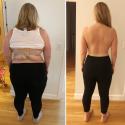
Breast augmentation, or breast implant as it is commonly termed, is the technique of surgical enhancement of breasts for a fuller and more attractive body contour. The process comprises of plastic surgery techniques that employ body tissue or more commonly silicone gel implants in order to provide a desirable shape to breasts. There are many reasons that can incline your thought towards adopting the procedure like:
A desire to increase breast size, develop a firm form and feel and provide an attractive shape to breasts
Need for reconstructive surgery owing to injury or trauma
Improve self confidence and project a better image
Carve a developed and balanced figure
Breast enlargement surgery is opted for by plenty of women across the globe in an effort to enhance their figure and lay emphasis on their feminine side. The procedure involves several steps that include preliminary tests for skin and tissue type, existing size, structure and shape of breasts and many other features are analyzed to assess the need and accordingly a suitable implant material is chosen and the procedure undertaken.
- Breast enlargement (implants)
Having a breast enlargement is a big decision. It's major surgery, the results are not guaranteed and there are some risks to think about.
During the operation, implants are inserted into your breasts to increase their size, change their shape, or make them more even.
Breast enlargement is often known as a "boob job" or breast augmentation.
You cannot usually get breast enlargement on the NHS
You'll usually have to pay to have breast implants.
There are some circumstances where you might be able to get breast enlargement on the NHS – for example, if you have very uneven breasts or no breasts.
It often depends on the area you live in. Your GP should be able to tell you more about the rules in your area.
- How much breast enlargement costs
In the UK, breast implant surgery costs around £3,500 to £8,000. This does not usually include the cost of consultations or follow-up care.
You'll also have to pay for any follow-up surgery you may need in the future.
What to think about before you have a breast enlargement
Before you go ahead, be sure about why you want breast implants. Take time to think about your decision.
Read more about whether cosmetic surgery is right for you. You could also speak to your GP about it.
- Choosing a surgeon
If you're having breast enlargement in England, check the Care Quality Commission (CQC) to see if the hospital or clinic is registered with them.
- All independent clinics and hospitals that provide cosmetic surgery in England must be registered with the CQC.
- Be careful when using the internet to look for doctors and clinics who provide breast enlargement. Some clinics may pay to advertise their services on search listings.
- Check the surgeon is registered with the General Medical Council (GMC). They should be listed on the specialist register and have a licence to practise.
- Also check the British Association of Plastic, Reconstructive and Aesthetic Surgeons (BAPRAS) to see if the surgeon is a "full member" on the specialist register for plastic surgery.
- Always book an appointment to meet the surgeon before the procedure.
You may want to ask your surgeon:
- about their qualifications and experience
- how many breast enlargement operations they've performed
- how many operations they've performed where there have been complications
- about the type and manufacturer of the implant they use and why
- about the surgical technique used and the placement of the implants
- what results you can expect
- what sort of follow-up you should expect if things go wrong
- what their patient satisfaction rates are
- about any alternative options
Choosing your implants
There are 2 types of implants, made of silicone or saline.
Silicone implants are the most common type used in the UK. They're less likely to wrinkle and feel more natural. However, they can spread into your breast and cause lumps.
Saline implants are more likely to fold, rupture or go down over time. If they do go down or rupture, the saline will safely be absorbed into your body.
You should discuss the pros and cons of each type of breast implant with your surgeon, along with the size and shape of your implants and where they’ll be placed (behind the breast or behind the breast muscle).
- How long breast implants last
Breast implants do not last a lifetime. It's likely they'll need to be replaced at some point.
- Some women may need further surgery after about 10 years, either because of problems with the implants or because their breasts have changed around the implants.
- What a breast enlargement involves
- Breast implant surgery is carried out under general anaesthetic.
The operation involves:
- making a cut (incision) in the skin next to or below the breast
- positioning the implant – either between your breast tissue and chest muscle, or behind your chest muscle (as discussed during your consultation)
- stitching the incision and covering it with a dressing
- The operation takes between 60 and 90 minutes.
You may be able to go home the same day, but may need to stay in hospital overnight if the operation was scheduled late in the day.
You'll be given pain relief if you experience any discomfort afterwards.
- Recovery
You should be able to move around soon after having breast enlargement surgery.
It can take a few weeks to fully recover from surgery, so you should take a week or 2 off work. You should not drive for at least 1 week.
Some surgeons recommend wearing a sports bra 24 hours a day for up to 3 months after breast surgery (check with your surgeon).
Avoid heavy lifting or strenuous exercise for at least a month.
After 1 or 2 weeks: Your stiches will be removed (unless you had dissolvable stitches).
After 6 weeks: You should be able to return to most of your normal activities. Your scars should also start to fade.
After a few months: Your breasts should start to look and feel more natural. You may be able to stop wearing your sports bra.
It's safe to sunbathe and fly if you have breast implants.
Women can get breast implants to make their breasts bigger and fuller. That can be done for reconstructive purposes, such as after mastectomy for breast cancer, or for cosmetic reasons.
This article covers cosmetic breast augmentation only. It discusses the types of breast implants available, the procedures used, and possible complications.
- Saline and Silicone Breast Implants
There are two basic types of breast implants: saline and silicone gel.
Saline-filled implants are silicone shells filled with sterile salt water (saline). Some are pre-filled and others are filled during the implant operation.
Silicone gel-filled implants are silicone shells filled with a plastic gel (silicone). Although many women say that silicone gel implants feel more like real breasts than saline, they pose more of a risk if they leak.
Both saline and silicone come in different sizes and have either smooth or textured shells. Each has its own pros and cons, so it is a matter of preference.
- Breast Enlargement (Boob Job) Costs
How much breast implants cost depends on the location, doctor, and type of implant used.
Typically, the surgery ranges from $5,000 to $10,000. Because it is a cosmetic procedure, health insurance usually doesn't cover breast augmentation.
How the Breast Implant Procedure Is Done
Because breasts can continue to develop until women reach their late teens or early 20s, the FDA requires that women be at least 18 years old to get breast augmentation with saline-filled implants and at least 22 years old to receive silicone implants.
When picking your surgeon, look for one who has a lot of experience. You may be less likely to have complications later on if you choose a surgeon who has had at least five years of surgical training and at least two years' experience in plastic surgery.
Before your breast implant procedure, you will meet with your surgeon for a medical evaluation. You can talk about what you want and get feedback from the doctor. Your surgeon may ask you to stop taking certain medications a few days or weeks before your surgery.
You can get breast augmentation done as an outpatient procedure, or you may stay overnight in the hospital.
What could go wrong
Breast implants can sometimes cause problems, including:
- thick, obvious scarring
- the breast feeling hard because scar tissue has shrunk around the implant (capsular contracture)
- a ruptured implant – this may cause small tender lumps (siliconomas), which are only noticeable on breast scans; the implant will need to be removed
- creases or folds in the implant
- the implant rotating within the breast, resulting in an abnormal shape
- rippling of the implant – this happens when the implant is only covered by a thin layer of tissue, which sticks to the surface of the implant and is very difficult to treat
- nerve problems in the nipples – they may become more sensitive, less sensitive, or completely numb; this can be temporary or permanent
- not being able to breastfeed or producing slightly less breast milk than you would without implants
Also, any type of operation carries a small risk of:
- bleeding and clots – blood clots can be life threatening
- infection – this is rare and would need to be treated with antibiotics
- an allergic reaction – to medicine or products used during surgery, such as antibiotics or latex
- Your surgeon should be able to tell you more about these problems, including how likely they are and how they'll be corrected if you have them.