GET FREE CONSULTATION !

CAPTCHA
This question is for testing whether or not you are a human visitor and to prevent automated spam submissions.

Gastric Surgery Clinic in Antalya

WLS Bariatric in Turkey

WLS stands for Weight Loss Surgery, and bariatric surgery is a broad term that includes procedures like gastric bypass, sleeve gastrectomy, and adjustable gastric banding. Bariatric surgery is performed to treat morbid obesity when lifestyle changes alone have failed to produce significant weight loss. It leads to long-term weight loss and improvement in health conditions like diabetes and heart disease.

RNY vs. Sleeve in Turkey

RNY (Roux-en-Y) gastric bypass and the gastric sleeve (sleeve gastrectomy) are two of the most common bariatric surgeries. While both procedures restrict the stomach’s size, the RNY bypass also reroutes part of the small intestine, reducing calorie absorption. The sleeve removes a large portion of the stomach without altering the intestines. The choice between the two depends on the patient’s health, goals, and surgeon recommendations.

RYGB Surgery (Roux-en-Y Gastric Bypass Surgery) in Turkey

Roux-en-Y Gastric Bypass (RYGB) is a popular form of bariatric surgery that reduces the size of the stomach and reroutes the digestive system. This results in both restriction of food intake and malabsorption, leading to significant weight loss. The surgery is considered highly effective for morbidly obese individuals and also helps improve obesity-related health issues like diabetes, hypertension, and sleep apnea. However, it requires lifelong dietary changes and nutritional supplements to avoid deficiencies.

RNY Reversal in Turkey

RNY reversal is the process of undoing the Roux-en-Y gastric bypass. Although rare, reversals are sometimes necessary due to complications such as malnutrition, severe dumping syndrome, or other medical issues.

ESG Surgery in Turkey

Endoscopic Sleeve Gastroplasty (ESG) is a non-surgical weight-loss procedure where a gastroenterologist uses an endoscope to stitch the stomach into a smaller size, reducing its capacity. Unlike traditional bariatric surgery, ESG is performed through the mouth and doesn’t involve cutting or removing any part of the stomach. Recovery is quicker, and the procedure is reversible, but the weight loss achieved is typically less significant than with RNY or gastric sleeve surgery.

Gastric RNY in Turkey

Gastric RNY, or Roux-en-Y gastric bypass, remains one of the most effective surgical options for treating obesity. By reducing the size of the stomach and bypassing a portion of the intestines, patients experience a significant reduction in hunger and an inability to eat large meals. Gastric RNY can lead to rapid weight loss and improvement or resolution of obesity-related conditions such as type 2 diabetes, sleep apnea, and hypertension.

Roux Bypass in Turkey

Another term for the Roux-en-Y gastric bypass, the Roux bypass is highly regarded for its effectiveness in helping patients lose weight and improve health conditions related to obesity. Named after the French surgeon César Roux, this procedure is a combination of both restrictive and malabsorptive techniques. It requires a lifetime commitment to dietary changes, exercise, and regular follow-up with healthcare professionals.

Fat Jab NHS in Turkey

The "fat jab," also known as Saxenda or liraglutide, is an injectable weight-loss drug that has been approved for use on the NHS in the UK for individuals struggling with obesity. It is intended for use in conjunction with a reduced-calorie diet and increased physical activity. The medication helps control appetite, leading to weight loss. It is typically prescribed to those with a BMI over 30 or individuals with weight-related health problems.

Weight Lost in Turkey

Weight lost refers to the reduction in body weight that is typically achieved through lifestyle changes, medications, or bariatric surgeries like the RNY or gastric band. Weight loss, particularly significant or rapid weight loss, can have dramatic positive effects on a person's overall health, reducing the risk of heart disease, diabetes, and other obesity-related conditions. Successful weight loss usually requires long-term changes to diet, exercise, and behavior.

Pre-Op Diet in Turkey

Before undergoing bariatric surgery like RNY, patients are required to follow a pre-op diet to reduce liver size and fat around the stomach. This makes the surgery safer and easier for the surgeon to perform. The pre-op diet typically consists of high-protein, low-carbohydrate shakes, and liquids for 1-2 weeks before surgery. It’s an important step in preparing the body for surgery and ensuring optimal recovery post-op.

Gastric Band in Turkey

Gastric banding is a type of bariatric surgery in which an adjustable band is placed around the upper part of the stomach to create a small pouch that limits food intake. It is one of the least invasive forms of weight-loss surgery but has fallen out of favor due to its lower success rates compared to other procedures like the sleeve gastrectomy or Roux-en-Y bypass. The band can be adjusted or removed, making it more flexible than other surgeries.

Balloon Pill in Turkey

The balloon pill, also known as the gastric balloon, is a non-surgical weight-loss device that is swallowed and then inflated inside the stomach. It takes up space, helping patients feel fuller on less food. The balloon is temporary and is usually left in place for six months before being removed. It is a popular option for people who want a non-invasive weight-loss method without committing to surgery.

Balon Gastric (Gastric Balloon) in Turkey

A gastric balloon is a non-surgical weight-loss option where a silicone balloon is inserted into the stomach and inflated. It takes up space, helping patients feel fuller sooner and eat less. The balloon is temporary and is removed after 6-12 months, during which patients must follow a strict diet and exercise regimen to ensure lasting weight loss.

Roux Y Bypass in Turkey

This is another term for the Roux-en-Y gastric bypass surgery, where the stomach is divided into a small pouch and a large "remnant," with the small intestine rerouted to connect to both. It is a more complex surgery compared to other weight-loss procedures but has a high success rate in achieving long-term weight loss.

Gastric Sleeve in Turkey

The gastric sleeve or Vertical Sleeve Gastrectomy (VSG) involves the removal of a large portion of the stomach, leaving a sleeve-shaped stomach. This surgery is purely restrictive, meaning it reduces the stomach’s size to limit food intake. It’s highly effective for weight loss and requires fewer alterations to the digestive system than the gastric bypass.

Sleeve Stomach in Turkey

The sleeve stomach refers to the portion of the stomach left after gastric sleeve surgery. This new, smaller stomach holds less food and limits calorie intake, contributing to weight loss. Patients must follow a strict diet post-surgery to avoid complications and ensure successful long-term results.

Surgery Sleeve in Turkey

Sleeve surgery is another term for the gastric sleeve procedure, where most of the stomach is removed to help patients achieve significant weight loss. The procedure is less invasive than other forms of bariatric surgery, like the Roux-en-Y bypass, but still offers dramatic weight-loss results.

Cost of Sleeve in Turkey

The cost of gastric sleeve surgery varies depending on the country, healthcare provider, and insurance coverage. In the U.S., prices range from $15,000 to $25,000. In countries with public healthcare systems like the UK, the procedure may be covered by the NHS, though private options are available for those seeking quicker treatment.

Orbera Balloon in Turkey

The Orbera gastric balloon is a non-surgical, temporary weight-loss device placed in the stomach to reduce food intake. The balloon is inflated and left in place for six months. During that time, patients follow a strict diet and exercise regimen to lose weight. It’s a popular choice for patients who want to avoid invasive surgery.

Sleeve Results in Turkey

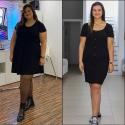
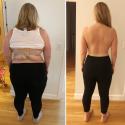
Gastric sleeve results are typically impressive, with patients losing 50-60% of their excess body weight within the first year. The surgery also leads to improvements in obesity-related conditions like diabetes, hypertension, and sleep apnea. Long-term success depends on the patient’s ability to maintain a healthy lifestyle post-surgery.

Diet After VSG in Turkey

After Vertical Sleeve Gastrectomy (VSG), patients must follow a strict diet to ensure the stomach heals properly and to promote weight loss. The post-op diet begins with liquids and progresses to soft foods, and eventually solids. It emphasizes protein intake, hydration, and portion control to avoid complications like vomiting or nutrient deficiencies.

Bariatric Diet in Turkey

The bariatric diet is essential for patients who have undergone weight-loss surgery. It’s designed to provide adequate nutrition while supporting weight loss. The diet includes small, protein-rich meals, limited carbohydrates, and restricted fats and sugars. Lifelong adherence to this diet, along with vitamin supplements, is necessary for maintaining health after bariatric surgery.

Semaglutide UK in Turkey

Semaglutide is a weight-loss medication that mimics a hormone regulating appetite and food intake. In the UK, it is marketed under the brand names Ozempic (for diabetes) and Wegovy (for obesity). It is prescribed to individuals struggling with weight management, often in conjunction with diet and exercise.

Bikini Sleeve in Turkey

Bikini sleeve is a colloquial term referring to a gastric sleeve surgery performed through small, hidden incisions around the bikini line to minimize visible scarring. This technique is designed for patients who are concerned about the cosmetic appearance of their body post-surgery while achieving the same weight loss benefits as traditional Vertical Sleeve Gastrectomy (VSG).

Sleeve Banding in Turkey

Sleeve banding combines two bariatric procedures: the gastric sleeve and an adjustable gastric band. It is a less common technique used to enhance the weight-loss results of the sleeve by adding additional restriction through the band. However, complications from the band have made it less favorable in recent years.

Gastric Bypass in Turkey

Gastric bypass surgery involves creating a small pouch from the stomach and connecting it directly to the small intestine. It significantly reduces food intake and alters digestion, leading to substantial weight loss. This procedure is one of the most common forms of bariatric surgery and is highly effective for long-term weight reduction.

Wegovy on NHS in Turkey

Wegovy (semaglutide) is a medication that helps with weight loss by mimicking a hormone that regulates appetite. It is prescribed to individuals with obesity or those with weight-related health problems. In the UK, Wegovy has been approved for NHS use for patients who meet certain criteria, providing a non-surgical option for those seeking medical weight-loss assistance.

Wegovy UK NHS in Turkey

The NHS in the UK has started prescribing Wegovy to patients who struggle with obesity and have failed to achieve significant weight loss through diet and exercise. This medication is part of a broader initiative to provide patients with additional tools to combat the obesity epidemic. Wegovy is typically prescribed alongside lifestyle changes to maximize its effectiveness.

Diet Pills UK in Turkey

In the UK, diet pills can be prescribed by doctors or purchased over-the-counter. Common options include Orlistat (available on the NHS), which reduces fat absorption, and appetite suppressants like Phentermine. The use of diet pills should always be monitored by healthcare professionals to avoid potential side effects or misuse.

Tummy Illness in Turkey

Tummy illness refers to a range of conditions affecting the stomach, including gastroenteritis, ulcers, acid reflux, and food intolerances. Symptoms can include nausea, bloating, and abdominal pain. In cases of chronic or severe symptoms, consulting a gastroenterologist is essential for diagnosis and treatment.

Gastro Doctor in Turkey

A gastroenterologist is a specialist in diagnosing and treating diseases of the gastrointestinal tract, including the stomach, intestines, liver, pancreas, and gallbladder. Common conditions treated include IBS, Crohn's disease, and gastritis. They play a critical role in the care of patients post-bariatric surgery, helping manage complications and ensuring proper digestion.

Cancer of GIT in Turkey

Cancer of the Gastrointestinal Tract (GIT) includes cancers that affect the stomach, intestines, esophagus, colon, liver, and pancreas. Symptoms vary depending on the type of cancer but may include weight loss, blood in the stool, or persistent abdominal pain. Early detection is crucial for improving survival rates, and treatment options range from surgery to chemotherapy and radiation.