GET FREE CONSULTATION !

CAPTCHA
This question is for testing whether or not you are a human visitor and to prevent automated spam submissions.

Diet After VSG in Turkey

After Vertical Sleeve Gastrectomy (VSG), patients must follow a strict diet to ensure the stomach heals properly and to promote weight loss. The post-op diet begins with liquids and progresses to soft foods, and eventually solids. It emphasizes protein intake, hydration, and portion control to avoid complications like vomiting or nutrient deficiencies.

Obesity Surgeries in Antalya Turkey

Gastric Surgery

Gastric surgeries , including gastric sleeve and bypass, are highly sought after due to the country’s reputation for excellence in bariatric care. Turkish surgeons are well-trained, and the hospitals are equipped with modern medical technology, providing a high standard of care at a lower cost compared to the UK or US.

Weight Loss Injections

Weight-loss injections like Saxenda or Wegovy are available as part of weight management programs. These injections help control appetite and promote weight loss by regulating hunger hormones. They are often prescribed to patients with obesity or related health conditions who have not been successful with diet and exercise alone.

Can Gastric Sleeve Be Reversed ?

Unlike some bariatric procedures, the gastric sleeve is considered irreversible because a large portion of the stomach is permanently removed. While Turkey offers various bariatric revision surgeries, reversing a sleeve gastrectomy is not an option. However, other procedures, such as converting a sleeve into a gastric bypass, are available if patients experience complications or insufficient weight loss.

Abdominal Surgery 10 Days in Hospital

In Turkey, abdominal surgeries that might require a hospital stay of 10 days include more invasive procedures like colon surgeries, cancer resections, or major hernia repairs. Extended hospital stays are often recommended to ensure proper healing and to monitor for any postoperative complications such as infections or digestive issues.

Sleeve Before and After

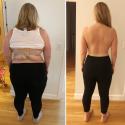
Patients who undergo sleeve gastrectomy often share impressive before-and-after photos that showcase significant weight loss. Most patients lose 60-70% of their excess body weight within the first year after surgery. Turkey is well-known for delivering high-quality results at a fraction of the cost found in the UK, US, or other Western countries, making it a popular choice for those considering the surgery.

What Abdominal Surgery Requires 2 Weeks in Hospital ?

Most abdominal surgeries , including complex procedures like bowel resections or liver surgeries, may require extended hospital stays of up to two weeks. The length of stay depends on the type of surgery, the patient’s recovery progress, and whether there are any complications. Bariatric surgeries, however, usually require a hospital stay of only 1-4 days.

Pregnancy After Weight Loss treatment

Pregnancy after weight-loss surgery is generally safe, but it’s recommended to wait at least 12-18 months after bariatric surgery before trying to conceive. This waiting period allows the body to stabilize and ensures proper nutrition for both the mother and baby. Women should work closely with their doctors to monitor their nutritional intake and ensure they are getting adequate vitamins and minerals during pregnancy.

Long-Term Effects of Sleeve Gastrectomy

The long-term effects of sleeve gastrectomy include sustained weight loss, improvement or resolution of obesity-related conditions such as type 2 diabetes, hypertension, and sleep apnea. However, patients may also experience long-term nutritional deficiencies, requiring them to take supplements like vitamin B12, calcium, and iron. Regular follow-up with healthcare providers is essential to monitor these effects.

Non-Surgical Gastric Sleeve

Non-surgical gastric sleeve alternatives, like Endoscopic Sleeve Gastroplasty (ESG), are gaining popularity . ESG is a minimally invasive procedure where a doctor uses an endoscope to place sutures in the stomach, reducing its size without surgery. This procedure has a quicker recovery time and fewer risks compared to traditional surgery, making it an attractive option for those unable to undergo more invasive procedures.

Intragastric Balloon Side Effects treatment

The intragastric balloon is a non-surgical weight-loss method where a balloon is inserted into the stomach to reduce its capacity temporarily. While it can be an effective weight-loss tool, patients may experience side effects like nausea, vomiting, abdominal discomfort, acid reflux, and, in rare cases, balloon deflation or migration. Most side effects occur in the first few days after the procedure and can be managed with medication.

Weight Loss Center

Turkey has become a top destination for individuals seeking bariatric surgery and other weight-loss treatments. Weight loss centers offer a variety of procedures, including gastric sleeve, gastric bypass, and non-surgical methods like intragastric balloons. These centers attract patients from around the world due to the combination of advanced medical technology, skilled surgeons, and lower costs compared to Western countries.