GET FREE CONSULTATION !

CAPTCHA
This question is for testing whether or not you are a human visitor and to prevent automated spam submissions.

Gastric Surgery Clinic in Antalya

Gastric Band

Gastric banding is a type of bariatric surgery in which an adjustable band is placed around the upper part of the stomach to create a small pouch that limits food intake. It is one of the least invasive forms of weight-loss surgery but has fallen out of favor due to its lower success rates compared to other procedures like the sleeve gastrectomy or Roux-en-Y bypass. The band can be adjusted or removed, making it more flexible than other surgeries.

Balloon Pill

The balloon pill, also known as the gastric balloon, is a non-surgical weight-loss device that is swallowed and then inflated inside the stomach. It takes up space, helping patients feel fuller on less food. The balloon is temporary and is usually left in place for six months before being removed. It is a popular option for people who want a non-invasive weight-loss method without committing to surgery.

RNY Reversal

RNY reversal is the process of undoing the Roux-en-Y gastric bypass. Although rare, reversals are sometimes necessary due to complications such as malnutrition, severe dumping syndrome, or other medical issues.

ESG Surgery

Endoscopic Sleeve Gastroplasty (ESG) is a non-surgical weight-loss procedure where a gastroenterologist uses an endoscope to stitch the stomach into a smaller size, reducing its capacity. Unlike traditional bariatric surgery, ESG is performed through the mouth and doesn’t involve cutting or removing any part of the stomach. Recovery is quicker, and the procedure is reversible, but the weight loss achieved is typically less significant than with RNY or gastric sleeve surgery.

Mini Bypass

A mini gastric bypass is a simpler version of the traditional RNY gastric bypass. It involves creating a small stomach pouch and bypassing a section of the small intestine. This procedure is less invasive and typically quicker to perform, with fewer complications. It offers similar weight-loss results to the traditional bypass but may result in higher rates of bile reflux. It is becoming a popular choice for those looking for effective weight-loss surgery with a shorter recovery time.

RNY Diet

After undergoing Roux-en-Y gastric bypass surgery (RNY), the diet is critical for long-term success and recovery. Immediately after surgery, patients are required to follow a liquid diet to allow their stomachs to heal. Over time, they transition from liquids to soft foods, and eventually solid foods. This post-op diet is high in protein to support muscle retention and healing, low in fats and sugars, and carefully portioned to avoid stretching the stomach pouch. Lifelong dietary changes are necessary to avoid nutritional deficiencies, with a focus on vitamin supplementation, hydration, and balanced meals.

RNY Cost

The cost of Roux-en-Y gastric bypass surgery varies based on location, healthcare provider, and whether the patient has insurance coverage. In the U.S., the cost ranges from $20,000 to $30,000, depending on the hospital and specific circumstances. In countries with public healthcare systems, such as the UK or Canada, the surgery may be covered, though waiting times could be long. Many insurance companies in the U.S. cover bariatric surgery if it’s deemed medically necessary, but patients must meet specific criteria related to their BMI and health conditions.

Roux-en-Y

Roux-en-Y (RNY) gastric bypass is a type of weight-loss surgery in which the stomach is divided into a small upper pouch and a larger lower "remnant" portion. The small intestine is rearranged to connect to both. This reduces the stomach's capacity and alters how the body absorbs calories and nutrients, making it one of the most effective bariatric surgeries for long-term weight loss. Patients can expect significant weight loss, but the procedure is more complex than other forms of bariatric surgery, requiring lifelong changes in diet and lifestyle.

GI Doctor

A Gastrointestinal (GI) doctor, also known as a gastroenterologist, specializes in diagnosing and treating conditions affecting the digestive system. This includes the esophagus, stomach, intestines, liver, pancreas, and gallbladder. Common reasons to see a GI doctor include chronic heartburn, abdominal pain, irritable bowel syndrome (IBS), Crohn’s disease, and more. GI doctors play a critical role in managing post-operative care for patients who have undergone bariatric surgery to ensure proper digestion and absorption of nutrients.

Gastro Dr

Similar to a GI doctor, a "gastro dr" refers to a specialist in gastroenterology. Patients typically see these specialists for issues related to digestive health, such as ulcers, acid reflux, or liver disease. They perform diagnostic procedures like endoscopies or colonoscopies to identify and treat conditions. For bariatric surgery patients, gastroenterologists can help manage complications that arise from surgeries like the Roux-en-Y or gastric band.

Skinny Pen

The "Skinny Pen" refers to a weight-loss medication called liraglutide (brand name Saxenda) that is administered through a daily injection. It works by mimicking a hormone that regulates appetite, helping patients feel fuller for longer. This treatment is often used for individuals who struggle with obesity but are not candidates for surgery or who need additional help in managing their weight post-bariatric surgery. The drug is available by prescription and is used in conjunction with diet and exercise.

Gastro UK

In the UK, gastroenterology is a well-established medical field. The NHS provides access to gastroenterologists through referrals, though wait times can be significant depending on the region. Private gastroenterology services are available for those seeking faster treatment. The role of a gastroenterologist in the UK is crucial for managing digestive disorders and bariatric surgery outcomes, as well as performing diagnostic and therapeutic procedures such as endoscopies and colonoscopies.

RNY Bypass

Roux-en-Y bypass is another term for the RNY procedure. This surgery helps patients lose weight by creating a small pouch from the stomach and connecting it directly to the small intestine, bypassing a portion of the digestive tract. The result is a reduced ability to absorb calories and nutrients. Patients who undergo RNY experience rapid weight loss, but it also requires them to make permanent changes to their diet and lifestyle to avoid complications like dumping syndrome, where food moves too quickly from the stomach to the intestines.

Lap Band UK

Lap band surgery, also known as gastric banding, is a type of weight-loss surgery where a band is placed around the upper part of the stomach to create a small pouch. This restricts food intake, leading to weight loss. In the UK, lap band surgery is available through both private healthcare providers and the NHS. The procedure has become less common compared to other forms of bariatric surgery, such as the RNY or sleeve gastrectomy, due to its lower success rates and higher complication risks.

Weight Loss Center in Antalya

Antalya has become a top destination for individuals seeking bariatric surgery and other weight-loss treatments. Weight loss centers in Antalya offer a variety of procedures, including gastric sleeve, gastric bypass, and non-surgical methods like intragastric balloons. These centers attract patients from around the world due to the combination of advanced medical technology, skilled surgeons, and lower costs compared to Western countries.

Intragastric Balloon Side Effects treatment in Antalya

The intragastric balloon is a non-surgical weight-loss method where a balloon is inserted into the stomach to reduce its capacity temporarily. While it can be an effective weight-loss tool, patients may experience side effects like nausea, vomiting, abdominal discomfort, acid reflux, and, in rare cases, balloon deflation or migration. Most side effects occur in the first few days after the procedure and can be managed with medication.

Pregnancy After Weight Loss treatment in Antalya

Pregnancy after weight-loss surgery is generally safe, but it’s recommended to wait at least 12-18 months after bariatric surgery before trying to conceive. This waiting period allows the body to stabilize and ensures proper nutrition for both the mother and baby. Women should work closely with their doctors to monitor their nutritional intake and ensure they are getting adequate vitamins and minerals during pregnancy.

Non-Surgical Gastric Sleeve in Antalya

Non-surgical gastric sleeve alternatives, like Endoscopic Sleeve Gastroplasty (ESG), are gaining popularity in Antalya. ESG is a minimally invasive procedure where a doctor uses an endoscope to place sutures in the stomach, reducing its size without surgery. This procedure has a quicker recovery time and fewer risks compared to traditional surgery, making it an attractive option for those unable to undergo more invasive procedures.

Gastric Sleeve Death Rate in Antalya

The death rate for gastric sleeve surgery in Antalya is extremely low, with rates similar to those in Western countries. With advancements in laparoscopic surgery and highly trained bariatric surgeons, the mortality rate is estimated to be less than 0.1%. Most complications are manageable and arise from issues such as leaks or infections.

Can Gastric Sleeve Be Reversed in Antalya?

Unlike some bariatric procedures, the gastric sleeve is considered irreversible because a large portion of the stomach is permanently removed. While Antalya offers various bariatric revision surgeries, reversing a sleeve gastrectomy is not an option. However, other procedures, such as converting a sleeve into a gastric bypass, are available if patients experience complications or insufficient weight loss.

Roux-en-Y Gastric Bypass in Antalya

The Roux-en-Y gastric bypass is another highly effective bariatric surgery offered in Antalya. In this procedure, the stomach is divided into a small upper pouch and connected directly to the small intestine, bypassing a large portion of the stomach and intestines. This surgery is ideal for those with severe obesity or related health conditions like diabetes and has a high success rate in terms of weight loss.

Gastric Sleeve Incisions in Antalya

The gastric sleeve surgery in Antalya is typically performed laparoscopically, meaning small incisions are made in the abdomen to insert surgical instruments. The number of incisions usually ranges from 3 to 5, depending on the patient's anatomy and the surgeon's technique. These incisions are small, and patients generally experience minimal scarring.

Ozempic Treatment in Antalya

Ozempic is a prescription medication used primarily to treat type 2 diabetes but has recently gained attention for its off-label use in promoting weight loss. Ozempic contains semaglutide, which helps regulate blood sugar and appetite, making it an effective treatment for individuals struggling with obesity. Weight loss clinics in Antalya may prescribe Ozempic as part of a broader weight management program.

Sleeve Gastrectomy treatment in Antalya

Sleeve gastrectomy is a common type of bariatric surgery where approximately 75-80% of the stomach is removed, leaving a smaller, tube-like stomach or "sleeve." This surgery is irreversible and promotes weight loss by limiting the amount of food the stomach can hold and reducing the production of ghrelin, the hormone responsible for hunger. The procedure has gained significant popularity in Antalya due to its lower cost, experienced surgeons, and advanced medical facilities.

Weight Loss Help treatment

For individuals struggling with obesity, there are many options for weight-loss help, including bariatric surgery, medication, lifestyle changes, and behavioral therapies. Consulting with a healthcare provider can help determine the best course of action based on individual needs and health conditions.

Gastric Surgery

Gastric surgeries , including gastric sleeve and bypass, are highly sought after due to the country’s reputation for excellence in bariatric care. Turkish surgeons are well-trained, and the hospitals are equipped with modern medical technology, providing a high standard of care at a lower cost compared to the UK or US.

Obesity Surgery

Obesity surgery encompasses various procedures designed to help patients lose weight and manage obesity-related health conditions. These include gastric sleeve, bypass, and non-surgical options like the intragastric balloon. Turkey is one of the most popular destinations for these surgeries, attracting patients from all over the world.

Sleeve Before and After in Antalya

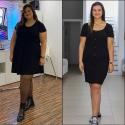
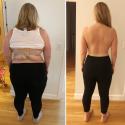
Patients who undergo sleeve gastrectomy in Antalya often share impressive before-and-after photos that showcase significant weight loss. Most patients lose 60-70% of their excess body weight within the first year after surgery. Antalya is well-known for delivering high-quality results at a fraction of the cost found in the UK, US, or other Western countries, making it a popular choice for those considering the surgery.

How Much Is a Gastric Sleeve ?

The cost of a gastric sleeve generally ranges from £2,500 to £4,500, depending on the clinic and any additional services included. This price is considerably lower than in the UK, US, or Europe, making Turkey a top choice for medical tourists.

Weight Loss Injections Side Effects treatment

Weight-loss injections such as Saxenda or Wegovy can lead to side effects like nausea, vomiting, diarrhea, constipation, and abdominal pain. In rare cases, patients may experience gallbladder issues or pancreatitis. It’s important to monitor for side effects and adjust dosage as needed under medical supervision.

Excess Skin Gastric Sleeve Before and After Skin

After significant weight loss from gastric sleeve surgery, patients often experience excess skin, particularly around the abdomen, arms, and thighs. This can be addressed through body contouring surgeries like a tummy tuck, arm lift, or thigh lift. Before and after photos often show dramatic transformations with smoother, firmer skin post-surgery.