GET FREE CONSULTATION !

CAPTCHA
This question is for testing whether or not you are a human visitor and to prevent automated spam submissions.

2025 Gastric Sleeve Prices Antalya

Gastric bypass surgery in Antalya

Gastric bypass surgery in Antalya continues to attract international patients seeking effective weight-loss solutions at an affordable price.

Reviews from those who have undergone the procedure in Antalya are largely positive, with many patients reporting significant weight loss and improvements in conditions such as diabetes and sleep apnea. Turkish surgeons are praised for their expertise, and the medical facilities in Antalya are often described as modern and well-equipped. The lower cost of gastric bypass surgery in Antalya compared to Western countries is a major factor in its popularity, with many patients appreciating the financial savings without compromising on quality. Some patients mention the need for long-term lifestyle changes, but overall, the reviews emphasize the success of the procedure and the quality of care in Antalya.

How Long is the Weight Loss Surgery? | Bridge Health Travel

  • Can a gastric sleeve reverse itself?

Is Gastric Sleeve Reversible? - Jet Medical Tourism®
Your surgeon will reshape the remainder stomach into a sleeve, akin to the shape and size of a banana. Because of these permanent characteristics of this sleeve procedure, your bariatric surgeon will be unable to reverse it at a later stage.
 
  • Does anyone regret getting a gastric sleeve?

Little data is available about post-surgical satisfaction regarding gastric sleeve, yet a study published in Obesity Surgery in 2021 indicates that generally, patients did not regret their decision to undergo surgery but had regrets that they did not have realistic expectations of gastric sleeve results.
 
  • Can you ever eat properly again after gastric sleeve?

After gastric sleeve surgery you'll pass through four stages of eating before resuming a normal nourishing diet. These stages will help you get all the nutrients you need for the wounds in your digestive system to heal and to recover from surgery. You'll spend a minimum of two weeks in each stage.
 
  • Can a gastric sleeve stop working?

The dramatic weight loss that's involved in gastric sleeve surgery may result in the body working on trying to maintain fat and energy stores. In the case of someone who has not adhered to the diet and exercise plan designed by their doctors, the weight loss plateau really is inevitable.
 
  • What can you never do after gastric sleeve?

Avoid the use of drinking straws, carbonated beverages, chewing gum and ice. They can introduce excess air into your surgically created pouch and cause discomfort. Avoid sugar, sugary foods and beverages, and fruit juices.
 
  • What I wish I knew before gastric sleeve surgery?

Here are some of the things that my clients wish they had known before weight loss surgery: They wished they had known that surgery was just a tool to aid weight loss. Surgery itself won't change your relationship with food and many were surprised that they still experienced cravings and urges to binge.
 
  • What happens to breasts after gastric sleeve?

After bariatric surgery, the breasts are often affected by a significant amount of sagging due to excess skin and fat left over from weight loss.
 
  • Does hunger hormone grow back after gastric sleeve?

It has been found that blood ghrelin levels decrease significantly after gastric sleeve, this decrease is presented from the first postoperative day and lasts for more than 24 months after surgery unlike patients operated from procedures such as gastric band which have increased ghrelin levels in the same periods of ...
 
  • Can you have a tummy tuck after gastric sleeve?

What is the Timeline for a Tummy Tuck after a Sleeve Gastrectomy? You have achieved the recommended weight loss. This usually occurs about 1 year after the initial surgery. Your BMI should also be below 32.
 
  • How much weight do you lose in 3 months after gastric sleeve?

Average Weight Loss 3 Months after Gastric Sleeve
 
On average, patients can expect to lose around 35-40% of their excess weight in the first 3 months.
 
  • What is one of the top 3 causes of death after bariatric surgery?

This study reported on 33 deaths from 4431 operations (0.7% mortality) and reported that 30% of the deaths were due to pulmonary embolism, 27% due to cardiac causes, and 21% due to anastomotic leak.
 
  • What don't they tell you about gastric sleeve surgery?

The surgery is on your stomach, not your head.
 
Food addiction doesn't go away overnight just because you're incapable of eating all of the things you want to eat. For me, it was almost like I didn't know who I was after I couldn't spend all day eating. I still spent all day thinking about eating, at first.
 
  • How to reset your stomach after gastric sleeve surgery?

5 day pouch reset diet looks as follows:
day 1 – clear liquids.
day 2 – full liquids.
day 3 – pureed food.
day 4 – soft food.
day 5 onwards – healthy diet.
 
  • Can I reverse gastric sleeve?

Unlike the adjustable gastric band and the gastric bypass, the sleeve gastrectomy is a permanent procedure – it cannot be reversed.
 
  • What is the regret rate for gastric sleeve patients?

Major surgical complications were not associated with increased decision regret. Only two out of 115 patients (1.7%) indicated absolute regret about their decision to undergo bariatric surgery, and 15% reported moderate‐to‐strong regret according to the results of the DRS.
 
Can you ever eat normally again after gastric sleeve?
You can usually start eating regular foods about 6 to 8 weeks after surgery. At each stage of the gastric bypass diet, you must be careful to: Drink 64 ounces of fluid a day, to avoid dehydration. Sip liquids between meals, not with meals.


Gastric sleeve: the scarless stomach reduct​ion

Gastric sleeve surgery is the surgical weight-loss procedure that has seen the most worldwide growth over the last five years. It reduces the stomach is reduced so that the patient feels full after eating small or moderate amounts of food, which enables weight loss.
 
The weight loss is due to two mechanisms: the restrictive mechanism reduces the stomach’s volume and capacity to hold food and patients eat less because they have a smaller appetite due to a hormonal mechanism. In this article below, highly distinguished general surgeon, Mr Parv Sains, provides more of a detailed insight into the surgery. 
 

Can gastric sleeve surgery be performed laparoscopically? 

Depending on the characteristics of each patient, the surgery can be performed through a conventional laparoscopy (keyhole operation) with five mini incisions or single-incision assisted laparoscopic surgery, which is carried out by making a single umbilical incision, leaving an almost unnoticeable scar. The operation takes about 60 minutes and because no joint or bypass is performed on the intestines, potential complications and risks are limited.
 

Who is this technique suitable for?

There are no absolute indications and each patient should be studied by a qualified professional who will establish the best surgical treatment to combat their obesity. Some clinics use the following guidelines for patients who are candidates for gastric sleeve surgery:
 
  • Patients older than 50 years and those who have a BMI (Body Mass Index) greater than 50kg/m2.
  • Patients between 20 and 50 years of age, with a BMI between 35 and 50kg/m2
  • Patients with conditions associated with obesity (diabetes, hypertension, increased cholesterol, heart or respiratory diseases).


What is Stapler? | Bridge Health Travel

The cost of gastric sleeve surgery in Turkey typically ranges between £1,450 and £2,900, depending on the hospital and the surgeon's experience. The price often includes pre-op consultations, surgery, hospital stay, and post-op care, making it a cost-effective option for many.


Weight Loss Surgery Turkey Cost: Packages with Aesthetic Travel Antalya / Turkey

Weight Loss Surgery Turkey Cost: Aesthetic Travel offers a range of weight loss surgery options in Turkey, each available in Eco, Medium, and All-Inclusive packages. Here are the details and starting costs for each procedure:

Weight Loss Surgery Turkey Cost: Gastric Balloon Antalya Price

Gastric Balloon Turkey Cost 

  • Eco Gastric Balloon Package: From 1,450£
  • Medium Gastric Balloon Package: From 1,650£
  • All-Inclusive Gastric Balloon Package: From 1,850£

Weight Loss Surgery Turkey Cost: Gastric Sleeve

  • Eco Gastric Sleeve Package: From £2,550
  • Medium Gastric Sleeve Package: From £2,750
  • All-Inclusive Gastric Sleeve Package: From £3,000

Gastric Sleeve Turkey Cost

Weight Loss Surgery Turkey Cost: Scarless Gastric Sleeve Surgery Antalya Price

  • Eco Scarless Gastric Sleeve Surgery Package: From £4,000
  • Medium Scarless Gastric Sleeve Surgery Package: From £4,200
  • All-Inclusive Scarless Gastric Sleeve Surgery Package: From £4,400

Scarless Gastric Sleeve Surgery Turkey Cost

  • Weight Loss Surgery Gastric Sleeve Surgery Turkey Cost: Gastric Bypass Turkey Cost £3000
  • Eco Gastric Sleeve Surgery Package: From £2,900
  • Medium Gastric Sleeve Surgery Package: From £3,100
  • All-Inclusive Gastric Sleeve Surgery Package: From £3,300
  • Gastric Bypass Turkey Cost £3000

Weight Loss Surgery Turkey Cost: Mini Gastric Bypass Antalya Price £3000

  • Eco Mini Gastric Bypass Package: From £2,900
  • Medium Mini Gastric Bypass Package: From £3,100
  • All-Inclusive Mini Gastric Bypass Package: From £3,300
  • Mini Gastric Bypass Turkey Cost £3000

Weight Loss Surgery Turkey Cost: Roux-en-Y Gastric Bypass Antalya Price £3000

  • Eco Gastric Bypass Package: From £2,900
  • Medium Gastric Bypass Package: From £3,100
  • All-Inclusive Gastric Bypass Package: From £3,300
  • Roux-en-Y Gastric Bypass Turkey Cost £3000
  • Gastric Sleeve Treatments Cost in Antalya & Turkey:

Weight Loss Surgery Turkey Cost: Packages with Aesthetic Travel Antalya / Turkey

Weight Loss Surgery Turkey Cost: Aesthetic Travel offers a range of weight loss surgery options in Turkey, each available in Eco, Medium, and All-Inclusive packages. Here are the details and starting costs for each procedure:

Weight Loss Surgery Turkey Cost: Gastric Balloon Antalya Price

Gastric Balloon Turkey Cost 

  • Eco Gastric Balloon Package: From 1,450£
  • Medium Gastric Balloon Package: From 1,650£
  • All-Inclusive Gastric Balloon Package: From 1,850£

Weight Loss Surgery Turkey Cost: Gastric Sleeve

  • Eco Gastric Sleeve Package: From £2,550
  • Medium Gastric Sleeve Package: From £2,750
  • All-Inclusive Gastric Sleeve Package: From £3,000

Gastric Sleeve Turkey Cost

Weight Loss Surgery Turkey Cost: Scarless Gastric Sleeve Surgery Antalya Price

  • Eco Scarless Gastric Sleeve Surgery Package: From £4,000
  • Medium Scarless Gastric Sleeve Surgery Package: From £4,200
  • All-Inclusive Scarless Gastric Sleeve Surgery Package: From £4,400

Scarless Gastric Sleeve Surgery Turkey Cost

  • Weight Loss Surgery Gastric Sleeve Surgery Turkey Cost: Gastric Bypass Turkey Cost £3000
  • Eco Gastric Sleeve Surgery Package: From £2,900
  • Medium Gastric Sleeve Surgery Package: From £3,100
  • All-Inclusive Gastric Sleeve Surgery Package: From £3,300
  • Gastric Bypass Turkey Cost £3000

Weight Loss Surgery Turkey Cost: Mini Gastric Bypass Antalya Price £3000

  • Eco Mini Gastric Bypass Package: From £2,900
  • Medium Mini Gastric Bypass Package: From £3,100
  • All-Inclusive Mini Gastric Bypass Package: From £3,300
  • Mini Gastric Bypass Turkey Cost £3000

Weight Loss Surgery Turkey Cost: Roux-en-Y Gastric Bypass Antalya Price £3000

  • Eco Gastric Bypass Package: From £2,900
  • Medium Gastric Bypass Package: From £3,100
  • All-Inclusive Gastric Bypass Package: From £3,300
  • Roux-en-Y Gastric Bypass Turkey Cost £3000
  • Gastric Sleeve Treatments Cost in Antalya & Turkey:

Gastric Sleeve in Antalya

Gastric sleeve, obesity treatment's one of the most effective methods. This surgical procedure removes a large portion of the stomach and forms it into a smaller tube shape.

This way, you can eat less and consume fewer calories. Gastric sleeve is an effective solution for permanent weight loss and obesity-related health problems.

Gastric Sleeve in Antalya, Gastric Sleeve in Turkey, Aesthetic Travel Antalya, Gastric Sleeve Travel Antalya, Gastric Balloon Travel Antalya, Gastric Bypass Travel Antalya, Aesthetic Travel Turkey, Gastric Sleeve Travel Turkey, Gastric Balloon Travel Turkey, Gastric Bypass Travel Turkey, Gastric Balloon in Antalya, Gastric Balloon in Turkey

Gastric Sleeve in Antalya, Gastric Sleeve in Turkey - Looking for a safe and effective weight loss solution? Look no further than gastric sleeve surgery! Trust us to guide you through every step of your journey to a healthier, happier you.

Gastric Balloon Prices 2025

Gastric Sleeve Price Turkey 2025

The prices of gastric balloons vary depending on the type of balloon and the hospital and physician who will perform the procedure. In some cases, the procedure is carried out with mild sedation given to the patient.

However, this is one of the procedures that is performed with the condition of staying in the stomach for a certain period. It stays in the stomach for approximately 6 months to 1 year.

The logic behind placing the balloon is for the patient to change their eating habits over a period of approximately 1 year and aim to lose weight during this time.

This method proves to be highly effective for many patients. The most accurate information can be obtained by having an initial examination to determine whether you are suitable for the procedure and getting information from the physician who will perform the procedure. For information about gastric balloon prices in 2024, please contact us immediately.

Gastric Balloon: A Commonly Used Procedure for Obesity Treatment

Gastric balloon is one of the frequently used procedures in the treatment of obesity. Obesity is a condition that has been increasingly causing serious health problems in recent years. However, alternative treatments for obesity are now being performed through different methods, and gastric balloon is one of them. It is not a surgical procedure per se.

Through an endoscopic method, a balloon is placed inside the stomach and inflated. This creates a constant feeling of fullness in the stomach, leading to weight loss in the patient.

However, it is recommended to be placed in individuals who have already lost a certain amount of weight in cases of severe obesity. It stays in the stomach for an average of 6 months and is then removed.

  • What is a Gastric Balloon?

  • Gastric Balloon Prices in 2025

It is one of the risk-free obesity treatments that are frequently preferred today. It is also known as a gastric balloon. It is not a surgical procedure, but it is performed by giving the patient mild anesthesia and using an endoscope.

This method involves placing a balloon inside the stomach and inflating it. The logic behind it is that the stomach fills up more quickly, leading to a shorter duration of feeling fullness. However, it is a temporary method.

Users of Gastric Balloon

Gastric balloon is a non-surgical procedure and one of the most preferred obesity treatments in recent years. It is an application that can help patients lose around 10 to 25 kilograms within 6 months to 1 year, while the balloon changes the patients' eating habits and provides a feeling of fullness. There are 4 commonly used types of gastric balloons:

Elipse swallowable balloon

  • 6-month balloon
  • 12-month balloon
  • Adjustable balloon

To be eligible for gastric balloon placement, the patient must be over 18 years old and under 70 years old. Additionally, it is placed in individuals with a body mass index (BMI) above 27.

Moreover, it is recommended as an alternative method for those who want to lose weight but do not want to undergo gastric surgery, as it can help them lose weight quickly.

User Reviews of Gastric Balloon in Turkey

The main reason it is generally preferred is that it does not involve any risks. When looking at comments from individuals who have had gastric balloon placed inside their stomachs and related internet reviews, it is evident that it yields very positive results in patients who quickly lose weight, develop a diet and eating habits, and are able to observe significant physical changes.

They realize that there is no harm in having the doctor place the balloon, and they made the right decision. Excessive weight not only causes physical discomfort in individuals but also leads to serious health problems.

There is a higher risk of conditions such as diabetes, chronic obstructive pulmonary disease (COPD), especially in individuals who have experienced upper respiratory tract infections.

Getting rid of excess weight also means regaining your health. It is one of the preferred practices due to the fact that it is not a surgical procedure, it is extremely healthy, and it does not pose any risks.

Patients Who Want to Have Gastric Balloon Placed

It is best for overweight patients who want to have a gastric balloon placed to make the decision themselves regarding this matter. It is crucial to have confidence in yourself before having the balloon placed. This is a treatment process.

First and foremost, it is essential to trust the physician who will perform this procedure and make the right choice in selecting the physician. When you follow the doctor's recommendations after having the balloon placed, you will start to lose a significant amount of weight, observe positive physical changes, and realize that your health has improved, confirming that you made the right decision.

Gastric Sleeve Prices Turkey

Gastric Sleeve Prices Turkey

2025 Gastric Sleeve Prices Turkey, 2025 Gastric Sleeve Prices Antalya, 2025 Gastric Sleeve Prices

How should I prepare for gastric sleeve surgery?

If you are in good physical condition on the day of surgery, it will minimise the possibility of medical and surgical complications. Ideally, you need to lose around five kilos in the months prior to the surgery, with the help of diet and exercise. Patients want to be operated on because they have failed at almost all diets and have serious health problems. This last effort before surgery is the one that will guarantee the success and the weight lost will be gone forever.
 
After the operation, it is common for an obese patient who has undergone gastric sleeve surgery to have some discomfort but the recovery is usually rapid. Immediately after the operation, you are able to get out of bed, sit in a chair and even take small walks. Usually the patient can return home two days after the surgery. The return to a normal routine however, is not so immediate. For the first week after the operation you will only be able to drink fluids. For weeks two to four, you will only be able to eat purees. Then, soft foods will be gradually incorporated into your diet until you are finally able to eat solids.


What are the advantages of this technique?

You can eat anything in small amounts, five or six times a day, while preserving normal digestive functioning. Patients do not suffer from a loss of vitamin-retention function, as in other more aggressive surgical procedures, nor do they have bouts of diarrhoea. Because the surgery does not affect the small intestine, everything that is eaten is absorbed. Weight loss depends on each patient but is usually between 60-70% of the excess weight, much of which is lost during the first six to nine months. 

Scarless gastric sleeve surgery, also known as endoscopic sleeve gastroplasty (ESG), is a revolutionary weight loss procedure that offers the benefits of traditional gastric sleeve surgery without visible scars.

This minimally invasive technique is performed using an endoscope, a flexible tube with a camera and suturing device, which is inserted through the mouth to reshape the stomach. By reducing the stomach's size, patients experience significant weight loss and improvements in obesity-related health conditions.

  • What is a scarless gastric sleeve?

Gastric Sleeve Without Scar – Turkey / Antalya – Cost £3,190
In a scarless gastric sleeve, the stomach is reduced in size by removing a large portion of the stomach to create a tubular structure. Unlike traditional open or laparoscopic surgeries that involve making multiple small incisions, the procedure is performed with just one small incision in the belly button area.
  • What is the hardest thing about gastric sleeve surgery?

The hardest part of the surgery is the incisions healing on your abdomen. But after a week or two, the pain is gone. I followed the diet schedule to a tee. The liquid diet didn't bother me because I was on track to get my life back…plus seeing the weight loss was a great encouragement.
 
  • Do scars from gastric sleeve go away?

While individual healing timelines may vary, most patients can expect significant improvement in scar appearance within the first year post-surgery. Embracing patience and practicing self-care are essential components of navigating the healing journey following bariatric surgery.
 
  • Has anyone not lost weight after gastric sleeve surgery?

Causes of weight regain after sleeve gastrectomy
 
Potential causes of weight regain or inadequate weight loss include large remnant stomach (pouch) size, gradual increase of remnant stomach volume, increased sweet consumption and portion size, emotional eating, and binge eating.
 
  • What happens 10 years after gastric sleeve?

10 Years After Gastric Sleeve: Long-Term Success
The 10-year outcome after gastric sleeve surgery tends to be good. Studies have found that most people are able to maintain an excess body mass loss of between 51% and 54% 10 years after surgery. 3 This means they lost around half of their extra weight and were able to keep it off for 10 years.
 
  • Can you still lose weight 5 years after gastric sleeve?

At 5 years after sleeve gastrectomy:
 
People had lost 16% of their body weight. 8% had lost 30% or more of their total body weight. About 10% had regained weight to within 5% of their pre-surgical weight.
 
  • What is the life expectancy of a person after gastric sleeve?

Their analyses found that a 45-year-old woman with T2D and a BMI of 45 kg/m2 gained an additional 6.7 years of life expectancy with metabolic and bariatric surgery (38.4 years with versus 31.7 years without surgery), but sensitivity analyses revealed that the gain in life expectancy decreased with increasing BMI ...
 
  • What are the downsides of gastric sleeves?

Longer term risks and complications of sleeve gastrectomy surgery can include:
  1. Gastrointestinal blockage.
  2. Hernias.
  3. Gastroesophageal reflux.
  4. Low blood sugar, known as hypoglycemia.
  5. Malnutrition.
  6. Vomiting.
  • Can your stomach grow back after gastric sleeve?

Will My Stomach Grow Back After Gastric Sleeve Surgery?
Your stomach will not grow back into its original size. However, what may happen is that the remaining portion of your stomach may stretch or expand, just like a balloon. With a smaller stomach size and capacity, patients who undergo gastric sleeve surgery are expected to feel fuller easily even while eating less food.
 
  • Will I ever feel hungry again after gastric sleeve?

As the metabolic effects of surgery lessen after several months, hunger does return for most people.
 
  • Can water stretch your stomach after gastric sleeve?

Drinking beverages during meals can cause the stomach to stretch and become overly full. To avoid this, it's best to drink liquids between meals or an hour before and after you eat. Contact Ascension Saint Agnes Hospital for gastric sleeve surgery in Baltimore.
 
  • Can a gastric sleeve reverse itself?

Is Gastric Sleeve Reversible? - Jet Medical Tourism®
Your surgeon will reshape the remainder stomach into a sleeve, akin to the shape and size of a banana. Because of these permanent characteristics of this sleeve procedure, your bariatric surgeon will be unable to reverse it at a later stage.
 
  • Does anyone regret getting a gastric sleeve?

Little data is available about post-surgical satisfaction regarding gastric sleeve, yet a study published in Obesity Surgery in 2021 indicates that generally, patients did not regret their decision to undergo surgery but had regrets that they did not have realistic expectations of gastric sleeve results.
 
  • Can you ever eat properly again after gastric sleeve?

After gastric sleeve surgery you'll pass through four stages of eating before resuming a normal nourishing diet. These stages will help you get all the nutrients you need for the wounds in your digestive system to heal and to recover from surgery. You'll spend a minimum of two weeks in each stage.
 
  • Can a gastric sleeve stop working?

The dramatic weight loss that's involved in gastric sleeve surgery may result in the body working on trying to maintain fat and energy stores. In the case of someone who has not adhered to the diet and exercise plan designed by their doctors, the weight loss plateau really is inevitable.
 
  • What can you never do after gastric sleeve?

Avoid the use of drinking straws, carbonated beverages, chewing gum and ice. They can introduce excess air into your surgically created pouch and cause discomfort. Avoid sugar, sugary foods and beverages, and fruit juices.
 
  • What I wish I knew before gastric sleeve surgery?

Here are some of the things that my clients wish they had known before weight loss surgery: They wished they had known that surgery was just a tool to aid weight loss. Surgery itself won't change your relationship with food and many were surprised that they still experienced cravings and urges to binge.
 
  • What happens to breasts after gastric sleeve?

After bariatric surgery, the breasts are often affected by a significant amount of sagging due to excess skin and fat left over from weight loss.
 
  • Does hunger hormone grow back after gastric sleeve?

It has been found that blood ghrelin levels decrease significantly after gastric sleeve, this decrease is presented from the first postoperative day and lasts for more than 24 months after surgery unlike patients operated from procedures such as gastric band which have increased ghrelin levels in the same periods of ...
 
  • Can you have a tummy tuck after gastric sleeve?

What is the Timeline for a Tummy Tuck after a Sleeve Gastrectomy? You have achieved the recommended weight loss. This usually occurs about 1 year after the initial surgery. Your BMI should also be below 32.
 
  • How much weight do you lose in 3 months after gastric sleeve?

Average Weight Loss 3 Months after Gastric Sleeve
 
On average, patients can expect to lose around 35-40% of their excess weight in the first 3 months.
 
  • What is one of the top 3 causes of death after bariatric surgery?

This study reported on 33 deaths from 4431 operations (0.7% mortality) and reported that 30% of the deaths were due to pulmonary embolism, 27% due to cardiac causes, and 21% due to anastomotic leak.
 
  • What don't they tell you about gastric sleeve surgery?

The surgery is on your stomach, not your head.
 
Food addiction doesn't go away overnight just because you're incapable of eating all of the things you want to eat. For me, it was almost like I didn't know who I was after I couldn't spend all day eating. I still spent all day thinking about eating, at first.
 
  • How to reset your stomach after gastric sleeve surgery?

5 day pouch reset diet looks as follows:
day 1 – clear liquids.
day 2 – full liquids.
day 3 – pureed food.
day 4 – soft food.
day 5 onwards – healthy diet.
 
  • Can I reverse gastric sleeve?

Unlike the adjustable gastric band and the gastric bypass, the sleeve gastrectomy is a permanent procedure – it cannot be reversed.
 
  • What is the regret rate for gastric sleeve patients?

Major surgical complications were not associated with increased decision regret. Only two out of 115 patients (1.7%) indicated absolute regret about their decision to undergo bariatric surgery, and 15% reported moderate‐to‐strong regret according to the results of the DRS.
 
Can you ever eat normally again after gastric sleeve?
You can usually start eating regular foods about 6 to 8 weeks after surgery. At each stage of the gastric bypass diet, you must be careful to: Drink 64 ounces of fluid a day, to avoid dehydration. Sip liquids between meals, not with meals.


Gastric sleeve: the scarless stomach reduct​ion

Gastric sleeve surgery is the surgical weight-loss procedure that has seen the most worldwide growth over the last five years. It reduces the stomach is reduced so that the patient feels full after eating small or moderate amounts of food, which enables weight loss.
 
The weight loss is due to two mechanisms: the restrictive mechanism reduces the stomach’s volume and capacity to hold food and patients eat less because they have a smaller appetite due to a hormonal mechanism. In this article below, highly distinguished general surgeon, Mr Parv Sains, provides more of a detailed insight into the surgery. 
 

Can gastric sleeve surgery be performed laparoscopically? 

Depending on the characteristics of each patient, the surgery can be performed through a conventional laparoscopy (keyhole operation) with five mini incisions or single-incision assisted laparoscopic surgery, which is carried out by making a single umbilical incision, leaving an almost unnoticeable scar. The operation takes about 60 minutes and because no joint or bypass is performed on the intestines, potential complications and risks are limited.
 

Who is this technique suitable for?

There are no absolute indications and each patient should be studied by a qualified professional who will establish the best surgical treatment to combat their obesity. Some clinics use the following guidelines for patients who are candidates for gastric sleeve surgery:
 
  • Patients older than 50 years and those who have a BMI (Body Mass Index) greater than 50kg/m2.
  • Patients between 20 and 50 years of age, with a BMI between 35 and 50kg/m2
  • Patients with conditions associated with obesity (diabetes, hypertension, increased cholesterol, heart or respiratory diseases).


Weight Loss Surgery Turkey Cost: Packages with Aesthetic Travel Antalya / Turkey

Weight Loss Surgery Turkey Cost: Aesthetic Travel offers a range of weight loss surgery options in Turkey, each available in Eco, Medium, and All-Inclusive packages. Here are the details and starting costs for each procedure:

Weight Loss Surgery Turkey Cost: Gastric Balloon Antalya Price

Gastric Balloon Turkey Cost 

  • Eco Gastric Balloon Package: From 1,450£
  • Medium Gastric Balloon Package: From 1,650£
  • All-Inclusive Gastric Balloon Package: From 1,850£

Weight Loss Surgery Turkey Cost: Gastric Sleeve

  • Eco Gastric Sleeve Package: From £2,550
  • Medium Gastric Sleeve Package: From £2,750
  • All-Inclusive Gastric Sleeve Package: From £3,000

Gastric Sleeve Turkey Cost

Weight Loss Surgery Turkey Cost: Scarless Gastric Sleeve Surgery Antalya Price

  • Eco Scarless Gastric Sleeve Surgery Package: From £4,000
  • Medium Scarless Gastric Sleeve Surgery Package: From £4,200
  • All-Inclusive Scarless Gastric Sleeve Surgery Package: From £4,400

Scarless Gastric Sleeve Surgery Turkey Cost

  • Weight Loss Surgery Gastric Sleeve Surgery Turkey Cost: Gastric Bypass Turkey Cost £3000
  • Eco Gastric Sleeve Surgery Package: From £2,900
  • Medium Gastric Sleeve Surgery Package: From £3,100
  • All-Inclusive Gastric Sleeve Surgery Package: From £3,300
  • Gastric Bypass Turkey Cost £3000

Weight Loss Surgery Turkey Cost: Mini Gastric Bypass Antalya Price £3000

  • Eco Mini Gastric Bypass Package: From £2,900
  • Medium Mini Gastric Bypass Package: From £3,100
  • All-Inclusive Mini Gastric Bypass Package: From £3,300
  • Mini Gastric Bypass Turkey Cost £3000

Weight Loss Surgery Turkey Cost: Roux-en-Y Gastric Bypass Antalya Price £3000

  • Eco Gastric Bypass Package: From £2,900
  • Medium Gastric Bypass Package: From £3,100
  • All-Inclusive Gastric Bypass Package: From £3,300
  • Roux-en-Y Gastric Bypass Turkey Cost £3000
  • Gastric Sleeve Treatments Cost in Antalya & Turkey:
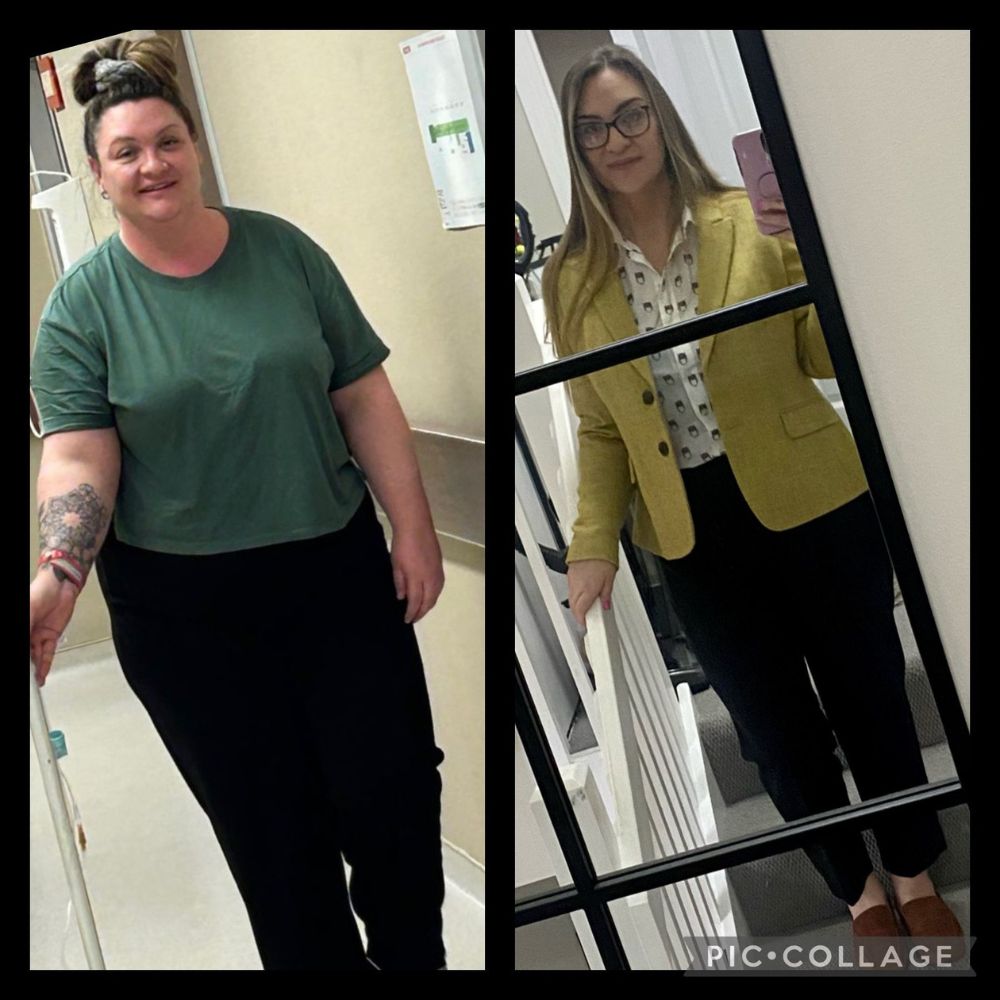
2025 Gastric Sleeve Prices

  • What is the hardest thing about gastric sleeve surgery?

The hardest part of the surgery is the incisions healing on your abdomen. But after a week or two, the pain is gone. I followed the diet schedule to a tee. The liquid diet didn't bother me because I was on track to get my life back…plus seeing the weight loss was a great encouragement.
 
  • Do scars from gastric sleeve go away?

While individual healing timelines may vary, most patients can expect significant improvement in scar appearance within the first year post-surgery. Embracing patience and practicing self-care are essential components of navigating the healing journey following bariatric surgery.
 
  • Has anyone not lost weight after gastric sleeve surgery?

Causes of weight regain after sleeve gastrectomy
 
Potential causes of weight regain or inadequate weight loss include large remnant stomach (pouch) size, gradual increase of remnant stomach volume, increased sweet consumption and portion size, emotional eating, and binge eating.
 
  • What happens 10 years after gastric sleeve?

10 Years After Gastric Sleeve: Long-Term Success
The 10-year outcome after gastric sleeve surgery tends to be good. Studies have found that most people are able to maintain an excess body mass loss of between 51% and 54% 10 years after surgery. 3 This means they lost around half of their extra weight and were able to keep it off for 10 years.
 
  • Can you still lose weight 5 years after gastric sleeve?

At 5 years after sleeve gastrectomy:
 
People had lost 16% of their body weight. 8% had lost 30% or more of their total body weight. About 10% had regained weight to within 5% of their pre-surgical weight.
 
  • What is the life expectancy of a person after gastric sleeve?

Their analyses found that a 45-year-old woman with T2D and a BMI of 45 kg/m2 gained an additional 6.7 years of life expectancy with metabolic and bariatric surgery (38.4 years with versus 31.7 years without surgery), but sensitivity analyses revealed that the gain in life expectancy decreased with increasing BMI ...
 
  • What are the downsides of gastric sleeves?

Longer term risks and complications of sleeve gastrectomy surgery can include:
  1. Gastrointestinal blockage.
  2. Hernias.
  3. Gastroesophageal reflux.
  4. Low blood sugar, known as hypoglycemia.
  5. Malnutrition.
  6. Vomiting.
  • Can your stomach grow back after gastric sleeve?

Will My Stomach Grow Back After Gastric Sleeve Surgery?
Your stomach will not grow back into its original size. However, what may happen is that the remaining portion of your stomach may stretch or expand, just like a balloon. With a smaller stomach size and capacity, patients who undergo gastric sleeve surgery are expected to feel fuller easily even while eating less food.
 
  • Will I ever feel hungry again after gastric sleeve?

As the metabolic effects of surgery lessen after several months, hunger does return for most people.
 
  • Can water stretch your stomach after gastric sleeve?

Drinking beverages during meals can cause the stomach to stretch and become overly full. To avoid this, it's best to drink liquids between meals or an hour before and after you eat. Contact Ascension Saint Agnes Hospital for gastric sleeve surgery in Baltimore.
 
  • Can a gastric sleeve reverse itself?

Is Gastric Sleeve Reversible? - Jet Medical Tourism®
Your surgeon will reshape the remainder stomach into a sleeve, akin to the shape and size of a banana. Because of these permanent characteristics of this sleeve procedure, your bariatric surgeon will be unable to reverse it at a later stage.
 
  • Does anyone regret getting a gastric sleeve?

Little data is available about post-surgical satisfaction regarding gastric sleeve, yet a study published in Obesity Surgery in 2021 indicates that generally, patients did not regret their decision to undergo surgery but had regrets that they did not have realistic expectations of gastric sleeve results.
 
  • Can you ever eat properly again after gastric sleeve?

After gastric sleeve surgery you'll pass through four stages of eating before resuming a normal nourishing diet. These stages will help you get all the nutrients you need for the wounds in your digestive system to heal and to recover from surgery. You'll spend a minimum of two weeks in each stage.
 
  • Can a gastric sleeve stop working?

The dramatic weight loss that's involved in gastric sleeve surgery may result in the body working on trying to maintain fat and energy stores. In the case of someone who has not adhered to the diet and exercise plan designed by their doctors, the weight loss plateau really is inevitable.
 
  • What can you never do after gastric sleeve?

Avoid the use of drinking straws, carbonated beverages, chewing gum and ice. They can introduce excess air into your surgically created pouch and cause discomfort. Avoid sugar, sugary foods and beverages, and fruit juices.
 
  • What I wish I knew before gastric sleeve surgery?

Here are some of the things that my clients wish they had known before weight loss surgery: They wished they had known that surgery was just a tool to aid weight loss. Surgery itself won't change your relationship with food and many were surprised that they still experienced cravings and urges to binge.
 
  • What happens to breasts after gastric sleeve?

After bariatric surgery, the breasts are often affected by a significant amount of sagging due to excess skin and fat left over from weight loss.
 
  • Does hunger hormone grow back after gastric sleeve?

It has been found that blood ghrelin levels decrease significantly after gastric sleeve, this decrease is presented from the first postoperative day and lasts for more than 24 months after surgery unlike patients operated from procedures such as gastric band which have increased ghrelin levels in the same periods of ...
 
  • Can you have a tummy tuck after gastric sleeve?

What is the Timeline for a Tummy Tuck after a Sleeve Gastrectomy? You have achieved the recommended weight loss. This usually occurs about 1 year after the initial surgery. Your BMI should also be below 32.
 
  • How much weight do you lose in 3 months after gastric sleeve?

Average Weight Loss 3 Months after Gastric Sleeve
 
On average, patients can expect to lose around 35-40% of their excess weight in the first 3 months.
 
  • What is one of the top 3 causes of death after bariatric surgery?

This study reported on 33 deaths from 4431 operations (0.7% mortality) and reported that 30% of the deaths were due to pulmonary embolism, 27% due to cardiac causes, and 21% due to anastomotic leak.
 
  • What don't they tell you about gastric sleeve surgery?

The surgery is on your stomach, not your head.
 
Food addiction doesn't go away overnight just because you're incapable of eating all of the things you want to eat. For me, it was almost like I didn't know who I was after I couldn't spend all day eating. I still spent all day thinking about eating, at first.
 
  • How to reset your stomach after gastric sleeve surgery?

5 day pouch reset diet looks as follows:
day 1 – clear liquids.
day 2 – full liquids.
day 3 – pureed food.
day 4 – soft food.
day 5 onwards – healthy diet.
 
  • Can I reverse gastric sleeve?

Unlike the adjustable gastric band and the gastric bypass, the sleeve gastrectomy is a permanent procedure – it cannot be reversed.
 
  • What is the regret rate for gastric sleeve patients?

Major surgical complications were not associated with increased decision regret. Only two out of 115 patients (1.7%) indicated absolute regret about their decision to undergo bariatric surgery, and 15% reported moderate‐to‐strong regret according to the results of the DRS.
 
Can you ever eat normally again after gastric sleeve?
You can usually start eating regular foods about 6 to 8 weeks after surgery. At each stage of the gastric bypass diet, you must be careful to: Drink 64 ounces of fluid a day, to avoid dehydration. Sip liquids between meals, not with meals.


Gastric sleeve: the scarless stomach reduct​ion

Gastric sleeve surgery is the surgical weight-loss procedure that has seen the most worldwide growth over the last five years. It reduces the stomach is reduced so that the patient feels full after eating small or moderate amounts of food, which enables weight loss.
 
The weight loss is due to two mechanisms: the restrictive mechanism reduces the stomach’s volume and capacity to hold food and patients eat less because they have a smaller appetite due to a hormonal mechanism. In this article below, highly distinguished general surgeon, Mr Parv Sains, provides more of a detailed insight into the surgery. 
 

Can gastric sleeve surgery be performed laparoscopically? 

Depending on the characteristics of each patient, the surgery can be performed through a conventional laparoscopy (keyhole operation) with five mini incisions or single-incision assisted laparoscopic surgery, which is carried out by making a single umbilical incision, leaving an almost unnoticeable scar. The operation takes about 60 minutes and because no joint or bypass is performed on the intestines, potential complications and risks are limited.
 

Who is this technique suitable for?

There are no absolute indications and each patient should be studied by a qualified professional who will establish the best surgical treatment to combat their obesity. Some clinics use the following guidelines for patients who are candidates for gastric sleeve surgery:
 
  • Patients older than 50 years and those who have a BMI (Body Mass Index) greater than 50kg/m2.
  • Patients between 20 and 50 years of age, with a BMI between 35 and 50kg/m2
  • Patients with conditions associated with obesity (diabetes, hypertension, increased cholesterol, heart or respiratory diseases).

What are the advantages of this technique?

You can eat anything in small amounts, five or six times a day, while preserving normal digestive functioning. Patients do not suffer from a loss of vitamin-retention function, as in other more aggressive surgical procedures, nor do they have bouts of diarrhoea. Because the surgery does not affect the small intestine, everything that is eaten is absorbed. Weight loss depends on each patient but is usually between 60-70% of the excess weight, much of which is lost during the first six to nine months. 
 

How should I prepare for gastric sleeve surgery?

If you are in good physical condition on the day of surgery, it will minimise the possibility of medical and surgical complications. Ideally, you need to lose around five kilos in the months prior to the surgery, with the help of diet and exercise. Patients want to be operated on because they have failed at almost all diets and have serious health problems. This last effort before surgery is the one that will guarantee the success and the weight lost will be gone forever.
 
After the operation, it is common for an obese patient who has undergone gastric sleeve surgery to have some discomfort but the recovery is usually rapid. Immediately after the operation, you are able to get out of bed, sit in a chair and even take small walks. Usually the patient can return home two days after the surgery. The return to a normal routine however, is not so immediate. For the first week after the operation you will only be able to drink fluids. For weeks two to four, you will only be able to eat purees. Then, soft foods will be gradually incorporated into your diet until you are finally able to eat solids.
 

2025 Gastric Sleeve Prices Turkey

2025 Gastric Sleeve Prices Turkey, 2025 Gastric Sleeve Prices Antalya, 2025 Gastric Sleeve Prices

Scarless gastric sleeve surgery, also known as endoscopic sleeve gastroplasty (ESG), is a revolutionary weight loss procedure that offers the benefits of traditional gastric sleeve surgery without visible scars.

This minimally invasive technique is performed using an endoscope, a flexible tube with a camera and suturing device, which is inserted through the mouth to reshape the stomach. By reducing the stomach's size, patients experience significant weight loss and improvements in obesity-related health conditions.


  • What is a scarless gastric sleeve?

Gastric Sleeve Without Scar – Turkey / Antalya – Cost £3,190
In a scarless gastric sleeve, the stomach is reduced in size by removing a large portion of the stomach to create a tubular structure. Unlike traditional open or laparoscopic surgeries that involve making multiple small incisions, the procedure is performed with just one small incision in the belly button area.
  • What is the hardest thing about gastric sleeve surgery?

The hardest part of the surgery is the incisions healing on your abdomen. But after a week or two, the pain is gone. I followed the diet schedule to a tee. The liquid diet didn't bother me because I was on track to get my life back…plus seeing the weight loss was a great encouragement.
 
  • Do scars from gastric sleeve go away?

While individual healing timelines may vary, most patients can expect significant improvement in scar appearance within the first year post-surgery. Embracing patience and practicing self-care are essential components of navigating the healing journey following bariatric surgery.
 
  • Has anyone not lost weight after gastric sleeve surgery?

Causes of weight regain after sleeve gastrectomy
 
Potential causes of weight regain or inadequate weight loss include large remnant stomach (pouch) size, gradual increase of remnant stomach volume, increased sweet consumption and portion size, emotional eating, and binge eating.
 
  • What happens 10 years after gastric sleeve?

10 Years After Gastric Sleeve: Long-Term Success
The 10-year outcome after gastric sleeve surgery tends to be good. Studies have found that most people are able to maintain an excess body mass loss of between 51% and 54% 10 years after surgery. 3 This means they lost around half of their extra weight and were able to keep it off for 10 years.
 
  • Can you still lose weight 5 years after gastric sleeve?

At 5 years after sleeve gastrectomy:
 
People had lost 16% of their body weight. 8% had lost 30% or more of their total body weight. About 10% had regained weight to within 5% of their pre-surgical weight.
 
  • What is the life expectancy of a person after gastric sleeve?

Their analyses found that a 45-year-old woman with T2D and a BMI of 45 kg/m2 gained an additional 6.7 years of life expectancy with metabolic and bariatric surgery (38.4 years with versus 31.7 years without surgery), but sensitivity analyses revealed that the gain in life expectancy decreased with increasing BMI ...
 
  • What are the downsides of gastric sleeves?

Longer term risks and complications of sleeve gastrectomy surgery can include:
  1. Gastrointestinal blockage.
  2. Hernias.
  3. Gastroesophageal reflux.
  4. Low blood sugar, known as hypoglycemia.
  5. Malnutrition.
  6. Vomiting.
  • Can your stomach grow back after gastric sleeve?

Will My Stomach Grow Back After Gastric Sleeve Surgery?
Your stomach will not grow back into its original size. However, what may happen is that the remaining portion of your stomach may stretch or expand, just like a balloon. With a smaller stomach size and capacity, patients who undergo gastric sleeve surgery are expected to feel fuller easily even while eating less food.
 
  • Will I ever feel hungry again after gastric sleeve?

As the metabolic effects of surgery lessen after several months, hunger does return for most people.
 
  • Can water stretch your stomach after gastric sleeve?

Drinking beverages during meals can cause the stomach to stretch and become overly full. To avoid this, it's best to drink liquids between meals or an hour before and after you eat. Contact Ascension Saint Agnes Hospital for gastric sleeve surgery in Baltimore.
 
  • Can a gastric sleeve reverse itself?

Is Gastric Sleeve Reversible? - Jet Medical Tourism®
Your surgeon will reshape the remainder stomach into a sleeve, akin to the shape and size of a banana. Because of these permanent characteristics of this sleeve procedure, your bariatric surgeon will be unable to reverse it at a later stage.
 
  • Does anyone regret getting a gastric sleeve?

Little data is available about post-surgical satisfaction regarding gastric sleeve, yet a study published in Obesity Surgery in 2021 indicates that generally, patients did not regret their decision to undergo surgery but had regrets that they did not have realistic expectations of gastric sleeve results.
 
  • Can you ever eat properly again after gastric sleeve?

After gastric sleeve surgery you'll pass through four stages of eating before resuming a normal nourishing diet. These stages will help you get all the nutrients you need for the wounds in your digestive system to heal and to recover from surgery. You'll spend a minimum of two weeks in each stage.
 
  • Can a gastric sleeve stop working?

The dramatic weight loss that's involved in gastric sleeve surgery may result in the body working on trying to maintain fat and energy stores. In the case of someone who has not adhered to the diet and exercise plan designed by their doctors, the weight loss plateau really is inevitable.
 
  • What can you never do after gastric sleeve?

Avoid the use of drinking straws, carbonated beverages, chewing gum and ice. They can introduce excess air into your surgically created pouch and cause discomfort. Avoid sugar, sugary foods and beverages, and fruit juices.
 
  • What I wish I knew before gastric sleeve surgery?

Here are some of the things that my clients wish they had known before weight loss surgery: They wished they had known that surgery was just a tool to aid weight loss. Surgery itself won't change your relationship with food and many were surprised that they still experienced cravings and urges to binge.
 
  • What happens to breasts after gastric sleeve?

After bariatric surgery, the breasts are often affected by a significant amount of sagging due to excess skin and fat left over from weight loss.
 
  • Does hunger hormone grow back after gastric sleeve?

It has been found that blood ghrelin levels decrease significantly after gastric sleeve, this decrease is presented from the first postoperative day and lasts for more than 24 months after surgery unlike patients operated from procedures such as gastric band which have increased ghrelin levels in the same periods of ...
 
  • Can you have a tummy tuck after gastric sleeve?

What is the Timeline for a Tummy Tuck after a Sleeve Gastrectomy? You have achieved the recommended weight loss. This usually occurs about 1 year after the initial surgery. Your BMI should also be below 32.
 
  • How much weight do you lose in 3 months after gastric sleeve?

Average Weight Loss 3 Months after Gastric Sleeve
 
On average, patients can expect to lose around 35-40% of their excess weight in the first 3 months.
 
  • What is one of the top 3 causes of death after bariatric surgery?

This study reported on 33 deaths from 4431 operations (0.7% mortality) and reported that 30% of the deaths were due to pulmonary embolism, 27% due to cardiac causes, and 21% due to anastomotic leak.
 
  • What don't they tell you about gastric sleeve surgery?

The surgery is on your stomach, not your head.
 
Food addiction doesn't go away overnight just because you're incapable of eating all of the things you want to eat. For me, it was almost like I didn't know who I was after I couldn't spend all day eating. I still spent all day thinking about eating, at first.
 
  • How to reset your stomach after gastric sleeve surgery?

5 day pouch reset diet looks as follows:
day 1 – clear liquids.
day 2 – full liquids.
day 3 – pureed food.
day 4 – soft food.
day 5 onwards – healthy diet.
 
  • Can I reverse gastric sleeve?

Unlike the adjustable gastric band and the gastric bypass, the sleeve gastrectomy is a permanent procedure – it cannot be reversed.
 
  • What is the regret rate for gastric sleeve patients?

Major surgical complications were not associated with increased decision regret. Only two out of 115 patients (1.7%) indicated absolute regret about their decision to undergo bariatric surgery, and 15% reported moderate‐to‐strong regret according to the results of the DRS.
 
Can you ever eat normally again after gastric sleeve?
You can usually start eating regular foods about 6 to 8 weeks after surgery. At each stage of the gastric bypass diet, you must be careful to: Drink 64 ounces of fluid a day, to avoid dehydration. Sip liquids between meals, not with meals.


Gastric sleeve: the scarless stomach reduct​ion

Gastric sleeve surgery is the surgical weight-loss procedure that has seen the most worldwide growth over the last five years. It reduces the stomach is reduced so that the patient feels full after eating small or moderate amounts of food, which enables weight loss.
 
The weight loss is due to two mechanisms: the restrictive mechanism reduces the stomach’s volume and capacity to hold food and patients eat less because they have a smaller appetite due to a hormonal mechanism. In this article below, highly distinguished general surgeon, Mr Parv Sains, provides more of a detailed insight into the surgery. 
 

Can gastric sleeve surgery be performed laparoscopically? 

Depending on the characteristics of each patient, the surgery can be performed through a conventional laparoscopy (keyhole operation) with five mini incisions or single-incision assisted laparoscopic surgery, which is carried out by making a single umbilical incision, leaving an almost unnoticeable scar. The operation takes about 60 minutes and because no joint or bypass is performed on the intestines, potential complications and risks are limited.
 

Who is this technique suitable for?

There are no absolute indications and each patient should be studied by a qualified professional who will establish the best surgical treatment to combat their obesity. Some clinics use the following guidelines for patients who are candidates for gastric sleeve surgery:
 
  • Patients older than 50 years and those who have a BMI (Body Mass Index) greater than 50kg/m2.
  • Patients between 20 and 50 years of age, with a BMI between 35 and 50kg/m2
  • Patients with conditions associated with obesity (diabetes, hypertension, increased cholesterol, heart or respiratory diseases).

What are the advantages of this technique?

You can eat anything in small amounts, five or six times a day, while preserving normal digestive functioning. Patients do not suffer from a loss of vitamin-retention function, as in other more aggressive surgical procedures, nor do they have bouts of diarrhoea. Because the surgery does not affect the small intestine, everything that is eaten is absorbed. Weight loss depends on each patient but is usually between 60-70% of the excess weight, much of which is lost during the first six to nine months. 
 

How should I prepare for gastric sleeve surgery?

If you are in good physical condition on the day of surgery, it will minimise the possibility of medical and surgical complications. Ideally, you need to lose around five kilos in the months prior to the surgery, with the help of diet and exercise. Patients want to be operated on because they have failed at almost all diets and have serious health problems. This last effort before surgery is the one that will guarantee the success and the weight lost will be gone forever.
 
After the operation, it is common for an obese patient who has undergone gastric sleeve surgery to have some discomfort but the recovery is usually rapid. Immediately after the operation, you are able to get out of bed, sit in a chair and even take small walks. Usually the patient can return home two days after the surgery. The return to a normal routine however, is not so immediate. For the first week after the operation you will only be able to drink fluids. For weeks two to four, you will only be able to eat purees. Then, soft foods will be gradually incorporated into your diet until you are finally able to eat solids.
 

Bridge Health Travel | Aesthetic Travel Turkey, Gastric Sleeve in Antalya


Gastric Sleeve in Turkey with Dr. Murat Kağan Bilge | Bridge Health Travel

Education and Expertise
SBU Antalya Training and Research Hospital, Antalya, Specialization, (2014 - 2019)
Istanbul University Istanbul Faculty of Medicine, Istanbul, Education, (2006 - 2013)
Medical Interests
  • Obesity Surgery
  • Gastric Balloon and Botox
  • Laparoscopic Surgery
  • Minimally Invasive Surgery
  • Gallbladder Diseases
  • Breast Surgery
  • Thyroid Surgery
  • Closed and Open Hernia (Hernia) Surgery
  • Anal Region Diseases (Ingrown Hair, Laser Hemorrhoids)
  • Colon and Rectum Surgery
  • Local Interventions (Nevus, Sebaceous Glands and Cysts)
Tasks
Mediterranean Health Foundation (ASV) Yaşam Hospital, Antalya (2022 - Present)
Demre State Hospital, Antalya, (2020 - 2021)
Foreign language: English
Would you like to take a look at the frequently asked questions by our patients?
Questions from our customers

Frequently Asked Questions by Antalya

Welcome to BridgeHealthTravel, where we specialize in providing top-quality healthcare and wellness travel services to clients from all over the world. Here are some of the most common questions we receive from our valued customers
 

At BridgeHealthTravel, we are committed to providing the highest level of service and care to our clients. Contact us today to learn more about how we can help you achieve your healthcare and wellness goals.

WHAT HAPPENS WHEN I ARRIVE IN TURKEY?
It is ideal if patients arrive in Turkey on a and stay for the first night in a hotel. This will allow you to have time to relax following your journey and allow us to clarify or explain any organizational issues. One of our representatives will collect you from the hotel the next day to take you to the hospital, you will then undergo pre-operative tests and have a consultation with your surgeon. Usually the procedure will take place the following morning, and you will be allowed home after three days if no problems or complications have arisen.
 

IS TURKEY A SAFE PLACE TO UNDERGO SURGERY?

Bariatric surgery is safe in Turkey. Surgical equipment is modern & contemporary. Medicines used are the same as those used in England, Sweden & Norway. Surgical procedures are much cheaper in cost in Turkey. Medicinal standards are high in Turkey and abide by EU standards. We can reassure and testify that bariatric surgery in Turkey is as safe as in any other. Western European country, this includes places such as England, Sweden and Norway. Diagnostic equipment, surgical techniques and the medicines we use are the same. Surgical intervention in Turkey is cheaper than other European countries because they are highly taxed, this is the major difference.
 

BARIATRIC SURGERY, DOES IT ACTUALLY WORK?

Our most commonly asked question! Research and practice show that bariatric surgery is an effective and efficient procedure for those severely obese people who need to lose weight. If the instructions and advice given by the surgeon are followed meticulously excellent results will be achieved and maintained.
 

WHAT CAN I HOPE TO ACHIEVE?

The amount of weight you may lose depends on your starting weight prior to surgery. A very important factor is diet and exercise following surgery, this can have a major impact on your overall weight loss. On average however, within a year, you can expect to lose approximately 60-70% in excess weight.
 

WHAT IS THE RECOVERY TIME FOLLOWING SURGERY?

Some of our patients feel well enough to return to work after just one week, however in general the post operative recovery time takes approximately 6 weeks. You may feel tired and lethargic for several months, this is not uncommon, but it is important that light exercise is undertaken as soon as possible once you return home.
 
WILL MY EXCESS WEIGHT RETURN?
In theory, yes, there is the possibility that you may gain weight again. You can still overeat to such a degree that the stomach will stretch to accommodate the extra food. However is it tremendously important to maintain a healthy lifestyle with regular exercise, a diet rich in fruit and vegetables, whilst avoiding refined sugars, animal fat and processed foods. Try to eat small portions and chew food slowly. Those people who follow these rules will never be overweight again.
 

IS THERE ANY FOLLOW-UP CARE ONCE I RETURN HOME?

Our aim at is to ensure that every aspect of you treatment, before, during and after your surgery is handled with the upmost care and attention. We offer a 5 years follow up where we are available to answer your questions by phone and email for 5 years after your procedure.