RNY reversal is the process of undoing the Roux-en-Y gastric bypass. Although rare, reversals are sometimes necessary due to complications such as malnutrition, severe dumping syndrome, or other medical issues.
The death rate for gastric sleeve surgery is extremely low, with rates similar to those in Western countries. With advancements in laparoscopic surgery and highly trained bariatric surgeons, the mortality rate is estimated to be less than 0.1%. Most complications are manageable and arise from issues such as leaks or infections.
Non-surgical gastric sleeve alternatives, like Endoscopic Sleeve Gastroplasty (ESG), are gaining popularity in Turkey. ESG is a minimally invasive procedure where a doctor uses an endoscope to place sutures in the stomach, reducing its size without surgery. This procedure has a quicker recovery time and fewer risks compared to traditional surgery, making it an attractive option for those unable to undergo more invasive procedures.
The safest form of weight-loss surgery is typically considered to be gastric sleeve surgery due to its relatively simple procedure and lower risk of complications. However, the choice of surgery should be tailored to the patients health needs and obesity level, as procedures like gastric bypass may be more effective for certain patients.
The cost of a gastric sleeve generally ranges from £2,500 to £4,500, depending on the clinic and any additional services included. This price is considerably lower than in the UK, US, or Europe, making Turkey a top choice for medical tourists.
Obesity surgery encompasses various procedures designed to help patients lose weight and manage obesity-related health conditions. These include gastric sleeve, bypass, and non-surgical options like the intragastric balloon. Turkey is one of the most popular destinations for these surgeries, attracting patients from all over the world.
Gastric surgeries , including gastric sleeve and bypass, are highly sought after due to the countrys reputation for excellence in bariatric care. Turkish surgeons are well-trained, and the hospitals are equipped with modern medical technology, providing a high standard of care at a lower cost compared to the UK or US.
Weight-loss injections like Saxenda or Wegovy are available as part of weight management programs. These injections help control appetite and promote weight loss by regulating hunger hormones. They are often prescribed to patients with obesity or related health conditions who have not been successful with diet and exercise alone.
Unlike some bariatric procedures, the gastric sleeve is considered irreversible because a large portion of the stomach is permanently removed. While Turkey offers various bariatric revision surgeries, reversing a sleeve gastrectomy is not an option. However, other procedures, such as converting a sleeve into a gastric bypass, are available if patients experience complications or insufficient weight loss.
In Turkey, abdominal surgeries that might require a hospital stay of 10 days include more invasive procedures like colon surgeries, cancer resections, or major hernia repairs. Extended hospital stays are often recommended to ensure proper healing and to monitor for any postoperative complications such as infections or digestive issues.
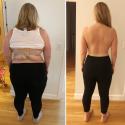
Patients who undergo sleeve gastrectomy often share impressive before-and-after photos that showcase significant weight loss. Most patients lose 60-70% of their excess body weight within the first year after surgery. Turkey is well-known for delivering high-quality results at a fraction of the cost found in the UK, US, or other Western countries, making it a popular choice for those considering the surgery.
Most abdominal surgeries , including complex procedures like bowel resections or liver surgeries, may require extended hospital stays of up to two weeks. The length of stay depends on the type of surgery, the patients recovery progress, and whether there are any complications. Bariatric surgeries, however, usually require a hospital stay of only 1-4 days.