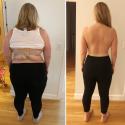
Traditional Liposuction is a surgical procedure that uses a suction technique to remove fat from specific areas of the body, such as the abdomen, hips, thighs, buttocks, arms or neck. Liposuction also shapes (contours) these areas. Other names for liposuction include lipoplasty and body contouring.
Liposuction isn't typically considered an overall weight-loss method or a weight-loss alternative. If you're overweight, you're likely to lose more weight through diet and exercise or through bariatric procedures — such as gastric bypass surgery — than you would with liposuction.
You may be a candidate for liposuction if you have too much body fat in specific spots but otherwise have a stable body weight.
Why Traditional Liposuction done in Turkey - Istanbul Traditional Liposuction Clinic
Liposuction is used to remove fat from areas of the body that haven't responded to diet and exercise, such as the:
- Abdomen
- Upper arms
- Buttocks
- Calves and ankles
- Chest and back
- Hips and thighs
- Chin and neck
In addition, liposuction can sometimes be used for breast reduction or treatment of gynecomastia.
When you gain weight, fat cells increase in size and volume. In turn, liposuction reduces the number of fat cells in a specific area. The amount of fat removed depends on the appearance of the area and the volume of fat. The resulting contour changes are generally permanent — as long as your weight remains stable.
After liposuction, the skin molds itself to the new contours of the treated areas. If you have good skin tone and elasticity, the skin is likely to appear smooth. If your skin is thin with poor elasticity, however, the skin in the treated areas may appear loose.
Liposuction doesn't improve cellulite dimpling or other skin surface irregularities. Likewise, liposuction doesn't remove stretch marks.
To be a candidate for liposuction, you must be in good health without conditions that could complicate surgery — such as restricted blood flow, coronary artery disease, diabetes or a weak immune system.
Traditional Liposuction Risks
As with any major surgery, liposuction carries risks, such as bleeding and a reaction to anesthesia. Possible complications specific to liposuction include:
Contour irregularities. Your skin may appear bumpy, wavy or withered due to uneven fat removal, poor skin elasticity and unusual healing. These changes may be permanent. Damage beneath the skin from the thin tube (cannula) that's used during liposuction may give the skin a permanent spotted appearance.
Fluid accumulation. Temporary pockets of fluid (seromas) can form under the skin. This fluid may need to be drained with a needle.
Numbness. You may feel temporary or permanent numbness in the affected area. Temporary nerve irritation also is possible.
Infection. Skin infections are rare but possible. A severe skin infection may be life-threatening.
Internal puncture. Rarely, a cannula that penetrates too deeply may puncture an internal organ. This may require emergency surgical repair.
Fat embolism. Pieces of loosened fat may break away and become trapped in a blood vessel and gather in the lungs or travel to the brain. A fat embolism is a medical emergency.
Kidney and heart problems. Shifts in fluid levels as fluids are being injected and suctioned out can cause potentially life-threatening kidney, heart and lung problems.
Lidocaine toxicity. Lidocaine is an anesthetic often administered with fluids injected during liposuction to help manage pain. Although generally safe, in rare circumstances, lidocaine toxicity can occur, causing serious heart and central nervous system problems.
The risk of complications increases if the surgeon is working on larger surfaces of your body or doing multiple procedures during the same operation. Talk to your surgeon about how these risks apply to you.
What is the Difference Between Vaser Liposuction and Traditional Liposuction?
Traditional liposuction is an attempt to remove the persistent regional fat deposits and to reduce body size. And vaser liposuction is a procedure which is used to change the contours and shape of the body. In this method, the excess fat is taken from the desired area and transferred over needed areas. Thus, natural and muscular body form is created.
This technique is usually applied in the abdomen, groin, back and waist areas, shoulder, arms, and legs. The desired structure and muscle shadows are different for male and female bodies. The muscular appearance in the chest area is prominent in men, while the butt is more prominent in women. Planning is done in accordance with the body form and the projections of the muscles present in the person.
The most important feature of male vaser liposuction body shaping is the revealing of the six-pack appearance in the abdominal area. The muscular athletic appearence of men is especially evident by the presence of abdominal, chest, shoulder and waist muscles.
- After the procedure
Expect some pain, swelling and bruising after the procedure. Your surgeon may prescribe medication to help control the pain and antibiotics to reduce the risk of infection.
After the procedure, the surgeon may leave your incisions open and place temporary drains to promote fluid drainage. You usually need to wear tight compression garments, which help reduce swelling, for a few weeks.
You may need to wait a few days before returning to work and a few weeks before resuming your normal activities — including exercise.
During this time, expect some contour irregularities as the remaining fat settles into position.
- Traditional Liposuction Results
After liposuction, swelling typically subsides within a few weeks. By this time, the treated area should look less bulky. Within several months, expect the treated area to have a leaner appearance.
It's natural for skin to lose some firmness with aging, but liposuction results are generally long lasting as long as you maintain your weight. If you gain weight after liposuction, your fat distribution may change. For example, you may accumulate fat around your abdomen regardless of what areas were originally treated.
- Ultrasonic liposuction vs traditional liposuction
Liposuction is one of the most popular surgeries in the United States and has helped millions of patients improve their initial shape or achieve their ideal look. People often consider liposuction when they're unable to lose weight in certain areas of their body and decide to have their fat surgically removed. The best candidates for liposuction are those who are 20-30 lbs near their ideal weight, because liposuction helps target and eliminate troubling fat in accumulative areas. However, it should be noted that liposuction is not a means of drastic weight loss, as the procedure is meant to contour the body. Liposuction is helpful in achieving a healthy look, but is recommended only when the recipient is in fairly good physical condition.
Two common procedures that surgeons use when targeting these areas are ultrasonic liposuction and tumescent liposuction.
- Ultrasonic liposuction
Ultrasonic liposuction uses ultrasonic waves to liquefy fat in the patient's target area, later to be sucked out by a cannula, or a thin type of medical vacuum. This form of assisted liposuction is typically used for stubborn areas within the patient, such as the knees, neck, chin, feet and ankles.
There are two different types of ultrasonic liposuction: internal ultrasonic liposuction and external ultrasonic liposuction.
Internal ultrasonic liposuction is a procedure in which the surgeon inserts a probe into the patient. The probe emits sonic vibrations, which break up fat in problem areas.
External ultrasonic liposuction employs a paddle-like tool to emit sonic vibrations outside the body and through the skin. This way, fat is eliminated without incisions. However, the vibrations involved in this type of surgery can potentially disrupt the patient's nervous system in the targeted area and result in a loss of feeling. Through the external use of sonic waves, this can also result in bruising and skin necrosis. It is best to consult with your doctor to decide which method is most beneficial to you.
- Tumescent liposuction
Rather than using energy to break down fat cells, tumescent liposuction injects a solution that hydrates the fat within a patient's body so it is easily extracted. Like ultrasonic liposuction, tumescent liposuction has two techniques that are common among surgeons: wet and super wet.
In both wet and super wet procedures, the surgeon injects a fat-hydrating solution, making it easier to remove from the patient's target area. This injection makes it less likely for the patient to bleed, and also diminishes the chances of complications during surgery, due to the solution's intrinsic quality to constrict capillaries. As an added benefit, this procedure results in minimal bruising.
While both surgeries run the risk of various complications, the results can be life-changing for the better. With proper preparation and the help of a capable surgeon, patients can eliminate their most stubborn fat and contour their body in a way that can transform the entirety of their look in a positive way. Patients should consult their doctor about any allergies they may have and prepare for a brief recovery period, typically a few days.